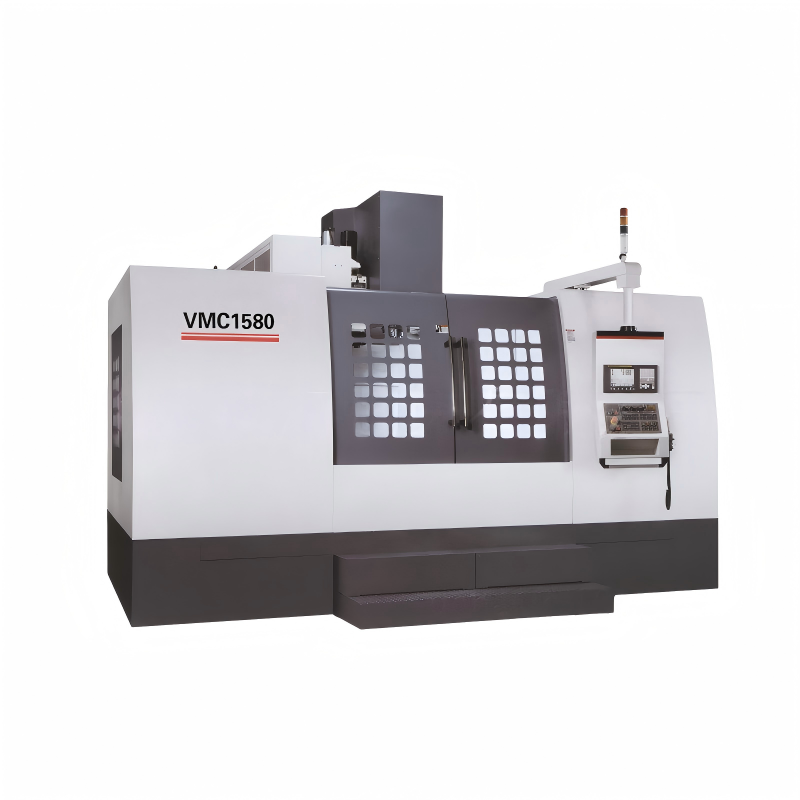
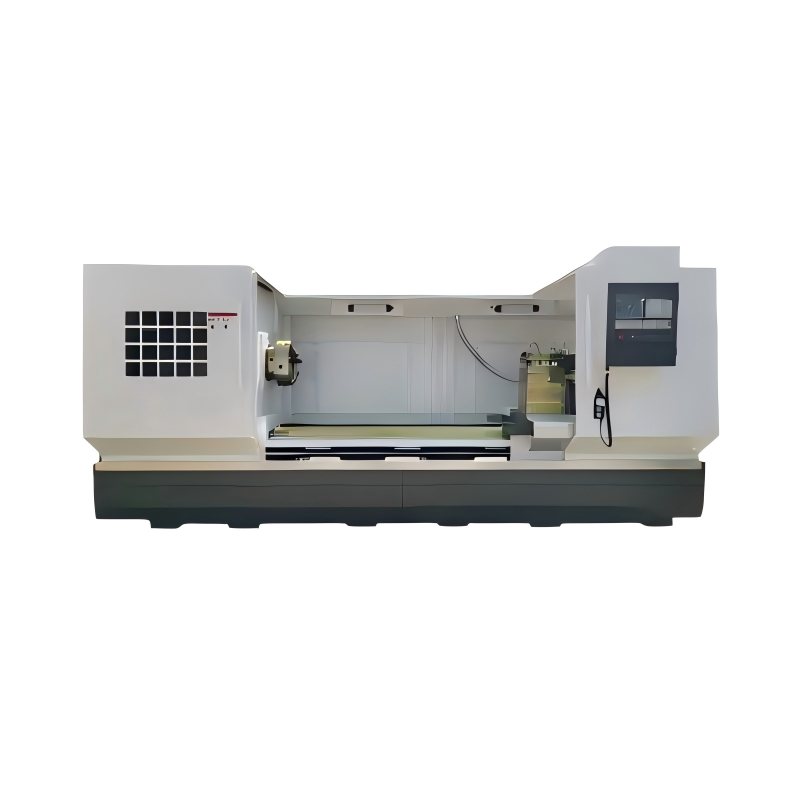
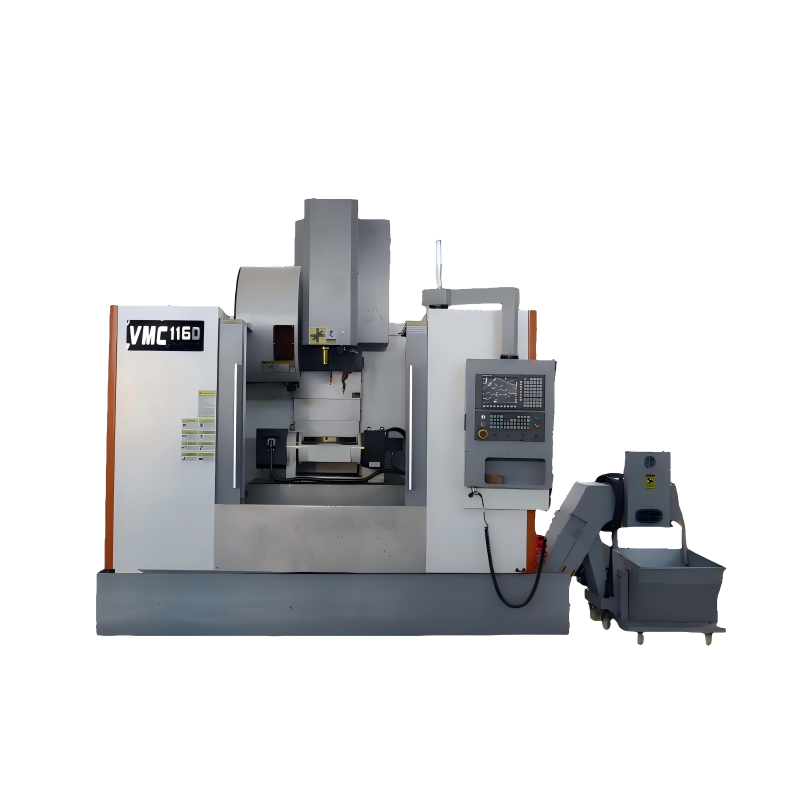
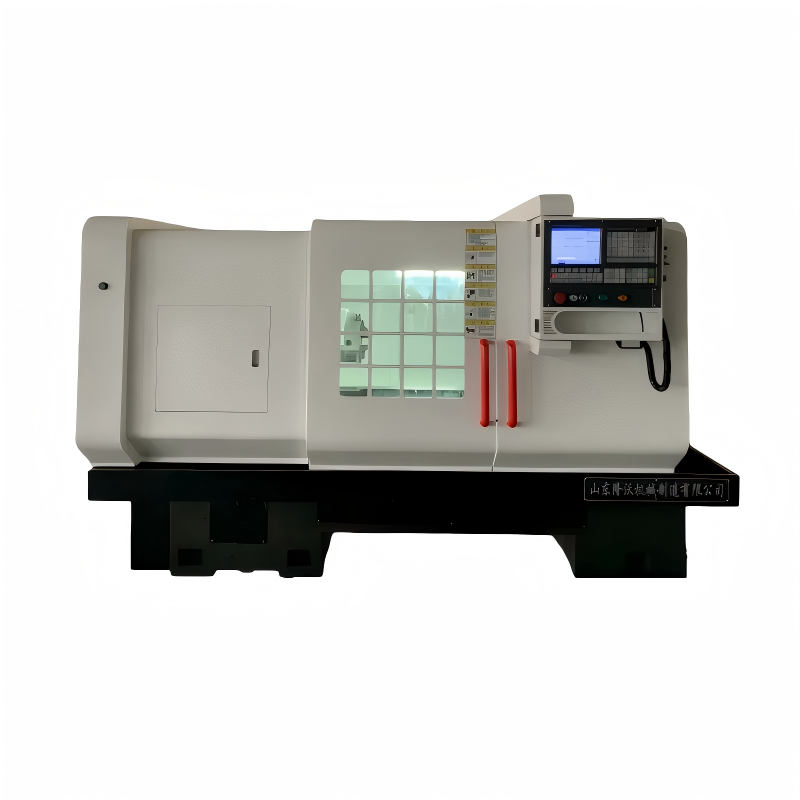
In the realm of precision engineering, the production of long shafts with deep holes is a critical process that demands high accuracy and efficiency. The use of Deep hole machining CNC lathe for long shafts has become an indispensable tool in this field, offering unparalleled advantages over traditional methods. This report delves into the role of CNC Lathes in the production of such components, highlighting key benefits and advancements.
One of the most significant advantages of using CNC lathes for the production of long shafts with deep holes is the level of precision they can achieve. Traditional machining methods often struggle to maintain consistent tolerances over extended lengths, leading to potential defects and increased scrap rates. In contrast, CNC lathes are equipped with advanced control systems that allow for precise and repeatable operations. These machines can execute complex multi-axis movements, ensuring that even the deepest holes are drilled with the utmost accuracy. The result is a higher quality product with fewer defects, which is crucial in industries where safety and reliability are paramount.
Another major benefit of utilizing Deep hole machining CNC lathe for long shafts is the significant enhancement in efficiency and productivity. These machines are designed to operate continuously with minimal downtime, thanks to their robust construction and advanced automation features. Automated tool changers, for instance, enable the machine to switch between different cutting tools without human intervention, reducing setup times and increasing throughput. Additionally, CNC lathes can be programmed to perform multiple operations in a single setup, further streamlining the production process. This not only reduces the overall manufacturing time but also minimizes the risk of errors, as the entire process is controlled by the machine's software.
CNC lathes offer a high degree of flexibility and versatility, making them suitable for a wide range of applications in the production of long shafts with deep holes. These machines can be easily reprogrammed to accommodate different part geometries and specifications, allowing manufacturers to quickly adapt to changing market demands. For example, if a new design requires a different hole diameter or depth, the CNC lathe can be reprogrammed to meet these requirements without the need for extensive retooling. This flexibility is particularly valuable in industries such as aerospace, automotive, and energy, where innovation and customization are key drivers of success. Moreover, the ability to integrate additional features, such as live tooling and Y-axis capabilities, further expands the range of operations that can be performed on a single machine, enhancing its overall utility.
The use of Deep hole machining CNC lathe for long shafts also enables the processing of advanced materials, which are increasingly being used in modern engineering applications. Materials such as titanium, stainless steel, and high-strength alloys are known for their exceptional mechanical properties, but they can be challenging to machine due to their hardness and heat resistance. CNC lathes, equipped with high-speed spindles and specialized cutting tools, can effectively handle these materials, ensuring that the final product meets the required specifications. Additionally, advanced cutting techniques, such as through-spindle coolant delivery and high-pressure coolant systems, help to dissipate heat and remove chips, extending tool life and improving surface finish. This capability is particularly important in the production of long shafts with deep holes, where the integrity of the material and the quality of the internal surfaces are critical factors.
As the manufacturing industry continues to evolve, the integration of CNC lathes with Industry 4.0 and smart manufacturing technologies is becoming increasingly important. Modern CNC lathes are designed to be connected to the internet, enabling real-time monitoring and data collection. This connectivity allows for the implementation of predictive maintenance, where the machine's performance is continuously analyzed to detect potential issues before they lead to downtime. Furthermore, the data collected from CNC lathes can be used to optimize the production process, identify areas for improvement, and enhance overall operational efficiency. By leveraging these advanced technologies, manufacturers can achieve higher levels of productivity, reduce costs, and improve the quality of the long shafts with deep holes they produce.
In conclusion, the role of Deep hole machining CNC lathe for long shafts in the production of long shafts with deep holes is multifaceted and highly beneficial. These machines offer unparalleled precision, enhanced efficiency, and flexibility, making them an essential tool in modern manufacturing. As the industry continues to advance, the integration of CNC lathes with smart manufacturing technologies will further solidify their position as a cornerstone of precision engineering.
 16/06/2026
In the realm of precision engineering, the ability to efficiently and accurately machine deep holes in long shafts is a critical skill. This process, often carried out using Deep hole machining CNC lathe for long shafts, presents unique challenges that re
Read More15/06/2026In the realm of precision engineering, advancements in CNC (Computer Numerical Control) lathe technologies have significantly transformed the manufacturing landscape, particularly when it comes to the production of long shafts. This report delves into the
Read More15/06/2026Introduction to Deep Hole Machining for Long Shafts Deep hole machining is a critical process in the manufacturing of precision long shafts, especially those used in industries such as aerospace, automotive, and energy. This technique involves drilling ho
Read MoreOur professional sales team is always ready to assist you.