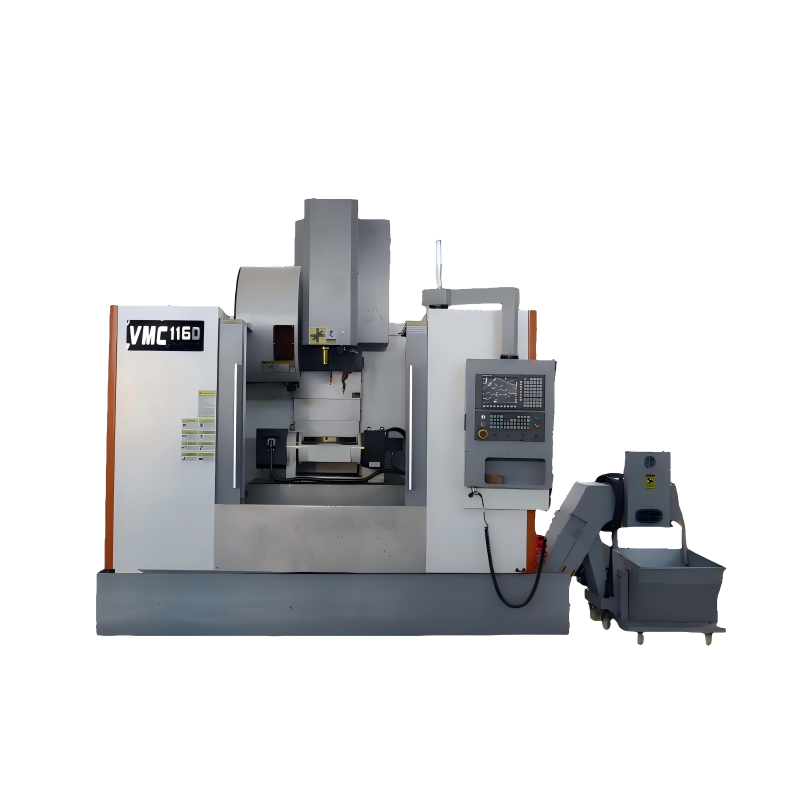
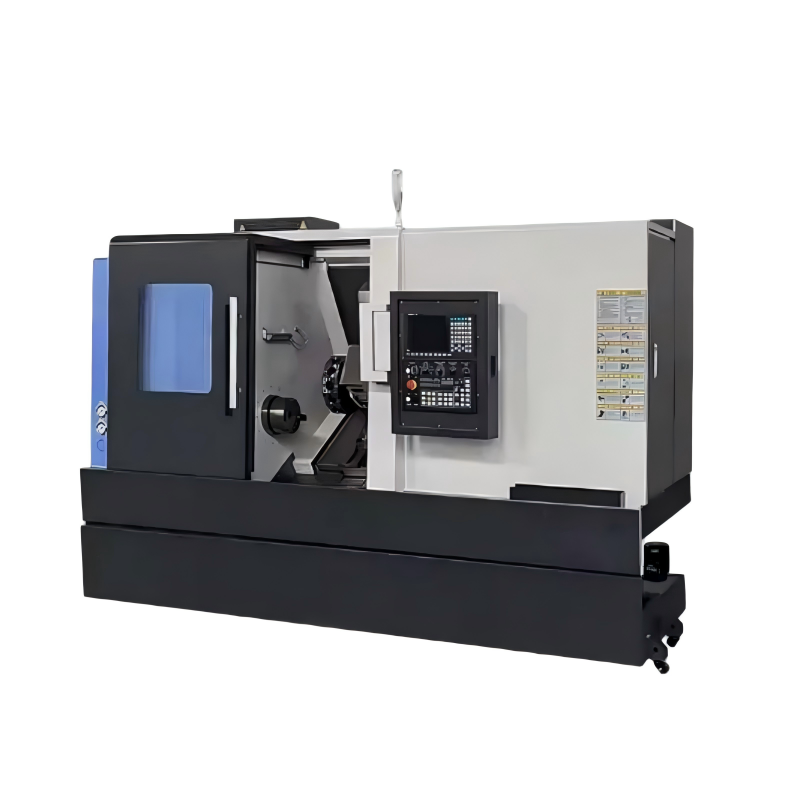
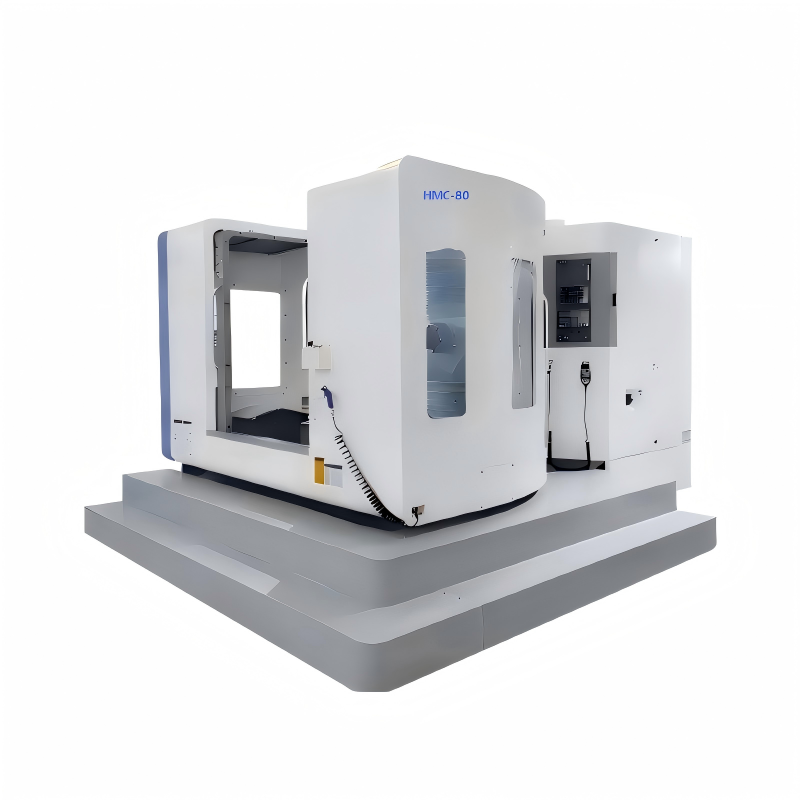
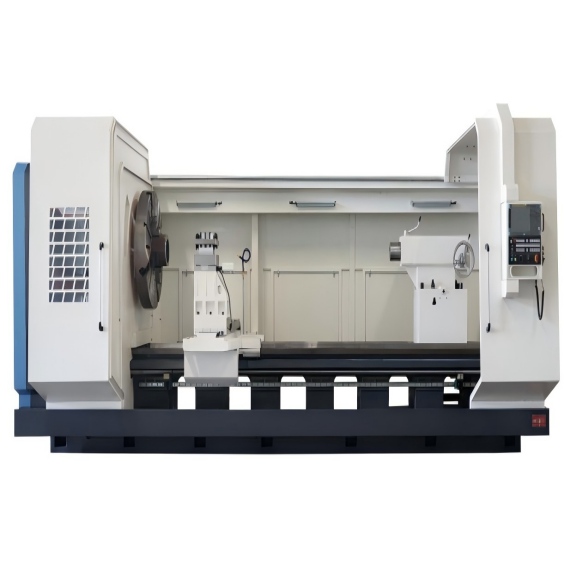
The manufacturing industry is continuously evolving, with a growing emphasis on sustainability. One of the key technologies that are playing a crucial role in this transformation is the high-speed vertical Machining Center. This advanced machine tool not only enhances production efficiency but also contributes significantly to sustainable manufacturing practices. In this report, we will explore how high-speed Vertical Machining Centers (HVMCs) are enabling manufacturers to achieve their sustainability goals while maintaining high levels of productivity and quality.
High-speed vertical machining centers are designed to deliver exceptional performance, precision, and speed. These machines utilize advanced control systems, high-speed spindles, and rapid traverse rates, which significantly reduce cycle times. The ability to process materials at higher speeds and with greater accuracy means that HVMCs can complete tasks in a fraction of the time compared to traditional machining methods. This increase in efficiency directly translates to lower energy consumption per unit produced, thereby reducing the overall carbon footprint of the manufacturing process.
Moreover, the integration of automation and smart technologies in HVMCs further enhances their operational efficiency. Automated tool changers, robotic loading and unloading systems, and real-time monitoring capabilities allow for continuous operation with minimal downtime. This not only boosts productivity but also ensures that resources are used optimally, contributing to a more sustainable manufacturing environment.
One of the significant advantages of using high-speed vertical machining centers is their ability to minimize material waste. The precision and accuracy of these machines enable manufacturers to achieve tighter tolerances and better surface finishes, which reduces the need for secondary operations and rework. By minimizing scrap and rework, HVMCs help conserve raw materials and reduce the environmental impact associated with material extraction and processing.
Additionally, HVMCs often come equipped with features such as chip management systems and coolant recycling units. These systems ensure that metal chips and coolant are efficiently managed and recycled, reducing waste and the need for new resources. The use of environmentally friendly coolants and lubricants further supports sustainable manufacturing by minimizing the release of harmful substances into the environment.
High-speed vertical machining centers are engineered to be energy-efficient, which is a critical factor in achieving sustainable manufacturing. Modern HVMCs are designed with energy-saving features such as variable frequency drives (VFDs) for spindle motors, regenerative braking systems, and optimized power management. These features help reduce energy consumption during both active and idle periods, leading to significant cost savings and a reduced carbon footprint.
Furthermore, the compact design and modular construction of HVMCs contribute to their energy efficiency. Smaller footprints mean less space is required for installation, which can lead to more efficient factory layouts and reduced heating and cooling costs. The modular design also allows for easier maintenance and upgrades, extending the lifespan of the machine and reducing the need for frequent replacements, which can have a substantial environmental impact.
High-speed vertical machining centers are not just standalone machines; they are integral components of a broader sustainable manufacturing strategy. When integrated with other green technologies and practices, such as renewable energy sources, lean manufacturing principles, and circular economy models, HVMCs can play a pivotal role in creating a more sustainable and resilient manufacturing ecosystem.
For example, manufacturers can use HVMCs in conjunction with solar or wind energy to power their operations, further reducing their reliance on fossil fuels. Additionally, the data collected from HVMCs can be used to optimize production processes, identify areas for improvement, and implement lean manufacturing techniques that minimize waste and maximize resource utilization. By adopting a holistic approach to sustainability, manufacturers can leverage the full potential of HVMCs to drive positive environmental and economic outcomes.
In conclusion, high-speed vertical machining centers are indispensable tools for achieving sustainable manufacturing. Their advanced technology, precision, and energy efficiency make them ideal for reducing material waste, conserving resources, and minimizing environmental impact. By integrating HVMCs with other sustainable practices, manufacturers can create a more efficient, eco-friendly, and economically viable production environment. As the manufacturing industry continues to evolve, the role of high-speed vertical machining centers in promoting sustainability will only become more significant.
 29/06/2026
Introduction to High-Speed Vertical Machining Centers A high-speed vertical machining center is a critical tool in modern manufacturing, designed to deliver both precision and efficiency. These machines are capable of performing complex operations at high
Read More28/06/2026In the rapidly evolving landscape of manufacturing, the integration of high-speed vertical machining centers (HVMCs) has emerged as a pivotal force, particularly within the automotive industry. This technological advancement is not only enhancing producti
Read More27/06/2026IntroductionThe high-speed vertical machining center (HVMC) has emerged as a critical tool in the aerospace industry, offering unparalleled precision and efficiency in manufacturing complex components. This report delves into the capabilities of HVMCs, hi
Read More26/06/2026In the ever-evolving landscape of precision engineering, high-speed vertical machining centers (VMCs) have emerged as a pivotal technology. These advanced machines are not only redefining the boundaries of manufacturing efficiency but also setting new sta
Read More25/06/2026In the realm of modern manufacturing, advancements in technology have consistently pushed the boundaries of efficiency and precision. Among these innovations, the high-speed vertical machining center has emerged as a pivotal tool, transforming traditional
Read MoreOur professional sales team is always ready to assist you.