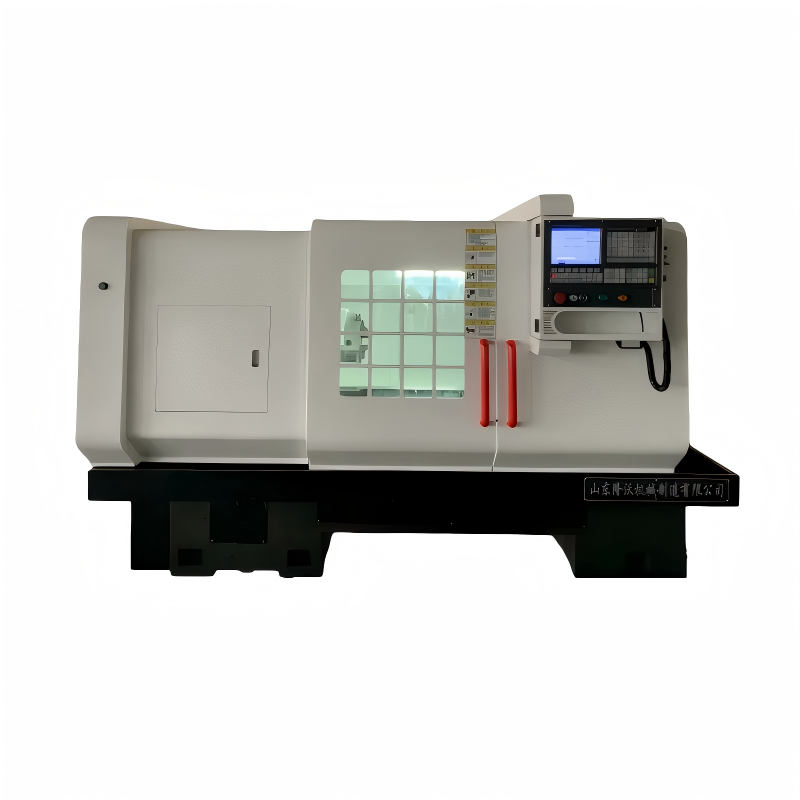
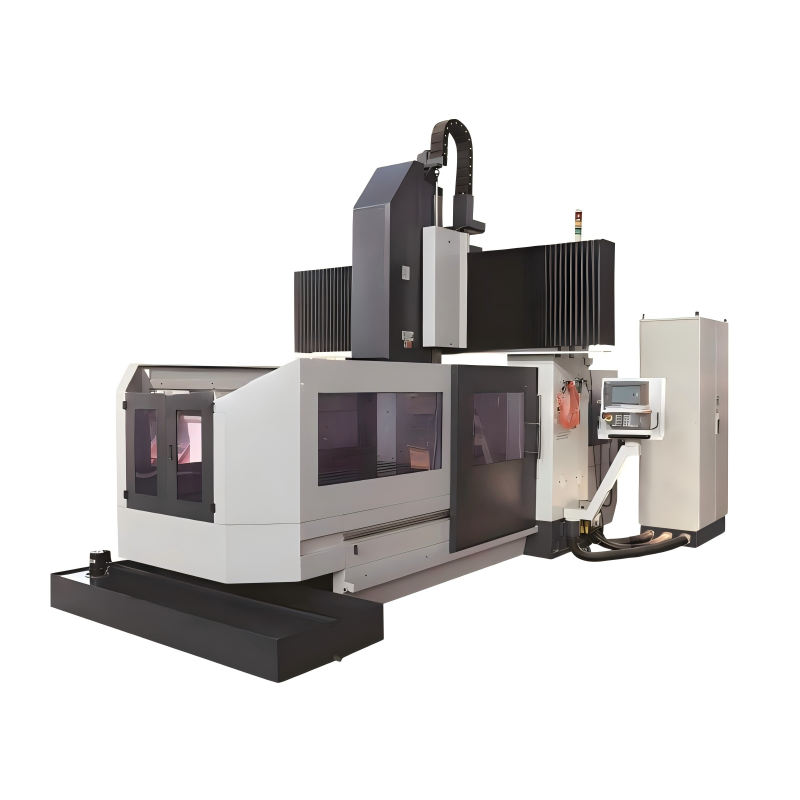
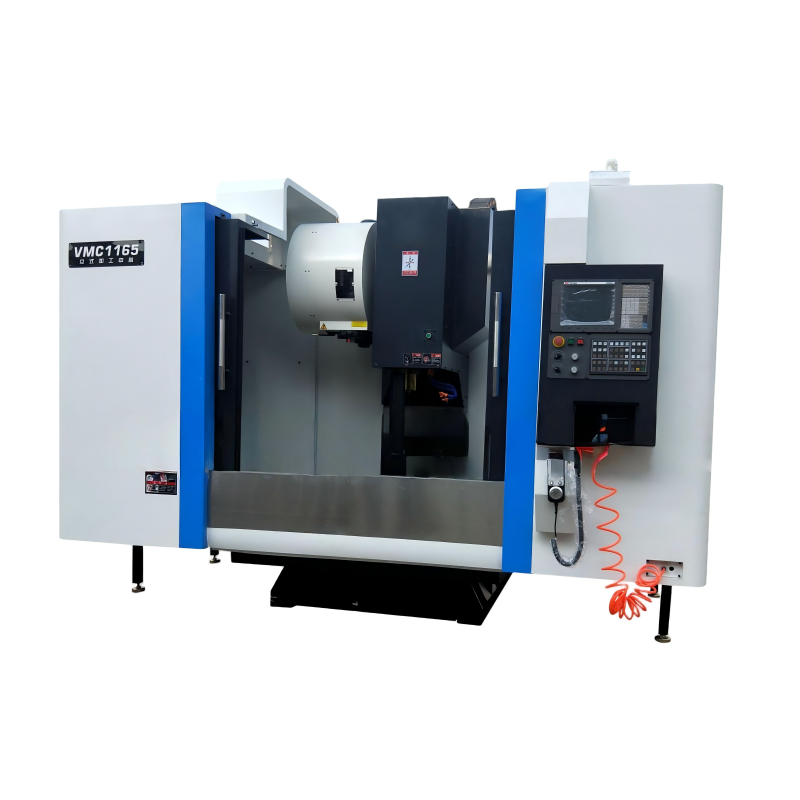
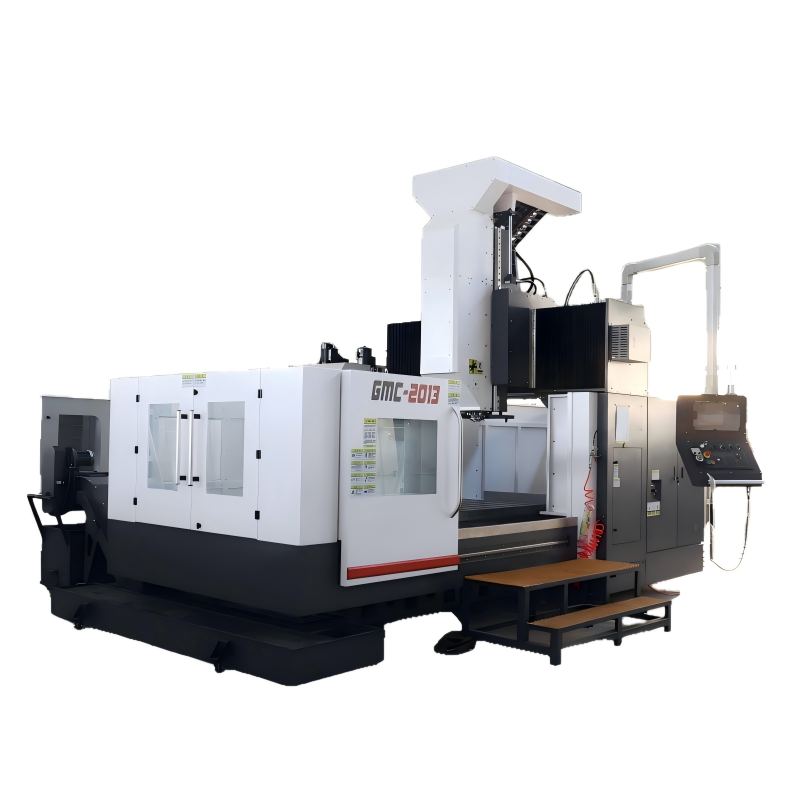
In the rapidly evolving landscape of manufacturing, adhering to internationally recognized standards has become a hallmark of excellence. One such standard is ISO 9001, which plays a pivotal role in transforming CNC lathe manufacturing. This technical report delves into how ISO 9001 principles can be effectively integrated into the operations of a CNC Lathe manufacturer, leading to significant improvements in quality, efficiency, and customer satisfaction.
The implementation of ISO 9001 in a CNC lathe manufacturer involves the establishment of a robust quality management system (QMS). The QMS provides a framework for ensuring that all processes are consistently aligned with the organization's objectives and customer requirements. By adopting ISO 9001, a CNC lathe manufacturer can systematically identify and mitigate risks, thereby enhancing the overall quality of its products.
Key elements of the QMS include:
By focusing on these elements, a CNC lathe manufacturer can achieve a higher level of quality control, reducing defects and increasing customer satisfaction.
ISO 9001 principles not only focus on quality but also on operational efficiency. A well-structured QMS can streamline processes, reduce waste, and improve productivity. For a CNC lathe manufacturer, this translates into faster production cycles, lower costs, and increased competitiveness in the market.
One of the key ways ISO 9001 enhances operational efficiency is through the use of data-driven decision-making. By collecting and analyzing data from various stages of the manufacturing process, the manufacturer can identify bottlenecks and areas for improvement. This data-driven approach enables the company to make informed decisions, leading to more efficient operations.
Additionally, ISO 9001 encourages the adoption of lean manufacturing principles, which focus on eliminating waste and maximizing value. By implementing lean practices, a CNC lathe manufacturer can reduce inventory levels, minimize downtime, and optimize resource utilization. These improvements not only enhance efficiency but also contribute to a more sustainable and environmentally friendly manufacturing process.
Customer satisfaction is at the heart of ISO 9001. By adhering to the standard, a CNC lathe manufacturer can build stronger relationships with its customers by consistently meeting their expectations and delivering high-quality products. The QMS framework ensures that customer feedback is collected, analyzed, and acted upon, leading to continuous improvement and better customer service.
One of the key benefits of ISO 991 is the emphasis on customer communication. Effective communication channels are established to ensure that customer requirements are clearly understood and met. This includes regular updates on order status, prompt responses to inquiries, and timely resolution of any issues or complaints. By maintaining open and transparent communication, a CNC lathe manufacturer can foster trust and loyalty among its customers.
Furthermore, ISO 9001 requires the implementation of a customer-focused culture within the organization. This means that all employees, from top management to the shop floor, are committed to meeting and exceeding customer expectations. Training programs and awareness campaigns can be implemented to ensure that everyone in the organization understands the importance of customer satisfaction and is equipped to deliver it.
Adhering to ISO 9001 also helps a CNC lathe manufacturer ensure compliance with regulatory requirements. The QMS framework includes mechanisms for monitoring and controlling processes to meet both internal and external standards. This is particularly important in industries where safety and quality are critical, such as aerospace, automotive, and medical device manufacturing.
By implementing ISO 9001, a CNC lathe manufacturer can demonstrate its commitment to regulatory compliance, which can be a significant advantage in the marketplace. Many customers, especially those in regulated industries, prefer to work with suppliers who have achieved ISO 9001 certification. This certification serves as a mark of trust and reliability, making it easier for the manufacturer to secure new business and maintain existing relationships.
Moreover, ISO 9001 requires regular audits and reviews to ensure ongoing compliance. These audits help identify and address any non-conformities, ensuring that the manufacturer remains in line with the latest regulations and standards. This proactive approach to compliance reduces the risk of legal and financial penalties, while also enhancing the manufacturer's reputation for quality and reliability.
The integration of ISO 9001 principles into the operations of a CNC lathe manufacturer can lead to significant improvements in quality, efficiency, and customer satisfaction. By establishing a robust QMS, the manufacturer can enhance its quality control, streamline operations, and build stronger relationships with its customers. Additionally, ISO 9001 helps ensure regulatory compliance, providing a competitive edge in the marketplace. As the manufacturing industry continues to evolve, embracing ISO 9001 will be crucial for CNC lathe manufacturers looking to stay ahead of the curve and deliver exceptional value to their customers.
 02/07/2026
ISO 9001 is a globally recognized standard for quality management systems (QMS) that provides a framework for organizations to ensure their products and services consistently meet customer requirements, and that quality is consistently improved. For CNC l
Read More02/07/2026ISO 9001 is a globally recognized standard for quality management systems (QMS) that helps organizations ensure they meet the needs of customers and other stakeholders while adhering to statutory and regulatory requirements. In the context of CNC lathe ma
Read More02/07/2026Understanding ISO 9001 in the Context of CNC Lathe ManufacturingThe ISO 9001 standard is a globally recognized framework for quality management systems (QMS) that provides guidance and tools for organizations to ensure their products and services consiste
Read More01/07/2026Understanding the Importance of ISO 9001 in CNC Lathe ManufacturingThe quest for high-quality manufacturing solutions often leads businesses to consider ISO 9001 certified manufacturers. For those specifically looking into CNC lathe manufacturers, underst
Read More01/07/2026In the realm of precision manufacturing, achieving ISO 9001 certification is a hallmark of excellence. For a CNC lathe manufacturer, this journey is not only about meeting international standards but also about continuously improving processes to deliver
Read More01/07/2026ISO 9001 is a globally recognized standard for quality management systems (QMS), and its application in the manufacturing sector, particularly within CNC lathe manufacturers, has been instrumental in achieving superior production standards. This report de
Read More01/07/2026For a CNC lathe manufacturer, achieving ISO 9001 certification is a significant milestone that not only enhances the company's reputation but also improves operational efficiency and customer satisfaction. This document outlines key considerations for a C
Read More30/06/2026ISO 9001, an internationally recognized standard for quality management systems (QMS), plays a pivotal role in the manufacturing sector, especially for CNC lathe manufacturers. By adhering to this standard, companies can ensure that their products meet hi
Read More30/06/2026ISO 9001 certification is a globally recognized standard that signifies an organization's commitment to quality management. For a CNC lathe manufacturer, achieving ISO 9001 certification can bring numerous benefits, including improved operational efficien
Read More30/06/2026In the rapidly evolving landscape of manufacturing, precision and quality are not just desired but required. For manufacturers specializing in Computer Numerical Control (CNC) lathes, adhering to international standards such as ISO 9001 is crucial for ens
Read More30/06/2026In the dynamic and ever-evolving world of manufacturing, CNC lathe manufacturers are increasingly recognizing the importance of adhering to international quality standards. One such standard is ISO 9001, which has become a hallmark of excellence in the in
Read MoreOur professional sales team is always ready to assist you.