The automotive industry is constantly evolving, driven by the need for more efficient, cost-effective, and high-quality manufacturing processes. One of the key technologies that have revolutionized the production of automotive parts is the CNC lathe. This advanced machine tool has become an indispensable part of the modern automotive manufacturing process, enabling manufacturers to produce complex and precise components with ease. In this report, we will explore several advanced techniques associated with CNC Lathe for Automotive Parts Machining, highlighting their importance and benefits within the automotive sector.
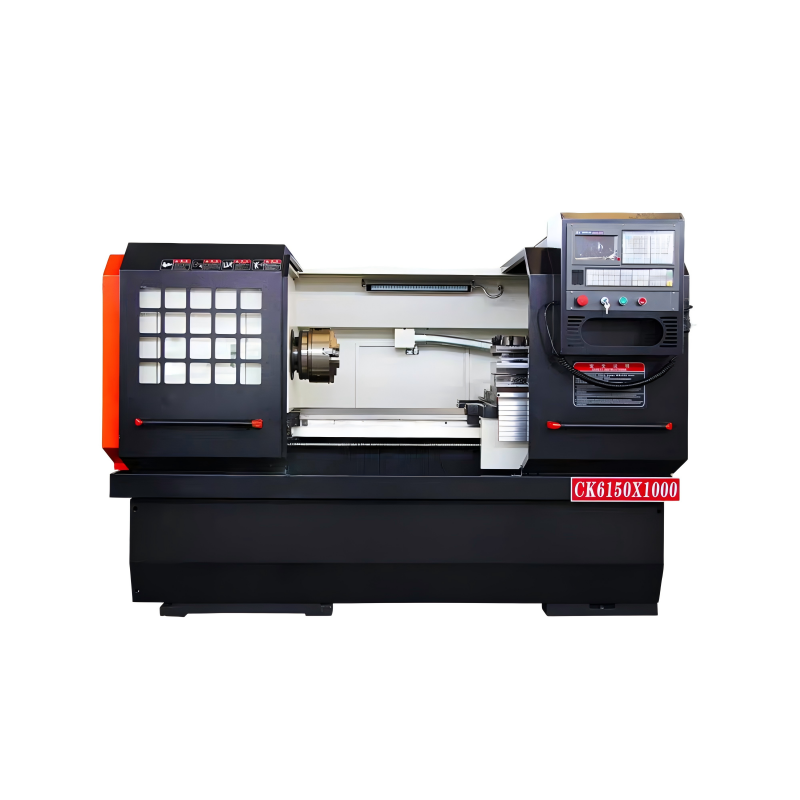
A Computer Numerical Control (CNC) lathe is a sophisticated piece of machinery designed to perform various machining operations such as turning, facing, drilling, and threading, among others. The use of CNC lathes in the automotive industry allows for the production of highly accurate and repeatable parts, which is crucial given the stringent quality standards required in this field. By automating these processes, not only does it reduce human error but also significantly increases productivity. Furthermore, CNC lathes can handle a wide range of materials commonly used in automotive applications, including aluminum, steel, and titanium, making them versatile tools for any shop floor.
One of the most significant advantages offered by CNC lathes is their ability to achieve extremely high levels of precision. In the context of automotive parts machining, even the slightest deviation from specified dimensions or tolerances can lead to performance issues or safety hazards. With CNC lathes, manufacturers are able to maintain tight control over the machining process, ensuring that every part meets the exact specifications required. Advanced features like automatic tool changers, multiple axes, and integrated probing systems further enhance the capabilities of these machines, allowing for the production of increasingly complex geometries while maintaining exceptional accuracy. This level of precision is particularly important when dealing with critical components such as engine blocks, transmission gears, and brake rotors, where failure could have severe consequences.
Another major benefit of using CNC lathes in the automotive industry lies in their potential to greatly improve efficiency through automation. Traditional manual lathes require skilled operators who must manually set up each job, adjust settings, and monitor the machining process continuously. In contrast, CNC lathes can be programmed to run 24/7 with minimal supervision, significantly reducing labor costs and increasing throughput. Additionally, once a program has been created for a particular part, it can be easily stored and reused, minimizing setup time for future runs. For large-scale production runs, this translates into substantial savings in terms of both time and money. Moreover, the integration of robotics and other forms of automation technology with CNC lathes enables even greater efficiencies, such as automatic loading and unloading of workpieces, further streamlining the manufacturing process.
In addition to improving precision and efficiency, CNC lathes also play a vital role in material optimization. Given the rising costs of raw materials, especially metals, any method that can help reduce waste and increase yield is highly valued. Modern CNC lathes come equipped with advanced software that allows for the simulation of cutting paths and the prediction of material removal rates, enabling engineers to design more efficient machining strategies. By carefully planning the sequence of operations and optimizing tool paths, it's possible to minimize the amount of scrap generated during the machining process. This not only saves on material costs but also reduces environmental impact, aligning with the growing emphasis on sustainability within the automotive industry.
As the automotive industry continues to push the boundaries of innovation, the role of CNC lathes in the machining of automotive parts becomes ever more critical. Their capacity to deliver high-precision, efficient, and cost-effective solutions makes them an essential tool for manufacturers looking to stay competitive in today's market. As technology advances, we can expect to see further enhancements in CNC lathe capabilities, driving even greater improvements in the quality and performance of automotive components. Whether it's through increased automation, enhanced material utilization, or improved accuracy, the CNC Lathe for Automotive Parts Machining stands at the forefront of modern manufacturing, shaping the future of the automotive industry one part at a time.
 02/07/2026
Introduction to CNC Lathing in the Automotive IndustryThe application of Computer Numerical Control (CNC) lathes for automotive parts machining has become a cornerstone in modern manufacturing, offering unparalleled precision and efficiency. This method l
Read More02/07/2026The automotive industry is one of the most dynamic and competitive sectors globally, constantly pushing the boundaries of innovation and efficiency. One of the key technologies driving this progress is the CNC lathe for automotive parts machining. This re
Read More02/07/2026Understanding the Role of CNC Lathes in Automotive Parts MachiningIn the automotive industry, precision and efficiency are paramount. The use of CNC lathe for automotive parts machining has become a cornerstone in achieving these goals. A CNC (Computer Nu
Read More01/07/2026The automotive industry is one of the most technologically advanced and competitive sectors, where precision and efficiency are paramount. The use of CNC Lathe for Automotive Parts Machining has become increasingly prevalent, as these machines offer unpar
Read More01/07/2026In the realm of automotive manufacturing, precision and consistency are paramount. The use of CNC Lathe for Automotive Parts Machining has revolutionized the way components are produced, ensuring superior quality and reliability. This report delves into t
Read More01/07/2026The Evolution of CNC Lathes in Automotive Parts ManufacturingSince the advent of computer numerical control (CNC) lathes, their application across various industries has grown exponentially. In the automotive sector, CNC lathe for automotive parts machini
Read More01/07/2026In the rapidly evolving automotive industry, precision and efficiency in parts manufacturing are paramount. One of the key technologies driving this transformation is the CNC Lathe for Automotive Parts Machining. This report explores how CNC lathes have r
Read More30/06/2026In the realm of automotive manufacturing, precision and efficiency are paramount. The advent of CNC (Computer Numerical Control) lathes has revolutionized the way automotive parts are machined, providing unparalleled accuracy and speed. This report delves
Read More30/06/2026In the ever-evolving landscape of automotive manufacturing, precision and efficiency are paramount. One technology that has significantly contributed to these aspects is the CNC lathe for automotive parts machining. This article delves into the critical r
Read More30/06/2026In the rapidly evolving automotive industry, precision and efficiency in component manufacturing play a crucial role. The adoption of advanced machining technologies, such as CNC (Computer Numerical Control) lathes, has significantly enhanced the producti
Read More30/06/2026In the automotive industry, precision and efficiency are not just desirable; they are essential. The use of CNC (Computer Numerical Control) lathes for automotive parts machining has revolutionized how components are manufactured, ensuring that each part
Read MoreOur professional sales team is always ready to assist you.