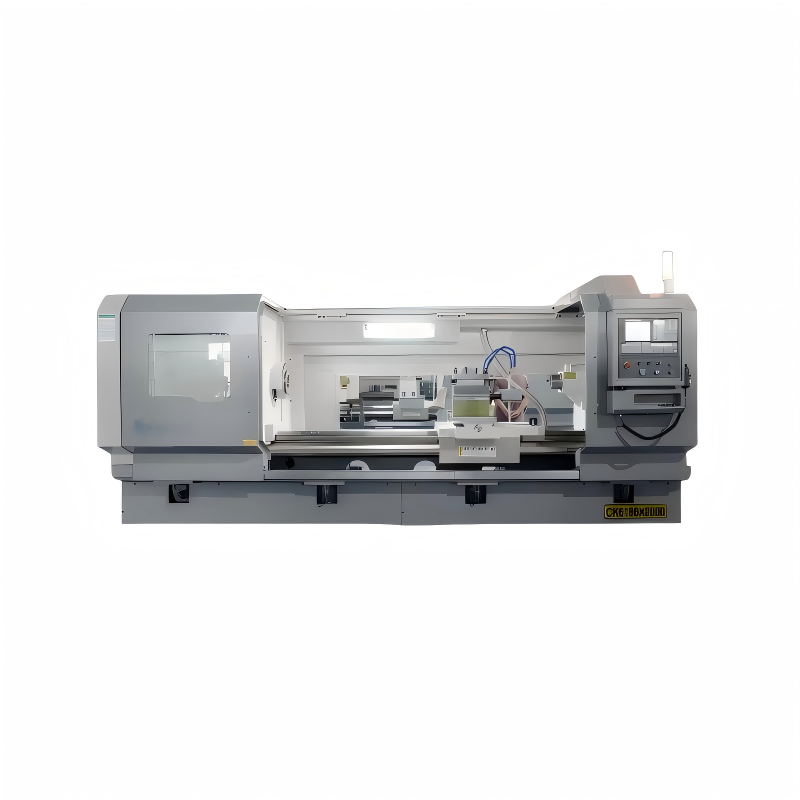
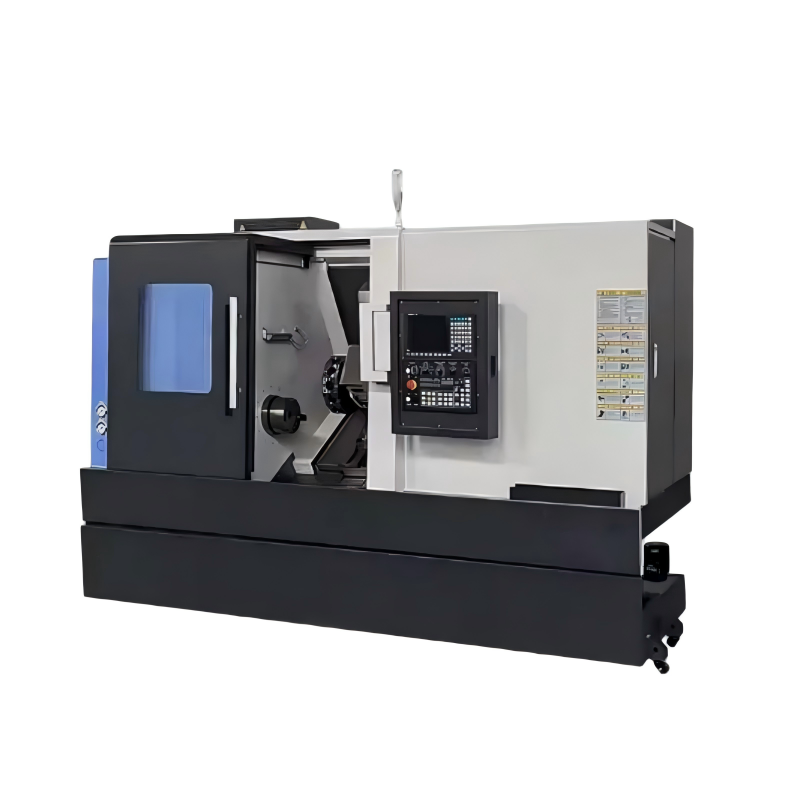
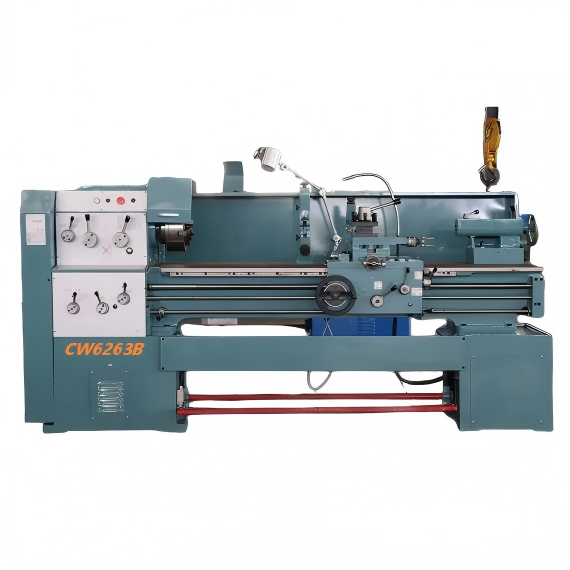
The automotive industry is one of the most dynamic and competitive sectors globally, constantly pushing the boundaries of innovation and efficiency. One of the key technologies driving this progress is the CNC lathe for automotive parts machining. This report explores the recent advancements in CNC Lathes specifically designed for the automotive sector, highlighting their impact on production processes, quality, and cost-effectiveness.
One of the primary advantages of using a CNC lathe for automotive parts machining is the enhanced precision and consistency it offers. Modern CNC lathes are equipped with advanced control systems that can execute complex machining operations with micron-level accuracy. This level of precision is crucial in the automotive industry, where even the slightest deviation can lead to part failure or reduced performance. The use of high-precision tooling and real-time monitoring systems ensures that each part meets the exact specifications required, reducing the likelihood of defects and improving overall product quality.
Moreover, the repeatability of CNC lathes allows for consistent production of parts, which is essential for large-scale manufacturing. This consistency not only improves the reliability of the final product but also reduces the need for manual inspection and rework, thereby streamlining the production process and reducing costs.
CNC lathes have significantly increased the efficiency and productivity of automotive parts machining. These machines are capable of performing multiple operations in a single setup, reducing the need for part transfers between different machines. This not only saves time but also minimizes the risk of errors and damage during handling. Additionally, the ability to program and automate the entire machining process allows for continuous, unattended operation, further enhancing productivity.
Modern CNC lathes are also equipped with features such as automatic tool changers, high-speed spindles, and advanced chip management systems. These features reduce downtime and increase the speed of machining operations, allowing manufacturers to produce more parts in less time. Furthermore, the integration of CNC lathes with other manufacturing systems, such as robotic arms and conveyor systems, creates a seamless and highly efficient production line.
For the automotive industry, where high-volume production is the norm, CNC lathes offer a cost-effective solution. The initial investment in a CNC lathe may be higher compared to traditional machining methods, but the long-term benefits in terms of reduced labor costs, lower scrap rates, and increased production capacity make it a worthwhile investment. The ability to run multiple shifts with minimal human intervention means that CNC lathes can operate 24/7, maximizing the utilization of the machine and the return on investment.
Additionally, the use of advanced software and simulation tools allows manufacturers to optimize the machining process, reducing material waste and energy consumption. This not only lowers the overall production costs but also contributes to a more sustainable and environmentally friendly manufacturing process. The ability to quickly adapt to changes in design and production requirements through software updates further enhances the flexibility and cost-effectiveness of CNC lathes in the automotive sector.
The integration of CNC lathes with Industry 4.0 technologies is revolutionizing the automotive parts machining process. Smart factories are leveraging the Internet of Things (IoT), artificial intelligence (AI), and big data analytics to create a more connected and intelligent manufacturing environment. CNC lathes equipped with IoT sensors can collect real-time data on machine performance, tool wear, and part quality. This data can be analyzed using AI algorithms to predict maintenance needs, optimize machining parameters, and identify potential issues before they become critical.
Furthermore, the use of digital twins and virtual simulations allows manufacturers to test and validate new designs and machining processes in a virtual environment before implementing them in the physical world. This reduces the risk of errors and downtime, and accelerates the development and production of new automotive parts. The integration of CNC lathes with Industry 4.0 technologies not only enhances the efficiency and flexibility of the manufacturing process but also drives innovation and competitiveness in the automotive industry.
The CNC lathe for automotive parts machining has become an indispensable tool in the modern automotive industry. Its ability to deliver high precision, increased efficiency, and cost-effective solutions makes it a valuable asset for manufacturers. As the industry continues to evolve, the integration of CNC lathes with Industry 4.0 technologies will further enhance their capabilities, driving the next wave of innovation and excellence in automotive parts machining.
 02/07/2026
The automotive industry is constantly evolving, driven by the need for more efficient, cost-effective, and high-quality manufacturing processes. One of the key technologies that have revolutionized the production of automotive parts is the CNC lathe. This
Read More02/07/2026Introduction to CNC Lathing in the Automotive IndustryThe application of Computer Numerical Control (CNC) lathes for automotive parts machining has become a cornerstone in modern manufacturing, offering unparalleled precision and efficiency. This method l
Read More02/07/2026Understanding the Role of CNC Lathes in Automotive Parts MachiningIn the automotive industry, precision and efficiency are paramount. The use of CNC lathe for automotive parts machining has become a cornerstone in achieving these goals. A CNC (Computer Nu
Read More01/07/2026The automotive industry is one of the most technologically advanced and competitive sectors, where precision and efficiency are paramount. The use of CNC Lathe for Automotive Parts Machining has become increasingly prevalent, as these machines offer unpar
Read More01/07/2026In the realm of automotive manufacturing, precision and consistency are paramount. The use of CNC Lathe for Automotive Parts Machining has revolutionized the way components are produced, ensuring superior quality and reliability. This report delves into t
Read More01/07/2026The Evolution of CNC Lathes in Automotive Parts ManufacturingSince the advent of computer numerical control (CNC) lathes, their application across various industries has grown exponentially. In the automotive sector, CNC lathe for automotive parts machini
Read More01/07/2026In the rapidly evolving automotive industry, precision and efficiency in parts manufacturing are paramount. One of the key technologies driving this transformation is the CNC Lathe for Automotive Parts Machining. This report explores how CNC lathes have r
Read More30/06/2026In the realm of automotive manufacturing, precision and efficiency are paramount. The advent of CNC (Computer Numerical Control) lathes has revolutionized the way automotive parts are machined, providing unparalleled accuracy and speed. This report delves
Read More30/06/2026In the ever-evolving landscape of automotive manufacturing, precision and efficiency are paramount. One technology that has significantly contributed to these aspects is the CNC lathe for automotive parts machining. This article delves into the critical r
Read More30/06/2026In the rapidly evolving automotive industry, precision and efficiency in component manufacturing play a crucial role. The adoption of advanced machining technologies, such as CNC (Computer Numerical Control) lathes, has significantly enhanced the producti
Read More30/06/2026In the automotive industry, precision and efficiency are not just desirable; they are essential. The use of CNC (Computer Numerical Control) lathes for automotive parts machining has revolutionized how components are manufactured, ensuring that each part
Read MoreOur professional sales team is always ready to assist you.