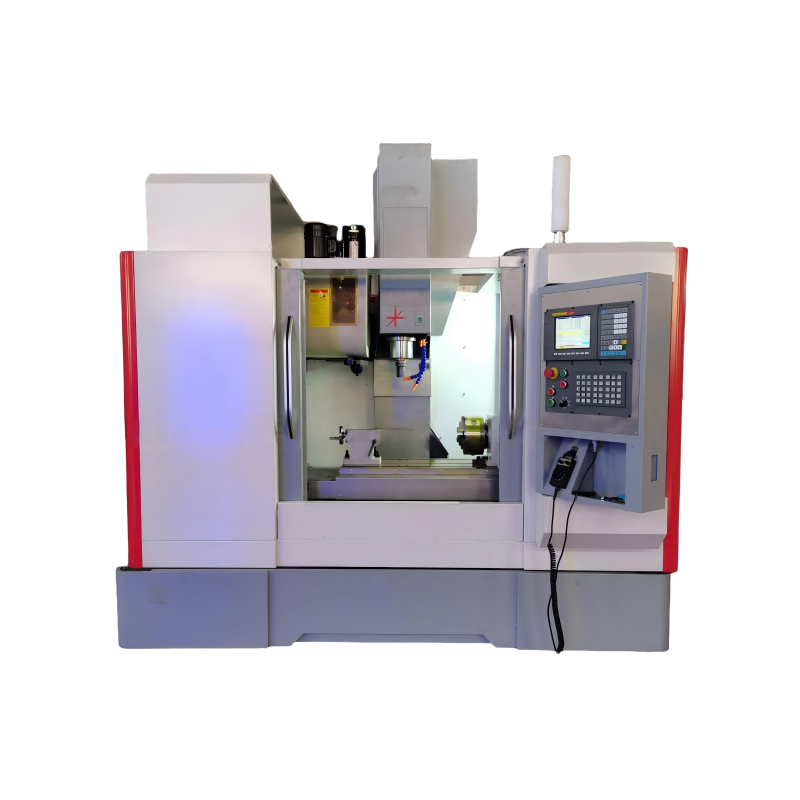
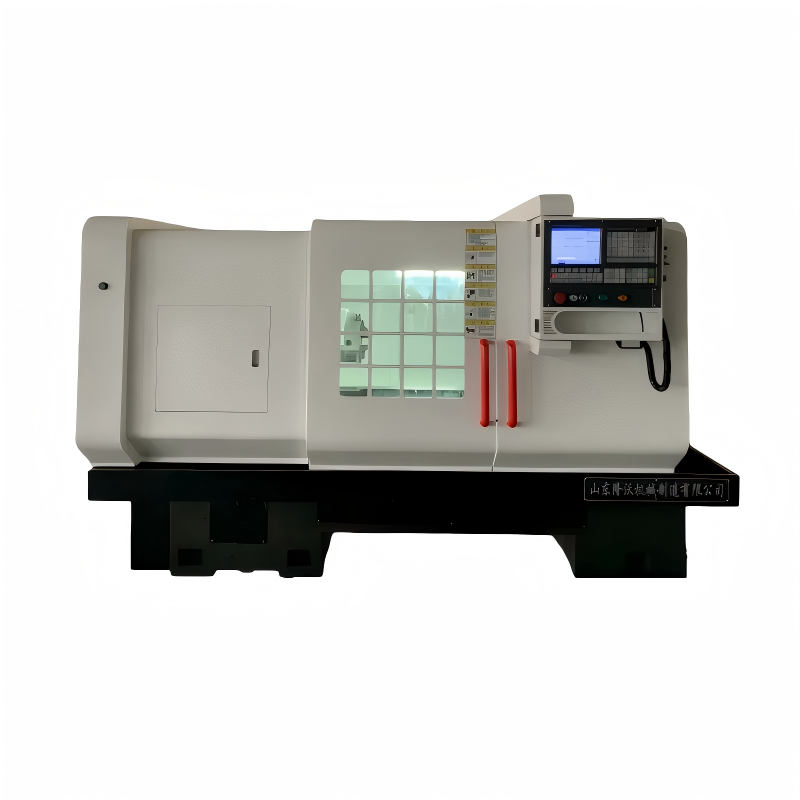
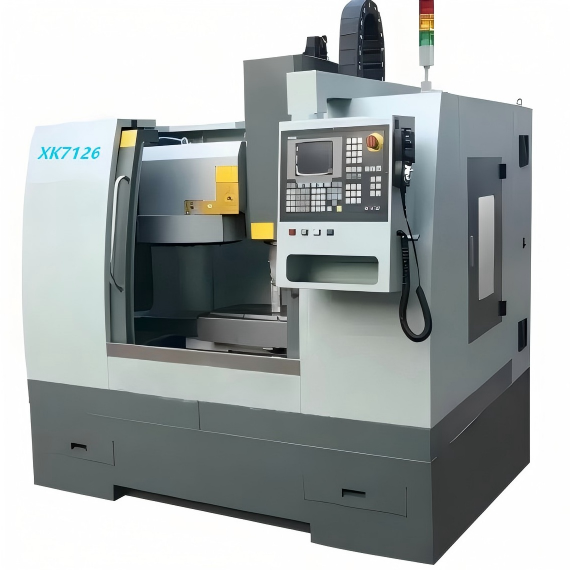
In the automotive industry, precision and efficiency are paramount. The use of CNC Lathe for automotive parts machining has become a cornerstone in achieving these goals. A CNC (Computer Numerical Control) lathe is a machine tool that uses computer programming to control its movements and operations. This technology allows for highly accurate and repeatable manufacturing processes, which is crucial when producing components that must meet strict tolerances and specifications.
The integration of CNC lathes into automotive parts machining has revolutionized the way components such as engine blocks, pistons, and transmission gears are produced. These machines can handle complex geometries and tight tolerances with ease, ensuring that each part meets the high standards required by the automotive industry. Additionally, CNC lathes offer the advantage of being able to produce parts in large volumes without sacrificing quality, making them an ideal choice for mass production environments.
The adoption of CNC lathes in the automotive sector brings several key benefits. First and foremost, these machines significantly enhance the accuracy and consistency of the machined parts. By using pre-programmed instructions, CNC lathes eliminate the potential for human error, resulting in parts that are identical from one batch to another. This level of precision is essential for maintaining the performance and reliability of automotive components.
Another significant advantage is the increased productivity that CNC lathes provide. Traditional manual lathes require skilled operators who must constantly monitor and adjust the machine during operation. In contrast, CNC lathes can run continuously with minimal supervision, allowing for longer production runs and higher output. Furthermore, the ability to program multiple operations into a single setup reduces the need for frequent tool changes and repositioning, further increasing efficiency.
Flexibility is also a key benefit of CNC lathes. These machines can be easily reprogrammed to accommodate design changes or to produce different parts. This adaptability is particularly valuable in the fast-paced automotive industry, where product designs and specifications can change rapidly. CNC lathes allow manufacturers to quickly respond to these changes without the need for extensive retooling or downtime.
To fully leverage the capabilities of CNC lathes in automotive parts machining, it is essential to optimize their operations. One effective strategy is to implement advanced tooling and cutting techniques. High-performance cutting tools, such as coated carbide inserts, can significantly improve the surface finish and dimensional accuracy of machined parts. Additionally, the use of coolant and lubrication systems can help to reduce heat buildup and extend tool life, leading to more efficient and cost-effective machining processes.
Another important aspect of optimization is the use of advanced software and simulation tools. Modern CNC lathes often come equipped with sophisticated software that allows for the simulation of machining processes before actual production begins. This capability enables manufacturers to identify and address potential issues, such as tool collisions or inefficient tool paths, before they occur. By fine-tuning the machining parameters and tool paths, manufacturers can achieve optimal performance and minimize waste.
Regular maintenance and calibration are also critical for ensuring the long-term reliability and accuracy of CNC lathes. Regular inspections, cleaning, and lubrication can help to prevent wear and tear, while periodic calibration ensures that the machine remains within the specified tolerances. Implementing a comprehensive maintenance schedule and training operators on best practices can significantly extend the lifespan of the equipment and maintain high levels of productivity.
Several case studies highlight the successful implementation of CNC lathes in automotive manufacturing. For example, a major automotive manufacturer recently upgraded its production line with state-of-the-art CNC lathes. The new machines were integrated into the existing workflow, and the company saw an immediate improvement in part quality and production efficiency. The CNC lathes allowed for the production of complex engine components with tighter tolerances, resulting in a 20% reduction in scrap rates and a 15% increase in overall throughput.
In another case, a supplier of transmission gears adopted CNC lathes to meet the stringent requirements of its automotive customers. The company was able to produce gears with exceptional precision and consistency, which led to a significant increase in customer satisfaction and a 30% reduction in lead times. The flexibility of the CNC lathes also enabled the supplier to quickly adapt to design changes, providing a competitive edge in the market.
These case studies demonstrate the tangible benefits of integrating CNC lathes into automotive manufacturing processes. By leveraging the precision, productivity, and flexibility of these machines, manufacturers can achieve higher levels of quality and efficiency, ultimately contributing to the success of their operations.
The future of CNC lathes in automotive parts machining looks promising, with ongoing advancements in technology and automation. One emerging trend is the integration of Industry 4.0 technologies, such as the Internet of Things (IoT) and artificial intelligence (AI). These technologies enable real-time monitoring and data analysis, allowing for predictive maintenance and continuous process optimization. For example, IoT sensors can detect signs of wear or malfunction in the machine, triggering alerts for maintenance before a breakdown occurs.
AI and machine learning algorithms can also be used to analyze production data and identify patterns that can lead to process improvements. By continuously learning from the data, these algorithms can suggest optimal machining parameters and tool paths, further enhancing the efficiency and accuracy of CNC lathes.
Another area of innovation is the development of hybrid CNC lathes, which combine the capabilities of traditional lathes with those of other machine tools, such as milling and grinding. These multifunctional machines can perform a wide range of operations in a single setup, reducing the need for multiple machines and setups. This not only saves time and space but also improves the overall quality and consistency of the machined parts.
As the automotive industry continues to evolve, the role of CNC lathes in automotive parts machining will become even more critical. By embracing the latest trends and innovations, manufacturers can stay ahead of the curve and continue to deliver high-quality, precision-machined components that meet the demands of the modern automotive market.
 02/07/2026
The automotive industry is constantly evolving, driven by the need for more efficient, cost-effective, and high-quality manufacturing processes. One of the key technologies that have revolutionized the production of automotive parts is the CNC lathe. This
Read More02/07/2026Introduction to CNC Lathing in the Automotive IndustryThe application of Computer Numerical Control (CNC) lathes for automotive parts machining has become a cornerstone in modern manufacturing, offering unparalleled precision and efficiency. This method l
Read More02/07/2026The automotive industry is one of the most dynamic and competitive sectors globally, constantly pushing the boundaries of innovation and efficiency. One of the key technologies driving this progress is the CNC lathe for automotive parts machining. This re
Read More01/07/2026The automotive industry is one of the most technologically advanced and competitive sectors, where precision and efficiency are paramount. The use of CNC Lathe for Automotive Parts Machining has become increasingly prevalent, as these machines offer unpar
Read More01/07/2026In the realm of automotive manufacturing, precision and consistency are paramount. The use of CNC Lathe for Automotive Parts Machining has revolutionized the way components are produced, ensuring superior quality and reliability. This report delves into t
Read More01/07/2026The Evolution of CNC Lathes in Automotive Parts ManufacturingSince the advent of computer numerical control (CNC) lathes, their application across various industries has grown exponentially. In the automotive sector, CNC lathe for automotive parts machini
Read More01/07/2026In the rapidly evolving automotive industry, precision and efficiency in parts manufacturing are paramount. One of the key technologies driving this transformation is the CNC Lathe for Automotive Parts Machining. This report explores how CNC lathes have r
Read More30/06/2026In the realm of automotive manufacturing, precision and efficiency are paramount. The advent of CNC (Computer Numerical Control) lathes has revolutionized the way automotive parts are machined, providing unparalleled accuracy and speed. This report delves
Read More30/06/2026In the ever-evolving landscape of automotive manufacturing, precision and efficiency are paramount. One technology that has significantly contributed to these aspects is the CNC lathe for automotive parts machining. This article delves into the critical r
Read More30/06/2026In the rapidly evolving automotive industry, precision and efficiency in component manufacturing play a crucial role. The adoption of advanced machining technologies, such as CNC (Computer Numerical Control) lathes, has significantly enhanced the producti
Read More30/06/2026In the automotive industry, precision and efficiency are not just desirable; they are essential. The use of CNC (Computer Numerical Control) lathes for automotive parts machining has revolutionized how components are manufactured, ensuring that each part
Read MoreOur professional sales team is always ready to assist you.