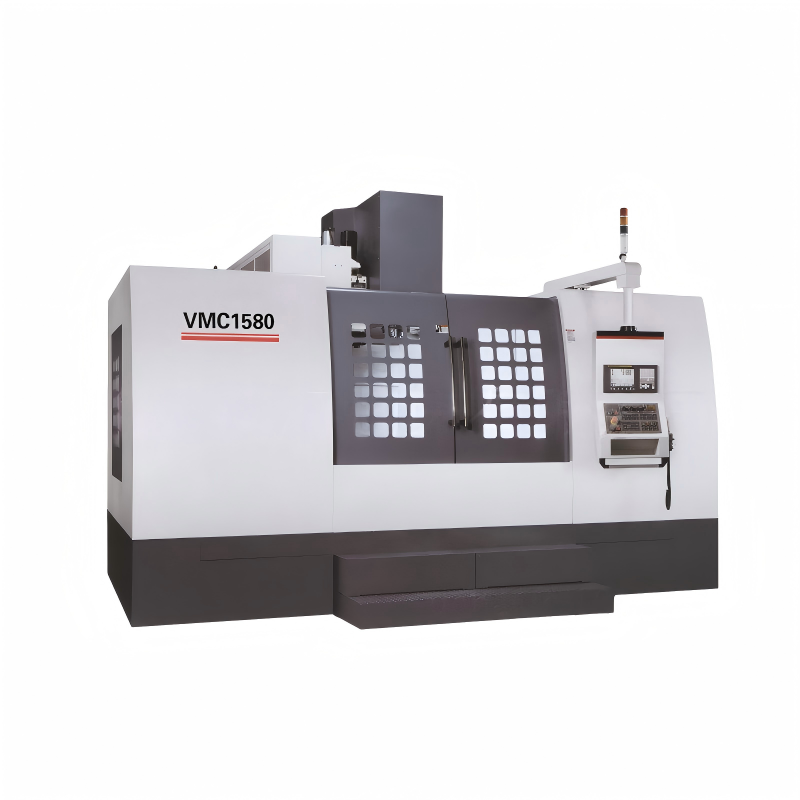
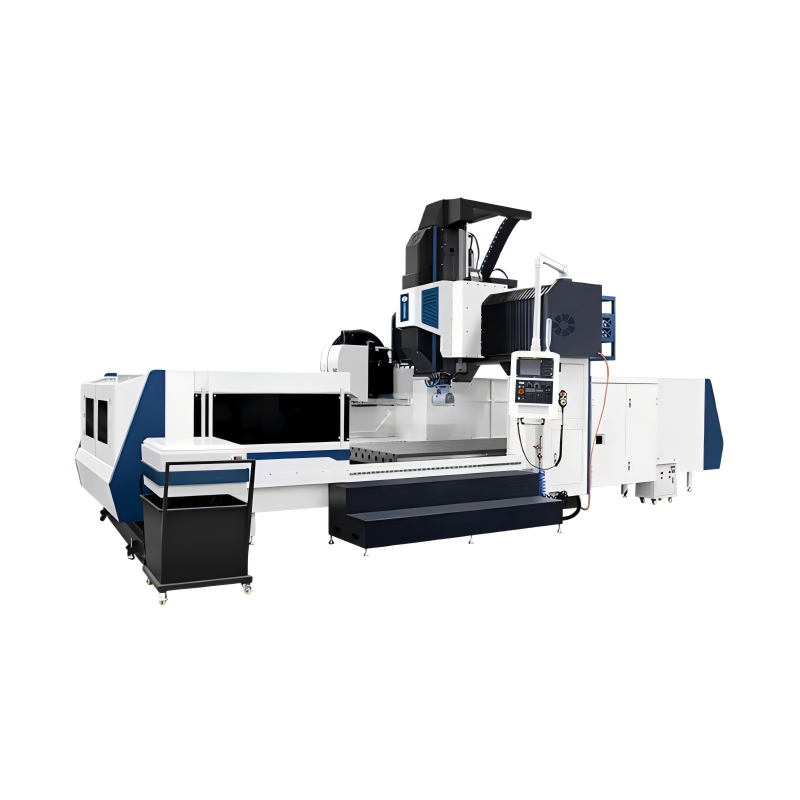
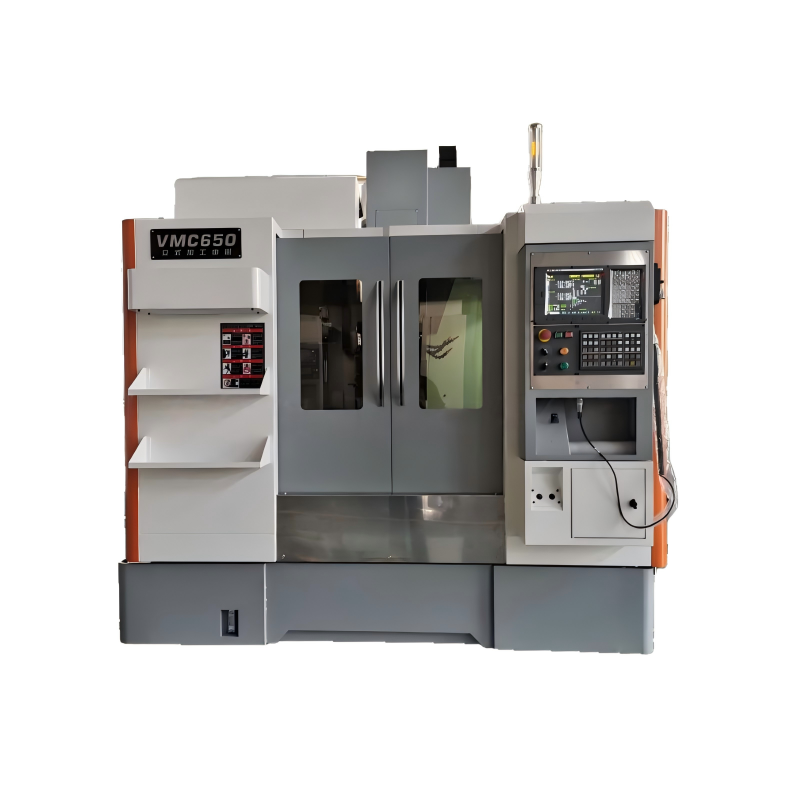
The application of Computer Numerical Control (CNC) lathes for automotive parts machining has become a cornerstone in modern manufacturing, offering unparalleled precision and efficiency. This method leverages computer-aided design (CAD) and computer-aided manufacturing (CAM) technologies, allowing for the production of complex components with minimal human intervention. The adoption of CNC Lathe for Automotive Parts Machining not only enhances product quality but also streamlines the overall production process, making it an indispensable tool for automotive manufacturers aiming to stay competitive in a rapidly evolving market.
Precision is paramount in the automotive industry, where even the slightest deviation can lead to catastrophic failures. CNC lathes excel in providing consistent accuracy across all produced parts. By utilizing pre-programmed instructions, these machines eliminate the potential for human error, ensuring that each component meets the exact specifications required. This level of precision is particularly beneficial for critical parts such as engine blocks, transmission gears, and suspension components, where dimensional tolerances are extremely tight. Additionally, the repeatability offered by CNC lathes means that once a part is programmed, it can be replicated with identical precision, time after time, thereby enhancing the reliability and performance of the final vehicle.
One of the most significant advantages of employing CNC lathes in the automotive sector is the substantial increase in production efficiency. These machines operate 24/7 without fatigue, reducing downtime and increasing output. Moreover, they require less manual labor, which not only cuts down on labor costs but also minimizes the risk of workplace injuries. The automation provided by CNC lathes allows for continuous operation, enabling manufacturers to meet high-volume demands efficiently. Furthermore, the ability to perform multiple operations in a single setup reduces the need for additional machinery, leading to a more streamlined and cost-effective production line. As a result, companies can achieve higher productivity levels while maintaining or even lowering their operational expenses, making CNC lathing a highly attractive solution for automotive part production.
In the fast-paced world of automotive manufacturing, adaptability is key to staying ahead of the curve. CNC lathes offer exceptional flexibility, allowing manufacturers to quickly switch between different part designs and configurations. This is achieved through the use of interchangeable tools and programmable controls, which enable rapid reprogramming and setup changes. Whether it's producing a new prototype or adjusting to a change in production requirements, CNC lathes can handle the transition seamlessly. This flexibility is especially valuable in an industry where innovation and customization are increasingly important. It enables manufacturers to respond to market demands more effectively, introduce new products faster, and maintain a competitive edge.
Modern CNC lathes are designed to integrate seamlessly with other advanced manufacturing technologies, such as robotics and automated material handling systems. This integration further enhances the efficiency and effectiveness of the production process. For example, robotic arms can load and unload parts from the CNC lathe, eliminating the need for human operators and reducing cycle times. Additionally, real-time monitoring and data analytics can be employed to track machine performance, identify potential issues, and optimize production parameters. This data-driven approach not only improves the overall quality of the manufactured parts but also helps in predictive maintenance, reducing unexpected downtime and extending the lifespan of the machinery. By embracing these integrated solutions, automotive manufacturers can achieve a more robust and resilient manufacturing ecosystem, capable of meeting the demands of the future.
The use of CNC lathes for automotive parts machining represents a significant advancement in the field of manufacturing. By providing enhanced precision, increased efficiency, and greater flexibility, these machines are transforming the way automotive components are produced. As the industry continues to evolve, the integration of CNC lathing with other advanced technologies will play a crucial role in driving innovation and maintaining competitiveness. For automotive manufacturers, adopting CNC lathing is not just a step towards modernization; it is a strategic move that ensures long-term success in a dynamic and demanding market.
 02/07/2026
The automotive industry is constantly evolving, driven by the need for more efficient, cost-effective, and high-quality manufacturing processes. One of the key technologies that have revolutionized the production of automotive parts is the CNC lathe. This
Read More02/07/2026The automotive industry is one of the most dynamic and competitive sectors globally, constantly pushing the boundaries of innovation and efficiency. One of the key technologies driving this progress is the CNC lathe for automotive parts machining. This re
Read More02/07/2026Understanding the Role of CNC Lathes in Automotive Parts MachiningIn the automotive industry, precision and efficiency are paramount. The use of CNC lathe for automotive parts machining has become a cornerstone in achieving these goals. A CNC (Computer Nu
Read More01/07/2026The automotive industry is one of the most technologically advanced and competitive sectors, where precision and efficiency are paramount. The use of CNC Lathe for Automotive Parts Machining has become increasingly prevalent, as these machines offer unpar
Read More01/07/2026In the realm of automotive manufacturing, precision and consistency are paramount. The use of CNC Lathe for Automotive Parts Machining has revolutionized the way components are produced, ensuring superior quality and reliability. This report delves into t
Read More01/07/2026The Evolution of CNC Lathes in Automotive Parts ManufacturingSince the advent of computer numerical control (CNC) lathes, their application across various industries has grown exponentially. In the automotive sector, CNC lathe for automotive parts machini
Read More01/07/2026In the rapidly evolving automotive industry, precision and efficiency in parts manufacturing are paramount. One of the key technologies driving this transformation is the CNC Lathe for Automotive Parts Machining. This report explores how CNC lathes have r
Read More30/06/2026In the realm of automotive manufacturing, precision and efficiency are paramount. The advent of CNC (Computer Numerical Control) lathes has revolutionized the way automotive parts are machined, providing unparalleled accuracy and speed. This report delves
Read More30/06/2026In the ever-evolving landscape of automotive manufacturing, precision and efficiency are paramount. One technology that has significantly contributed to these aspects is the CNC lathe for automotive parts machining. This article delves into the critical r
Read More30/06/2026In the rapidly evolving automotive industry, precision and efficiency in component manufacturing play a crucial role. The adoption of advanced machining technologies, such as CNC (Computer Numerical Control) lathes, has significantly enhanced the producti
Read More30/06/2026In the automotive industry, precision and efficiency are not just desirable; they are essential. The use of CNC (Computer Numerical Control) lathes for automotive parts machining has revolutionized how components are manufactured, ensuring that each part
Read MoreOur professional sales team is always ready to assist you.