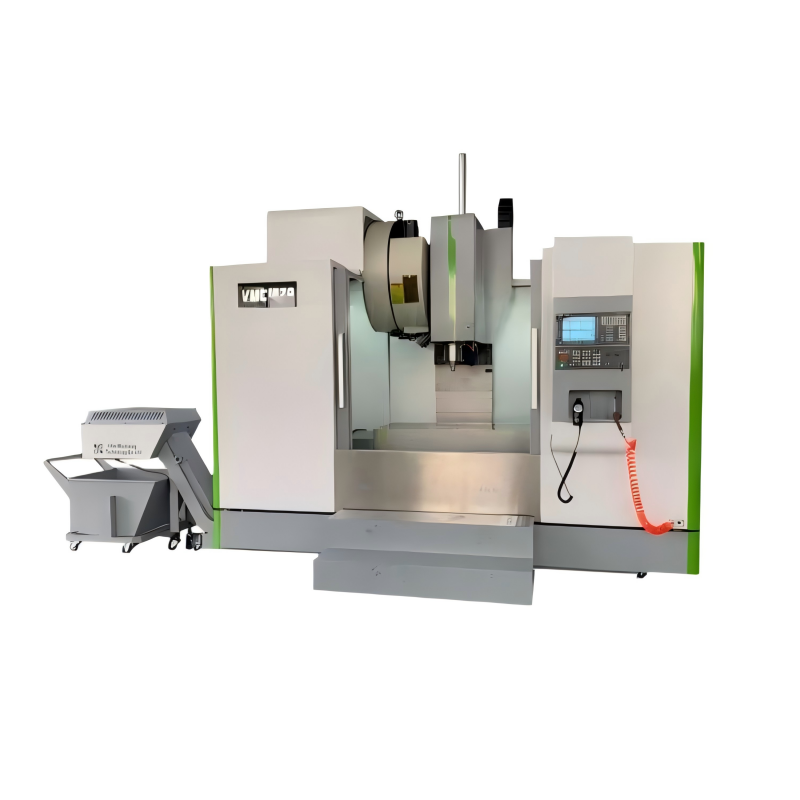
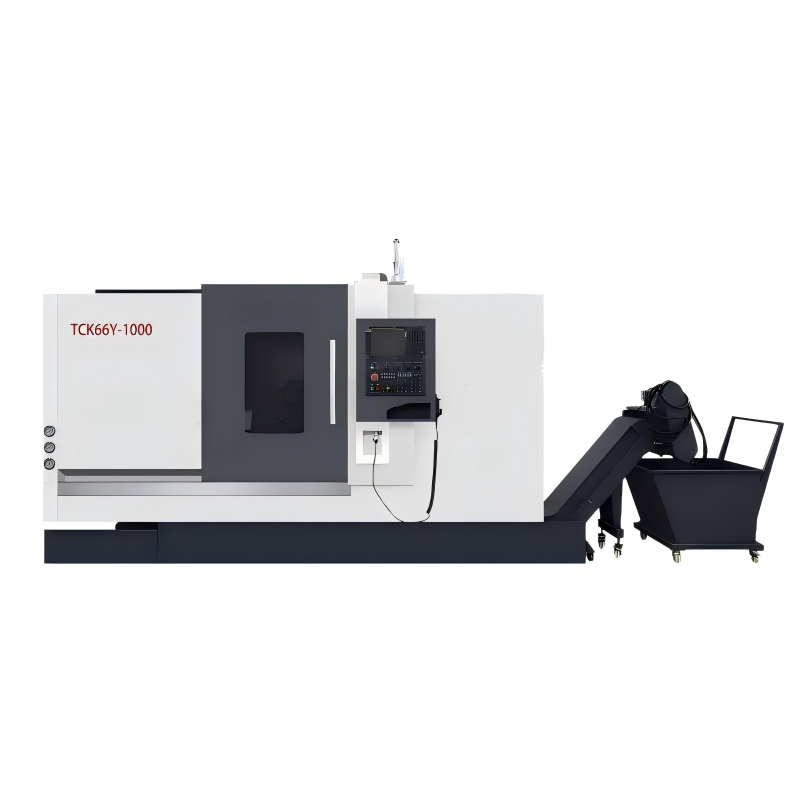
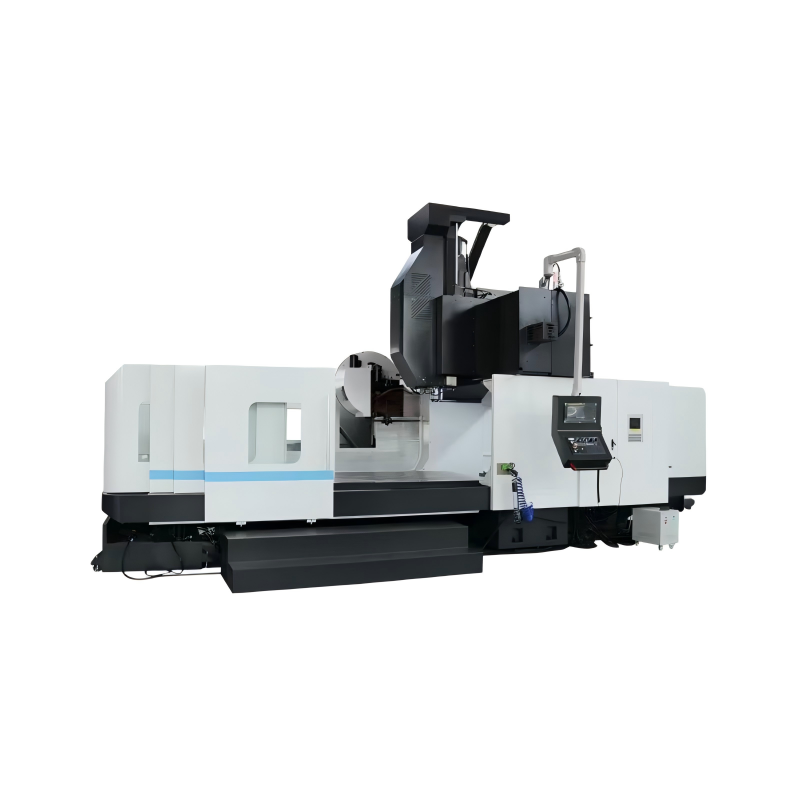
Since the advent of computer numerical control (CNC) lathes, their application across various industries has grown exponentially. In the automotive sector, CNC Lathe for automotive parts machining has become a cornerstone technology, enabling manufacturers to achieve unprecedented levels of precision and efficiency. Initially, these machines were used for basic operations such as turning and boring. However, with advancements in software and hardware, modern CNC lathes can now perform complex multi-axis machining, making them indispensable in producing high-precision components like engine blocks, cylinder heads, and transmission gears.
The evolution from manual to automated systems has not only improved the quality and consistency of automotive parts but also significantly reduced production times. This shift is characterized by the integration of advanced features, including real-time monitoring, predictive maintenance, and adaptive control, which allow for continuous optimization of the manufacturing process. These innovations have made it possible for manufacturers to meet the stringent requirements of today's automotive industry, where reliability, performance, and cost-effectiveness are paramount.
One of the most significant advantages of using advanced CNC lathe for automotive parts machining techniques is the ability to achieve extremely tight tolerances. Modern CNC lathes are equipped with high-resolution encoders and sophisticated control algorithms that enable them to produce parts with micron-level accuracy. This level of precision is crucial in the automotive industry, where even the slightest deviation can affect the performance and safety of a vehicle. Additionally, these machines support multiple tool stations, allowing for the simultaneous execution of different operations, thus reducing cycle times and increasing productivity.
Another key advantage is the flexibility offered by advanced CNC lathes. With the capability to handle a wide range of materials, from aluminum and steel to exotic alloys, these machines can be adapted to suit various manufacturing needs. Furthermore, the use of CAD/CAM software enables engineers to design and simulate part programs before actual machining, ensuring that the final product meets all specifications. This pre-production simulation helps to identify and correct any potential issues, thereby minimizing errors and waste.
Lastly, the integration of Industry 4.0 technologies, such as IoT and AI, into CNC lathes has further enhanced their capabilities. Real-time data collection and analysis enable operators to monitor the health of the machine, predict maintenance needs, and optimize tool paths. This not only improves the overall efficiency of the production process but also extends the lifespan of the equipment, leading to significant cost savings over time.
Despite the numerous benefits, the implementation of advanced CNC lathe for automotive parts machining techniques comes with its own set of challenges. One of the primary concerns is the initial investment required for purchasing and setting up these high-tech machines. The cost of advanced CNC lathes, along with the necessary software and training, can be substantial. However, many manufacturers find that the long-term benefits, such as increased productivity and reduced scrap rates, justify the investment.
Another challenge is the need for skilled operators and programmers. Advanced CNC lathes require a deep understanding of both the machinery and the underlying software. Training existing staff or hiring new personnel with the requisite skills can be time-consuming and expensive. To address this, many companies are investing in comprehensive training programs and partnerships with educational institutions to ensure a steady supply of qualified workers.
Finally, the rapid pace of technological change in the field of CNC machining means that staying current is essential. Regular updates to software and hardware, as well as ongoing research and development, are necessary to maintain a competitive edge. Companies that fail to keep up with the latest advancements risk falling behind their competitors. To mitigate this, many manufacturers are forming strategic alliances with technology providers and participating in industry forums to stay informed about the latest trends and innovations.
Looking ahead, several emerging trends are likely to shape the future of CNC lathe for automotive parts machining. One of the most promising developments is the increasing use of hybrid machines that combine traditional CNC lathe functions with other machining processes, such as milling and grinding. These multi-functional machines offer greater versatility and can handle more complex parts, reducing the need for multiple setups and improving overall efficiency.
Another trend is the growing adoption of additive manufacturing, or 3D printing, in conjunction with CNC lathes. While 3D printing is primarily used for prototyping, it is increasingly being integrated into the production process for creating intricate and lightweight components. Combining additive and subtractive manufacturing technologies allows for the creation of parts with unique geometries and properties, opening up new possibilities in automotive design and engineering.
Additionally, the use of artificial intelligence (AI) and machine learning (ML) is expected to play a larger role in CNC lathe operations. AI-driven algorithms can analyze large datasets to optimize tool paths, reduce cycle times, and improve surface finish. ML models can also be used to predict and prevent tool wear, further enhancing the reliability and efficiency of the manufacturing process.
In conclusion, the continuous evolution of CNC lathe technology is driving significant advancements in the automotive industry. By leveraging the precision, flexibility, and efficiency of advanced CNC lathes, manufacturers can produce high-quality parts at a lower cost and with greater speed. Despite the challenges, the benefits of implementing these cutting-edge techniques make them an essential part of modern automotive manufacturing. As the industry continues to innovate, the integration of new technologies and processes will undoubtedly lead to even more exciting developments in the years to come.
 02/07/2026
The automotive industry is constantly evolving, driven by the need for more efficient, cost-effective, and high-quality manufacturing processes. One of the key technologies that have revolutionized the production of automotive parts is the CNC lathe. This
Read More02/07/2026Introduction to CNC Lathing in the Automotive IndustryThe application of Computer Numerical Control (CNC) lathes for automotive parts machining has become a cornerstone in modern manufacturing, offering unparalleled precision and efficiency. This method l
Read More02/07/2026The automotive industry is one of the most dynamic and competitive sectors globally, constantly pushing the boundaries of innovation and efficiency. One of the key technologies driving this progress is the CNC lathe for automotive parts machining. This re
Read More02/07/2026Understanding the Role of CNC Lathes in Automotive Parts MachiningIn the automotive industry, precision and efficiency are paramount. The use of CNC lathe for automotive parts machining has become a cornerstone in achieving these goals. A CNC (Computer Nu
Read More01/07/2026The automotive industry is one of the most technologically advanced and competitive sectors, where precision and efficiency are paramount. The use of CNC Lathe for Automotive Parts Machining has become increasingly prevalent, as these machines offer unpar
Read More01/07/2026In the realm of automotive manufacturing, precision and consistency are paramount. The use of CNC Lathe for Automotive Parts Machining has revolutionized the way components are produced, ensuring superior quality and reliability. This report delves into t
Read More01/07/2026In the rapidly evolving automotive industry, precision and efficiency in parts manufacturing are paramount. One of the key technologies driving this transformation is the CNC Lathe for Automotive Parts Machining. This report explores how CNC lathes have r
Read More30/06/2026In the realm of automotive manufacturing, precision and efficiency are paramount. The advent of CNC (Computer Numerical Control) lathes has revolutionized the way automotive parts are machined, providing unparalleled accuracy and speed. This report delves
Read More30/06/2026In the ever-evolving landscape of automotive manufacturing, precision and efficiency are paramount. One technology that has significantly contributed to these aspects is the CNC lathe for automotive parts machining. This article delves into the critical r
Read More30/06/2026In the rapidly evolving automotive industry, precision and efficiency in component manufacturing play a crucial role. The adoption of advanced machining technologies, such as CNC (Computer Numerical Control) lathes, has significantly enhanced the producti
Read More30/06/2026In the automotive industry, precision and efficiency are not just desirable; they are essential. The use of CNC (Computer Numerical Control) lathes for automotive parts machining has revolutionized how components are manufactured, ensuring that each part
Read MoreOur professional sales team is always ready to assist you.