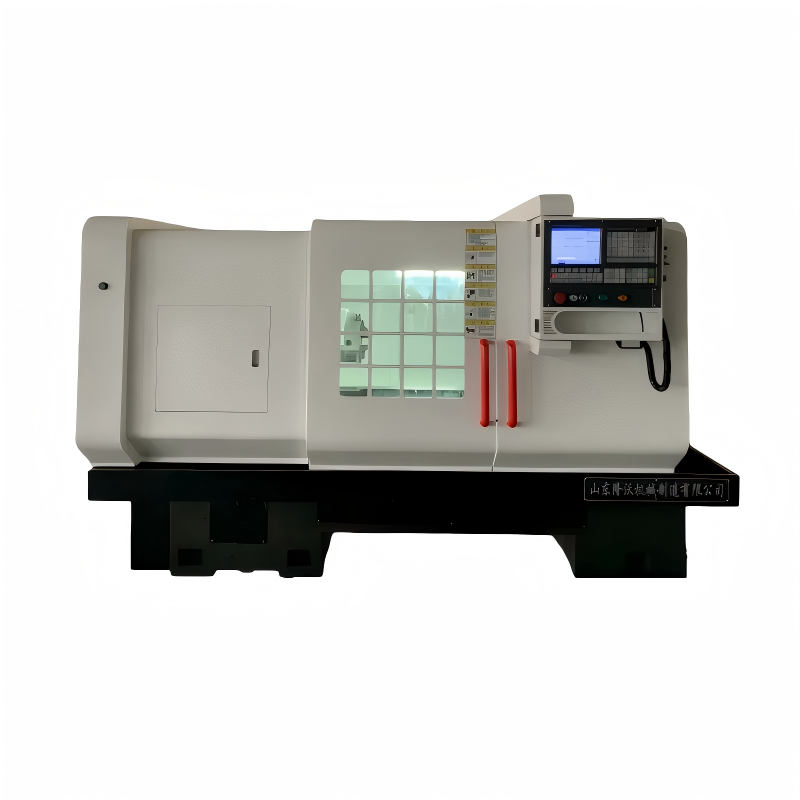
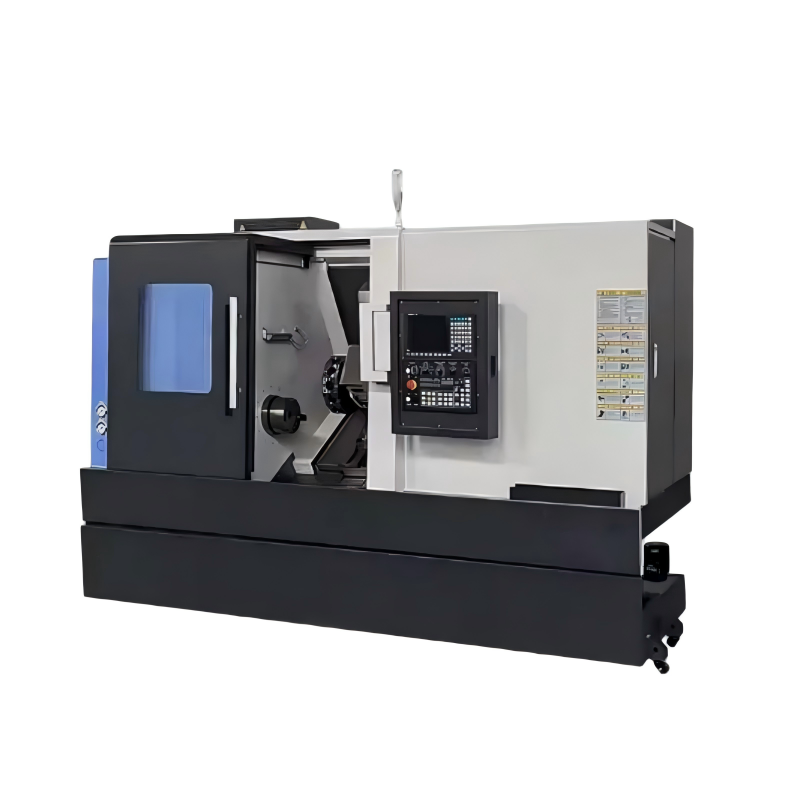
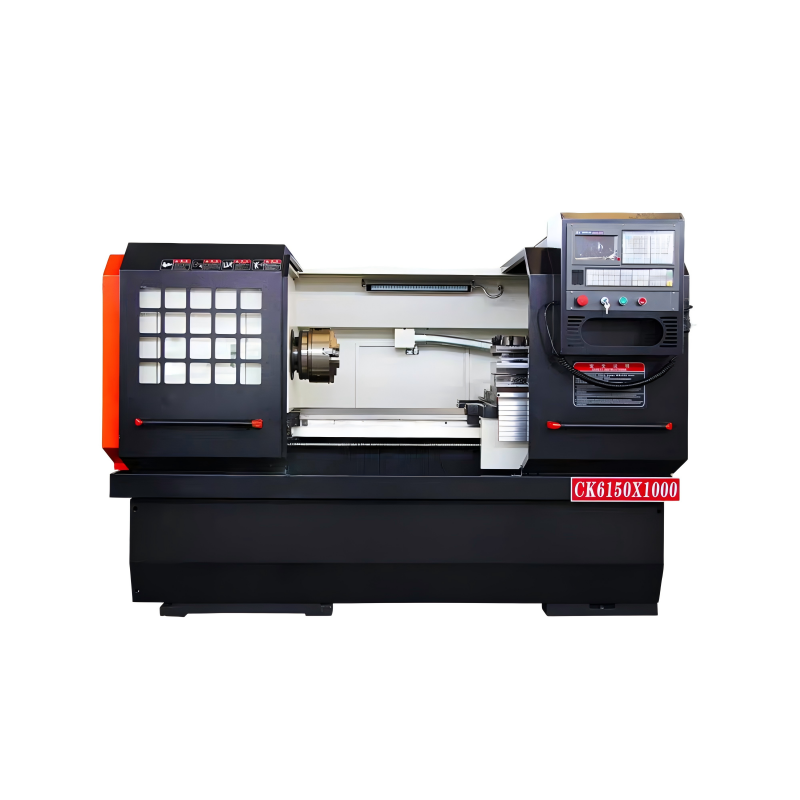
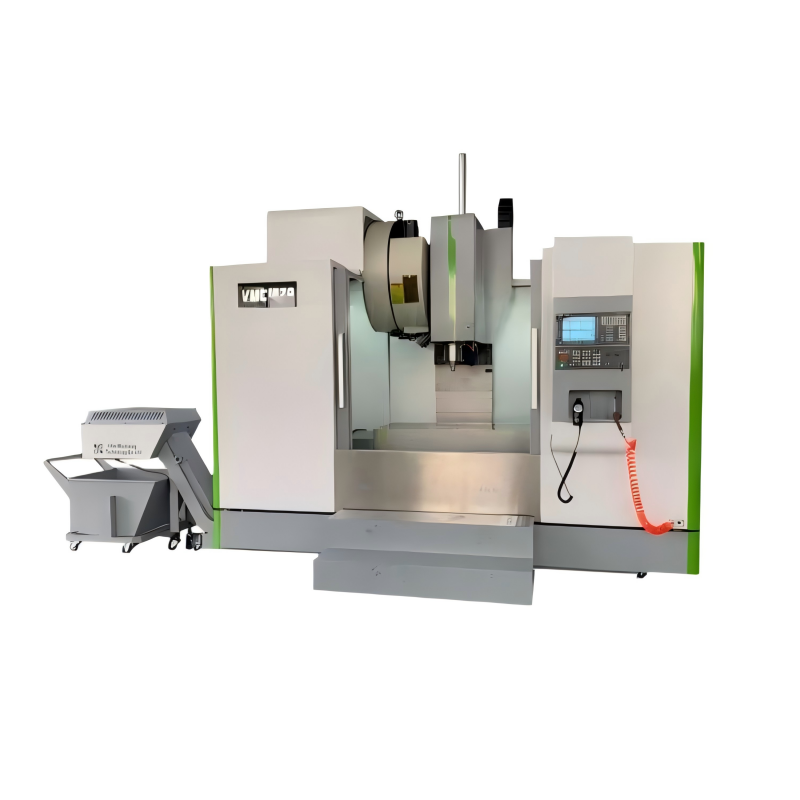
In the realm of automotive manufacturing, precision and consistency are paramount. The use of CNC Lathe for Automotive Parts Machining has revolutionized the way components are produced, ensuring superior quality and reliability. This report delves into the key aspects of how CNC Lathes contribute to the high standards required in the automotive industry.
CNC (Computer Numerical Control) lathes are automated machines that can perform a wide range of operations with high precision. In the context of automotive parts machining, these machines are indispensable due to their ability to produce complex geometries and maintain tight tolerances. The CNC lathe operates by following a set of instructions programmed into the machine, which ensures that each part is manufactured to exact specifications. This level of precision is critical for automotive components, where even minor deviations can lead to significant performance issues or safety concerns.
One of the primary advantages of using CNC lathes is their repeatability. Once a program is created and tested, it can be used to produce identical parts consistently, reducing the likelihood of errors and ensuring uniform quality. This is particularly important in the automotive industry, where large volumes of parts are often required, and any variations can lead to assembly problems or product recalls.
Efficiency is another crucial factor in the automotive manufacturing process. CNC lathes significantly enhance productivity by automating the machining process, reducing the need for manual intervention. This automation not only speeds up the production rate but also minimizes the risk of human error. Additionally, CNC lathes can operate 24/7, further increasing the output capacity of the manufacturing facility.
Modern CNC lathes are equipped with advanced features such as multi-axis capabilities, live tooling, and automatic tool changers. These features allow for the simultaneous execution of multiple operations, reducing the overall cycle time and increasing throughput. For example, a single CNC lathe can perform turning, milling, drilling, and threading operations, eliminating the need to transfer the workpiece between different machines. This integration not only saves time but also reduces the potential for errors during setup and handling.
A key advantage of CNC lathes is their versatility in handling a wide range of materials commonly used in the automotive industry. Whether it's aluminum, steel, brass, or other alloys, CNC lathes can be configured to work with various materials, ensuring that the specific requirements of each component are met. This flexibility is essential in the automotive sector, where different parts may require different materials to achieve the desired strength, weight, and durability.
Moreover, CNC lathes can be programmed to optimize the cutting parameters for each material, such as feed rates, spindle speeds, and cutting depths. This optimization ensures that the material is machined efficiently and effectively, minimizing waste and maximizing the quality of the finished part. For instance, when machining a high-strength steel component, the CNC lathe can be set to use a slower feed rate and higher spindle speed to prevent overheating and maintain the integrity of the material.
Ensuring the quality of automotive parts is a top priority, and CNC lathes play a vital role in this process. Many modern CNC lathes are integrated with in-process inspection systems, such as probes and sensors, which can measure the dimensions of the part during the machining process. This real-time monitoring allows for immediate adjustments to be made if any deviations from the specified tolerances are detected, thereby maintaining the highest level of quality control.
Additionally, post-machining inspection is simplified with CNC lathes. The consistent and repeatable nature of the machining process means that once a part is verified, subsequent parts can be trusted to meet the same standards. This reduces the need for extensive manual inspection, saving time and resources. Furthermore, many CNC lathes are capable of generating detailed reports and logs, providing a comprehensive record of the machining process and facilitating traceability and compliance with industry standards.
The use of CNC Lathe for Automotive Parts Machining is a cornerstone of modern automotive manufacturing. By leveraging the precision, efficiency, and versatility of CNC lathes, manufacturers can produce high-quality components that meet the stringent requirements of the industry. The integration of advanced features and quality control measures further enhances the capabilities of these machines, ensuring that automotive parts are manufactured to the highest standards. As the automotive industry continues to evolve, the role of CNC lathes will remain crucial in achieving superior quality and driving innovation.
 02/07/2026
The automotive industry is constantly evolving, driven by the need for more efficient, cost-effective, and high-quality manufacturing processes. One of the key technologies that have revolutionized the production of automotive parts is the CNC lathe. This
Read More02/07/2026Introduction to CNC Lathing in the Automotive IndustryThe application of Computer Numerical Control (CNC) lathes for automotive parts machining has become a cornerstone in modern manufacturing, offering unparalleled precision and efficiency. This method l
Read More02/07/2026The automotive industry is one of the most dynamic and competitive sectors globally, constantly pushing the boundaries of innovation and efficiency. One of the key technologies driving this progress is the CNC lathe for automotive parts machining. This re
Read More02/07/2026Understanding the Role of CNC Lathes in Automotive Parts MachiningIn the automotive industry, precision and efficiency are paramount. The use of CNC lathe for automotive parts machining has become a cornerstone in achieving these goals. A CNC (Computer Nu
Read More01/07/2026The automotive industry is one of the most technologically advanced and competitive sectors, where precision and efficiency are paramount. The use of CNC Lathe for Automotive Parts Machining has become increasingly prevalent, as these machines offer unpar
Read More01/07/2026The Evolution of CNC Lathes in Automotive Parts ManufacturingSince the advent of computer numerical control (CNC) lathes, their application across various industries has grown exponentially. In the automotive sector, CNC lathe for automotive parts machini
Read More01/07/2026In the rapidly evolving automotive industry, precision and efficiency in parts manufacturing are paramount. One of the key technologies driving this transformation is the CNC Lathe for Automotive Parts Machining. This report explores how CNC lathes have r
Read More30/06/2026In the realm of automotive manufacturing, precision and efficiency are paramount. The advent of CNC (Computer Numerical Control) lathes has revolutionized the way automotive parts are machined, providing unparalleled accuracy and speed. This report delves
Read More30/06/2026In the ever-evolving landscape of automotive manufacturing, precision and efficiency are paramount. One technology that has significantly contributed to these aspects is the CNC lathe for automotive parts machining. This article delves into the critical r
Read More30/06/2026In the rapidly evolving automotive industry, precision and efficiency in component manufacturing play a crucial role. The adoption of advanced machining technologies, such as CNC (Computer Numerical Control) lathes, has significantly enhanced the producti
Read More30/06/2026In the automotive industry, precision and efficiency are not just desirable; they are essential. The use of CNC (Computer Numerical Control) lathes for automotive parts machining has revolutionized how components are manufactured, ensuring that each part
Read MoreOur professional sales team is always ready to assist you.