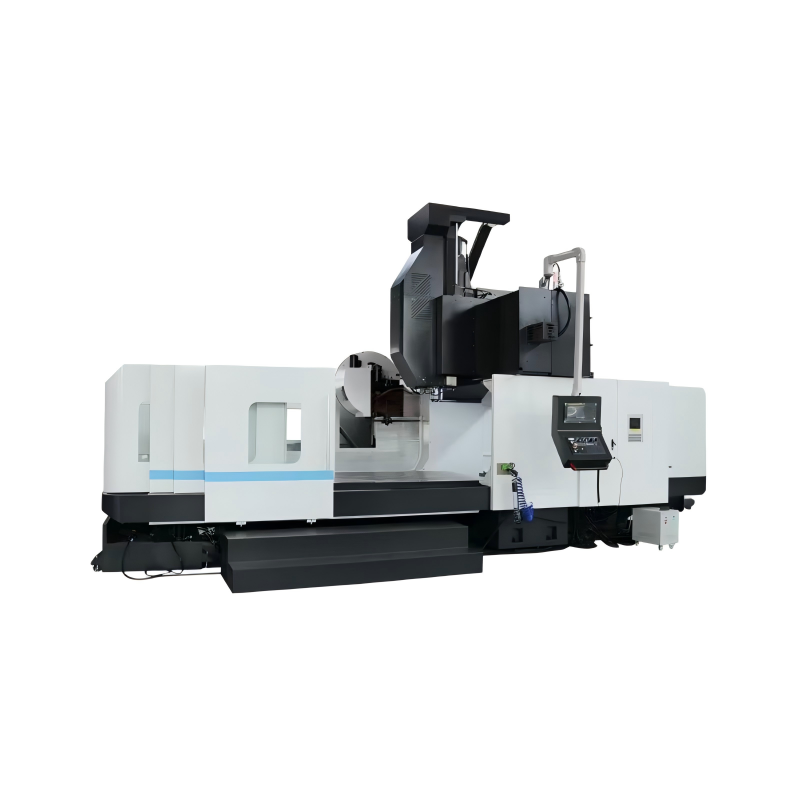
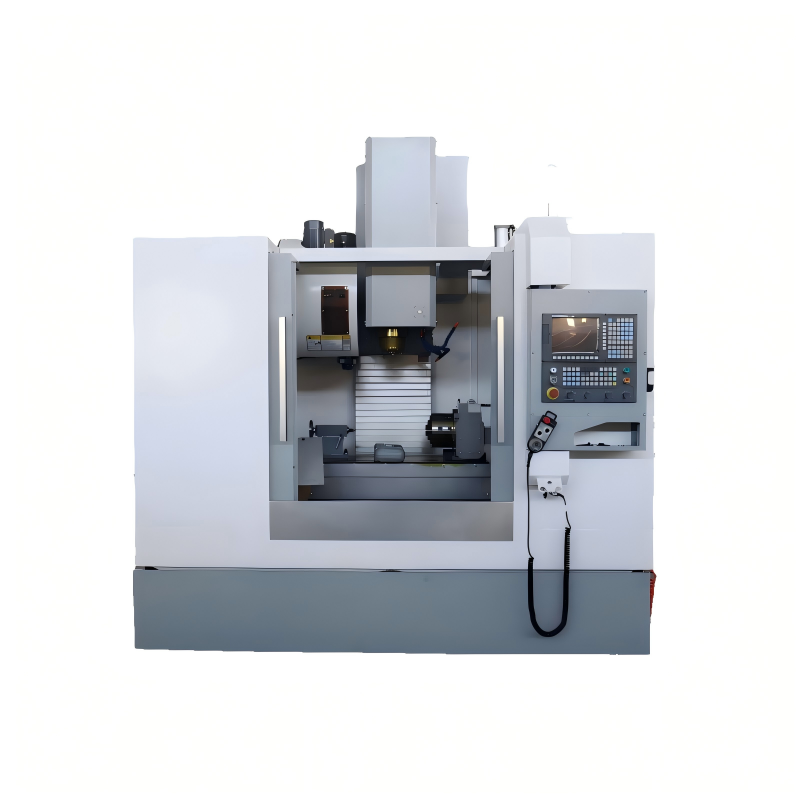
The heavy-duty vertical CNC Machining Center is a critical piece of equipment in many manufacturing environments, capable of handling large and complex parts with high precision. To ensure optimal performance and longevity, it's essential to understand the maintenance requirements for these machines. This report aims to provide a comprehensive overview of the key maintenance practices that should be adopted by operators and maintenance personnel.
Understanding the Machine: Components and Their Functions
Before diving into specific maintenance procedures, it's crucial to have a solid understanding of the components that make up a Heavy-duty vertical CNC machining center. These machines typically consist of several key parts, including the spindle, tool magazine, coolant system, and control panel. The spindle, for instance, is responsible for rotating cutting tools at high speeds, while the tool magazine stores and automatically changes tools as needed during the machining process. Knowing how each component operates and its role within the machine helps in identifying potential issues more effectively.
Regular Inspection and Cleaning: A Foundation for Reliability
Maintaining a regular inspection and cleaning schedule is fundamental to keeping a heavy-duty vertical CNC machining center in top working condition. Daily checks should include inspecting the machine for any signs of wear or damage, such as cracks in the casting or loose fastenings. Additionally, clearing chips and debris from the work area, as well as wiping down surfaces with a clean cloth, can prevent contamination and prolong the life of the machine. Special attention must also be paid to the coolant system; ensuring it remains free of contaminants and operates efficiently is vital for maintaining proper lubrication and cooling of the cutting tools.
Lubrication: Ensuring Smooth Operation
Proper lubrication is another critical aspect of maintaining a heavy-duty vertical CNC machining center. All moving parts, particularly those under significant stress like the spindle bearings, require regular application of appropriate lubricants. Not only does this reduce friction and wear, but it also improves the overall efficiency of the machine. It’s important to use the type of lubricant recommended by the manufacturer and to follow their guidelines regarding frequency and method of application. Over-lubrication can lead to other problems, so adhering strictly to the instructions is advisable.
Software Updates and Calibration: Keeping Up with Technology
As technology evolves, so do the capabilities and requirements of CNC machinery. Regular software updates are necessary to take advantage of new features, improve security, and fix any bugs that may affect performance. Similarly, periodic calibration of the machine ensures that all axes move accurately and consistently, which is crucial for achieving tight tolerances on machined parts. Both of these activities should be performed according to the manufacturer's recommendations, often requiring specialized training and tools. Investing in ongoing education for staff involved in operating and maintaining the machine will help keep your operations running smoothly and efficiently.
In conclusion, the effective maintenance of a heavy-duty vertical CNC machining center involves a combination of routine inspections, thorough cleaning, correct lubrication, and timely software updates along with calibrations. By following these guidelines, manufacturers can significantly extend the lifespan of their equipment, minimize downtime, and maintain high levels of productivity and quality in their production processes.
 29/06/2026



