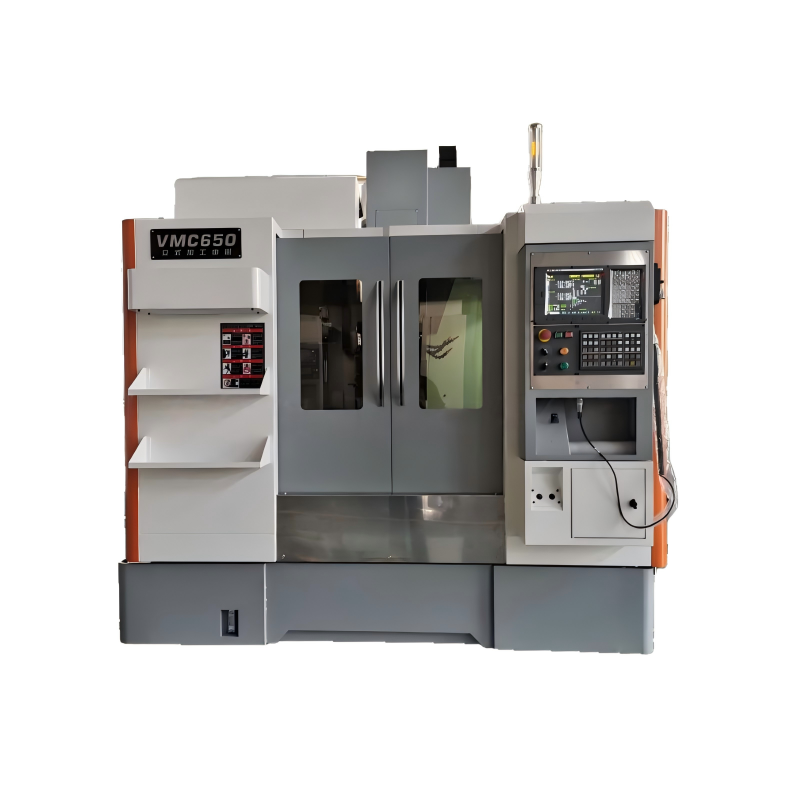
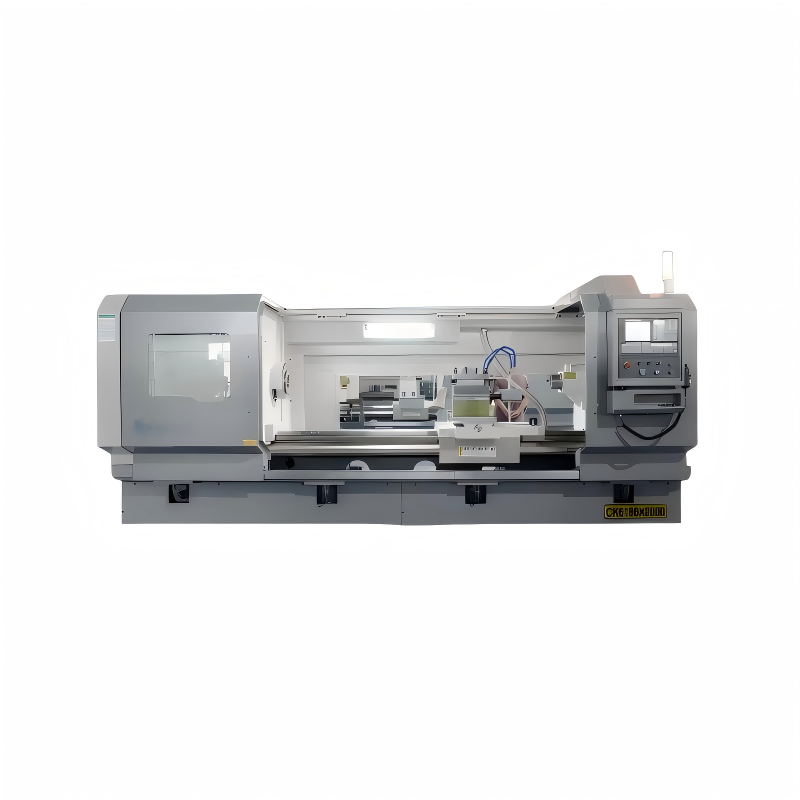
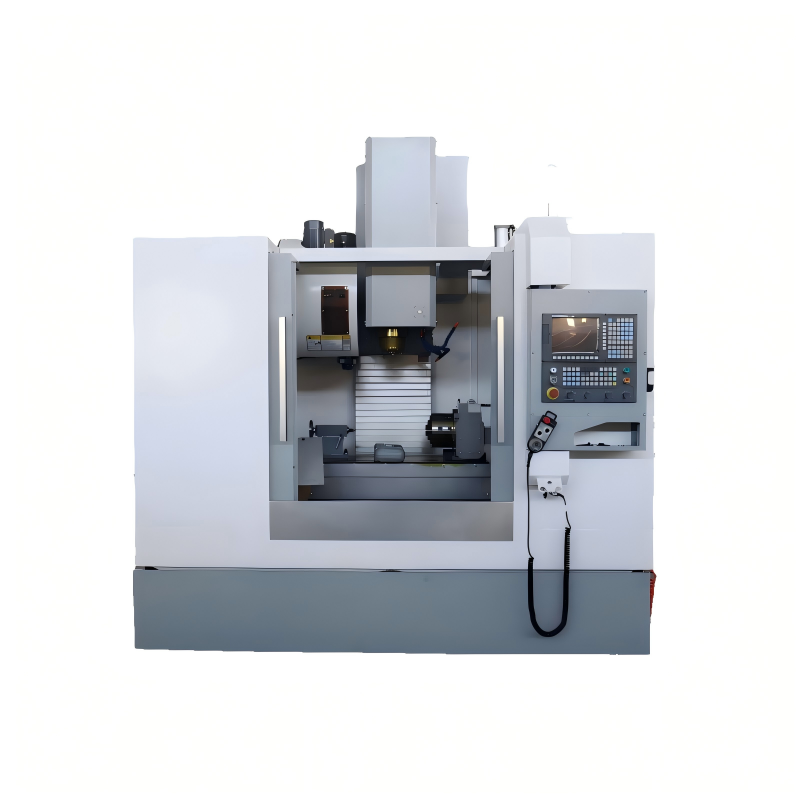
The advancement in manufacturing technology has led to the development of more efficient, precise, and versatile machinery. One such innovation is the heavy-duty vertical CNC Machining Center, which stands out as a cornerstone in modern industrial production. These machines are designed to handle large, complex, and heavy components with ease, ensuring that manufacturers can meet the demands of various industries, from aerospace to automotive. This report will explore how these advanced systems enhance productivity through their unique features and applications.
One of the key aspects that set Heavy-duty vertical CNC machining centers apart is the integration of cutting-edge technologies aimed at improving precision. Modern CNC machines come equipped with high-precision spindles, linear guides, and ball screws, all of which contribute to maintaining tight tolerances even during high-speed operations. Additionally, the use of advanced control systems, such as those based on artificial intelligence (AI) and machine learning (ML), allows for real-time adjustments and predictive maintenance, minimizing downtime and ensuring consistent quality output.
For example, AI-driven algorithms can predict tool wear and automatically adjust cutting parameters to maintain optimal performance. This not only extends the life of the tools but also ensures that the final product meets the required specifications without the need for manual intervention. Furthermore, the incorporation of multi-axis capabilities enables the machining of intricate geometries, making these machines indispensable for producing parts with complex designs.
Another significant advantage of using a heavy-duty vertical CNC machining center lies in its ability to streamline the production process through automation and system integration. Automated material handling systems, such as robotic arms and conveyor belts, can be seamlessly integrated with the CNC machine, allowing for continuous operation with minimal human oversight. This setup reduces the time needed for setup and changeover, thereby increasing overall throughput and efficiency.
Moreover, the integration of these machines into a larger manufacturing execution system (MES) or enterprise resource planning (ERP) system enables better coordination across different stages of production. Data collected from the CNC machine, such as cycle times, part counts, and maintenance alerts, can be fed directly into the MES/ERP, providing managers with real-time insights into the production floor. Such visibility helps in identifying bottlenecks, optimizing workflows, and making data-driven decisions to further enhance productivity.
Heavy-duty vertical CNC machining centers offer unparalleled flexibility, making them suitable for a wide range of applications. The modular design of these machines allows for easy reconfiguration to accommodate different workpiece sizes and shapes, as well as varying levels of complexity. This adaptability is particularly beneficial in industries where there is a frequent need to switch between different types of components, such as in job shops or contract manufacturing environments.
Scalability is another critical factor that contributes to the versatility of these machines. As businesses grow and demand increases, additional modules or accessories can be added to the existing setup to expand capacity and capability. For instance, a company may start with a basic 3-axis configuration and later upgrade to a 5-axis machine to handle more complex jobs. This scalability ensures that the investment in a heavy-duty vertical CNC machining center remains relevant and valuable over time, even as the business evolves.
In conclusion, the heavy-duty vertical CNC machining center represents a significant leap forward in manufacturing technology. By integrating advanced features, automating processes, and offering flexible and scalable solutions, these machines play a crucial role in enhancing productivity and driving innovation. As industries continue to demand higher precision, faster turnaround times, and greater efficiency, the adoption of such advanced machining centers becomes increasingly essential. Investing in these state-of-the-art systems not only improves current operational capabilities but also positions companies for long-term success in an ever-evolving market.
 28/06/2026
Choosing the right heavy-duty vertical CNC machining center is a critical decision for any manufacturing business. This guide aims to provide a comprehensive overview of the key considerations, from understanding the basics to evaluating specific features
Read More27/06/2026The heavy-duty vertical CNC machining center is a critical piece of equipment in many manufacturing environments, capable of handling large and complex parts with high precision. To ensure optimal performance and longevity, it's essential to understand th
Read More26/06/2026Heavy-duty vertical CNC machining centers are pivotal in modern manufacturing, offering precision, versatility, and efficiency. These machines are designed to handle large and complex parts, making them indispensable for industries such as aerospace, auto
Read More25/06/2026The field of manufacturing has seen significant advancements over the years, with the heavy-duty vertical CNC machining center being a prime example. This piece of equipment is not just a tool but a technological marvel that brings together precision, eff
Read MoreOur professional sales team is always ready to assist you.