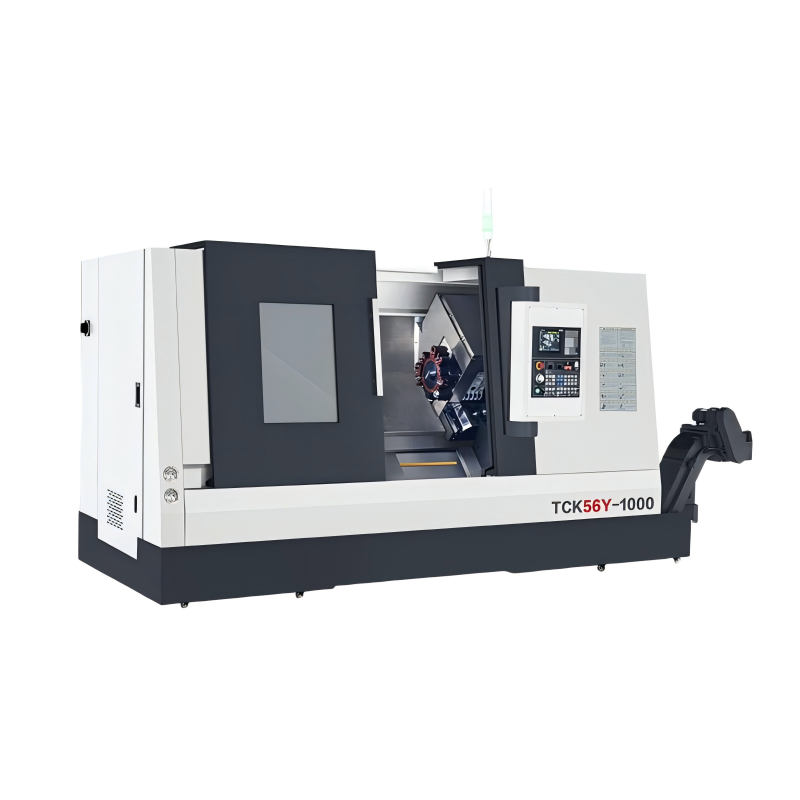
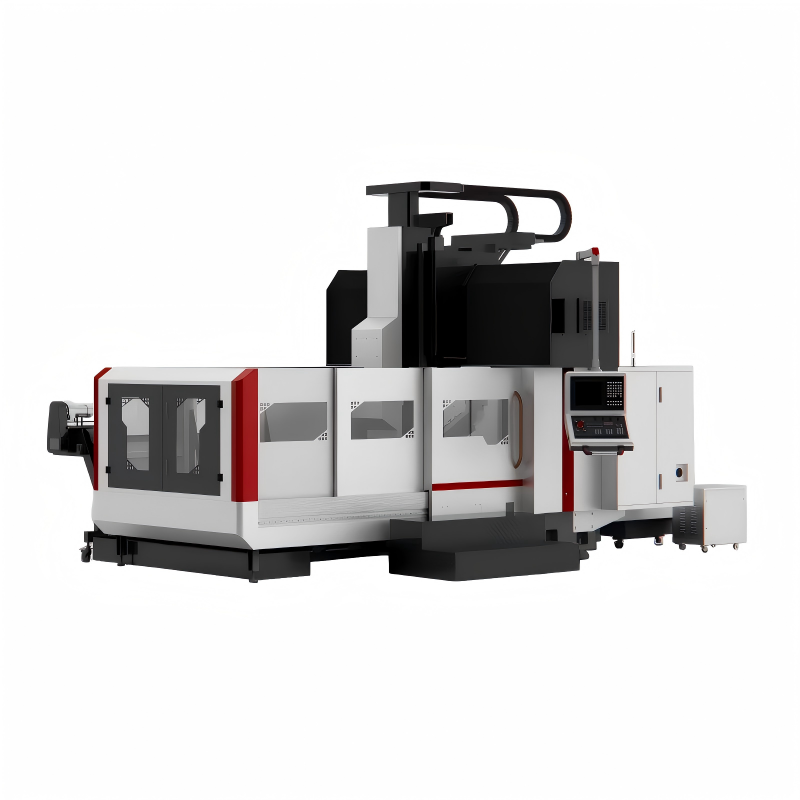
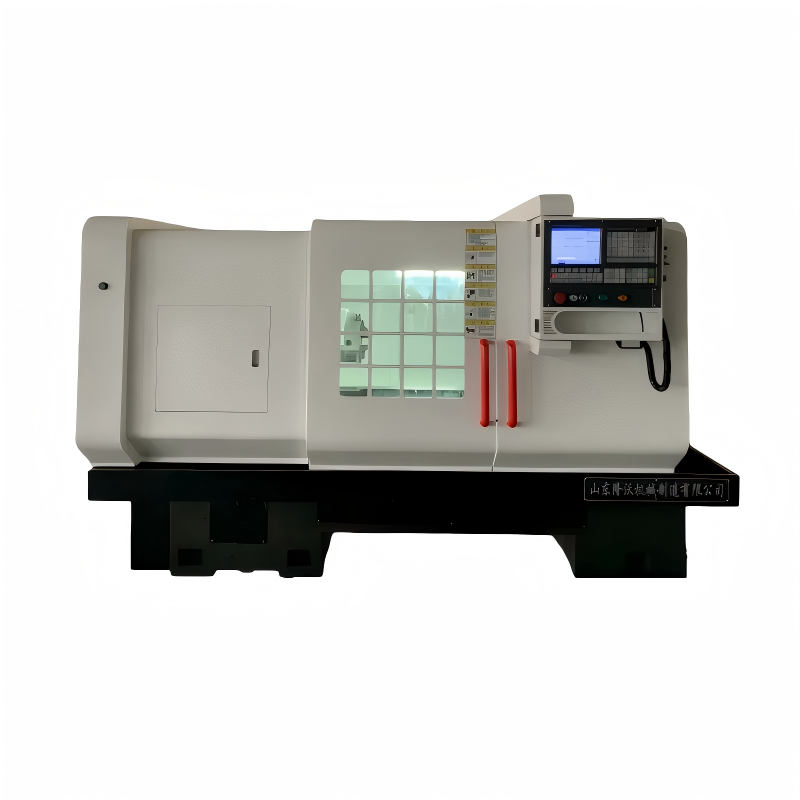
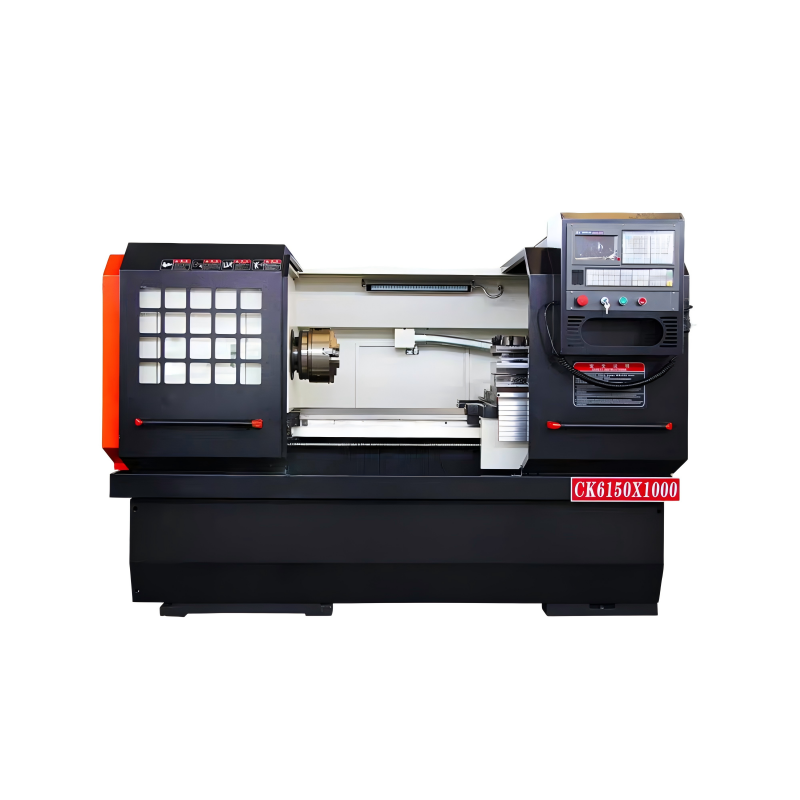
A 3 axis Vertical Machining Center is a fundamental piece of equipment in modern manufacturing, designed for the precision cutting and shaping of materials. This type of machine tool operates on three primary axes: X, Y, and Z, which allow it to move linearly along these dimensions, enabling a wide range of operations from drilling and milling to tapping and boring. The versatility and accuracy of 3 Axis Vertical Machining Centers make them indispensable in industries such as aerospace, automotive, and general engineering, where complex parts with tight tolerances are required.
Understanding how each axis contributes to the overall functionality of a 3 axis vertical machining center is crucial for optimizing its performance. The X-axis typically controls horizontal movement, while the Y-axis manages front-to-back motion. Finally, the Z-axis dictates up-and-down movements, allowing the spindle to approach or retreat from the workpiece. Together, these coordinated movements enable the machine to perform intricate tasks, ensuring that components can be machined to exact specifications. This level of control is essential not only for achieving high precision but also for reducing material waste and improving production efficiency.
The effectiveness of a 3 axis vertical machining center hinges upon several key components working in harmony. The spindle, which rotates at high speeds, holds the cutting tools and is responsible for the actual machining process. The bed, or base, provides stability and supports the entire structure, including the worktable where the material is clamped. The control system, often computerized, guides the movement of the axes based on pre-programmed instructions, ensuring consistent and repeatable results. Additionally, advanced features like automatic tool changers (ATCs) and coolant systems enhance the machine's capabilities, making it possible to handle a broader range of materials and operations without manual intervention.
One of the most significant advantages of using a 3 axis vertical machining center is its ability to produce highly accurate and complex parts with minimal setup time. These machines are capable of performing multiple operations in a single setup, which reduces the need for additional handling and repositioning of the workpiece. This not only saves time but also minimizes the risk of errors. Furthermore, the use of computer-aided design (CAD) and computer-aided manufacturing (CAM) software allows for precise programming, enabling the creation of detailed and intricate designs. The combination of speed, accuracy, and flexibility makes 3 axis vertical machining centers a preferred choice for many manufacturers, especially those dealing with small to medium batch sizes and requiring quick turnaround times.
While 3 axis vertical machining centers offer numerous benefits, they also present certain challenges that must be addressed to ensure optimal performance. One common issue is the potential for tool wear, which can affect the quality and consistency of the machined parts. Regular maintenance, including tool replacement and calibration, is essential to maintain the machine’s accuracy. Another consideration is the selection of appropriate cutting parameters, such as feed rate, speed, and depth of cut, which can significantly impact the surface finish and dimensional accuracy of the final product. Operators must also be well-trained to program and operate the machine, as incorrect settings or improper handling can lead to costly mistakes and downtime. By addressing these challenges, manufacturers can maximize the efficiency and reliability of their 3 axis vertical machining centers.
In conclusion, 3 axis vertical machining centers are powerful and versatile tools that play a critical role in modern manufacturing. Their ability to perform precise and complex operations, coupled with the ease of use and integration with CAD/CAM systems, makes them an invaluable asset in various industries. By understanding the mechanics behind these machines, operators and engineers can better utilize their capabilities, overcome potential challenges, and achieve high-quality results. As technology continues to advance, the 3 axis vertical machining center will likely remain a cornerstone of precision manufacturing, driving innovation and productivity in the years to come.
 24/06/2026
Introduction to 3 Axis Vertical Machining Centers A 3 Axis Vertical Machining Center is a versatile and powerful tool in the manufacturing industry, capable of performing a wide range of machining operations. This type of machine is designed to move along
Read More24/06/2026A Comprehensive Guide to Selecting the Right 3 Axis Vertical Machining CenterChoosing the right 3 axis vertical machining center is a critical decision for any manufacturing operation. These machines are essential for precision and efficiency in a wide ra
Read More24/06/2026Understanding the Core Components of a 3 Axis Vertical Machining CenterA 3 Axis Vertical Machining Center is an essential piece of equipment in many manufacturing and engineering environments, designed to perform a wide range of machining operations with
Read More23/06/2026The 3 Axis Vertical Machining Center (VMC) is a versatile and efficient tool in the world of manufacturing, capable of producing complex parts with high precision. This type of machining center plays a crucial role in various industries, from automotive t
Read More23/06/2026The 3 Axis Vertical Machining Center is a cornerstone in modern manufacturing, providing unparalleled precision and efficiency. This technical report delves into the advanced features and capabilities that make this machine a preferred choice for many ind
Read More23/06/2026In the realm of precision engineering, the role of 3 Axis Vertical Machining Centers (VMCs) is pivotal. These advanced machines have become indispensable in a variety of manufacturing processes, from aerospace to automotive, and from medical devices to co
Read More23/06/2026In the realm of modern manufacturing, the 3 Axis Vertical Machining Center (VMC) stands out as a pivotal tool for precision and efficiency. This report delves into the advantages that 3 Axis VMCs offer, highlighting their significance in contemporary indu
Read MoreOur professional sales team is always ready to assist you.