Vertical CNC Lathes (VCLs) represent a significant advancement in the machining industry, offering unique advantages over their horizontal counterparts. This report aims to delve into the intricate mechanics behind a Vertical CNC Lathe, exploring its design, operation, and applications.
Design and Construction of a Vertical CNC Lathe
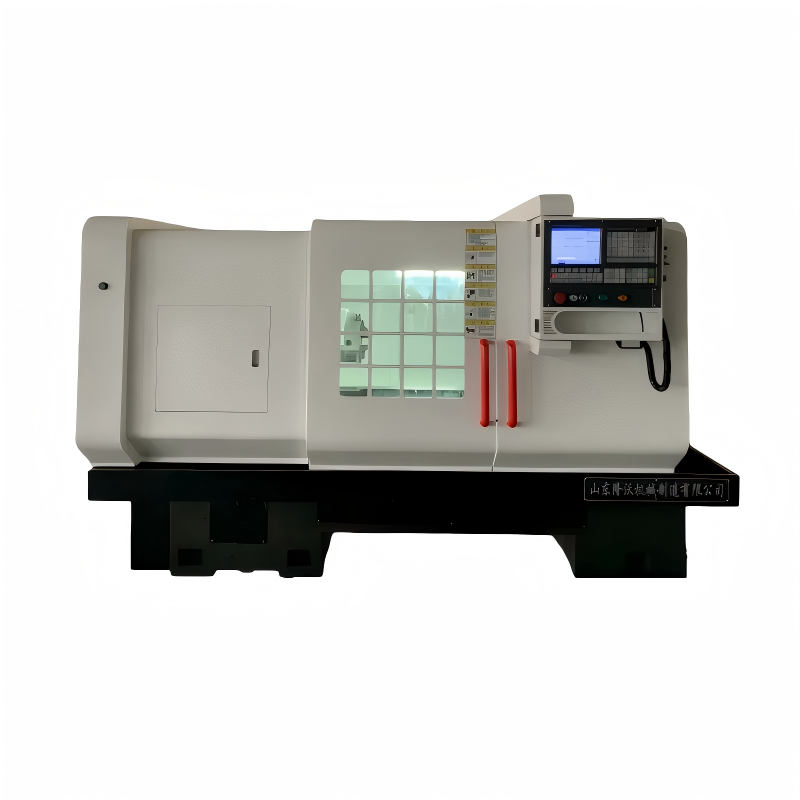
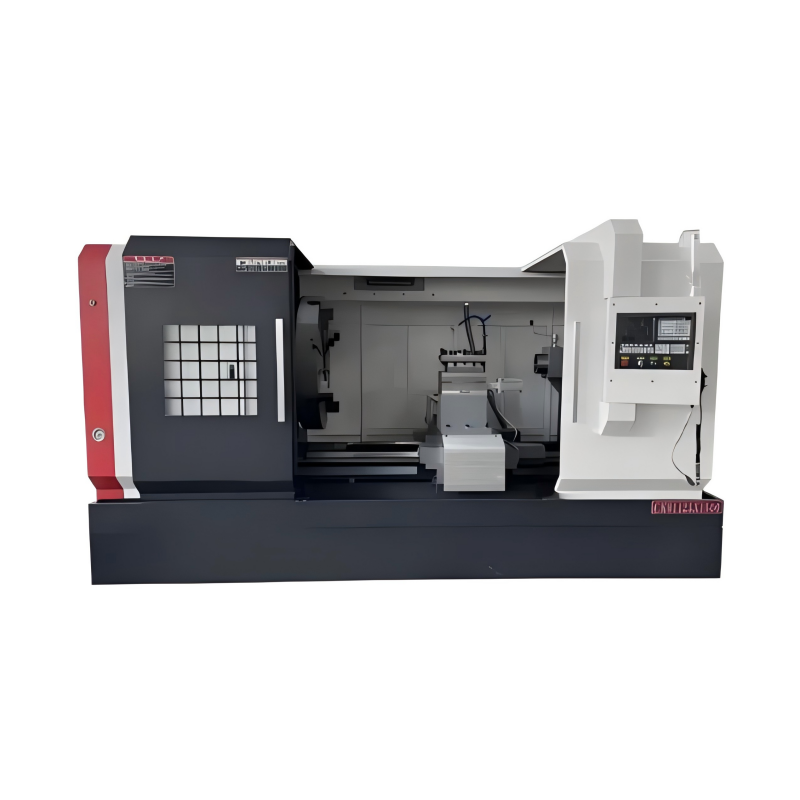
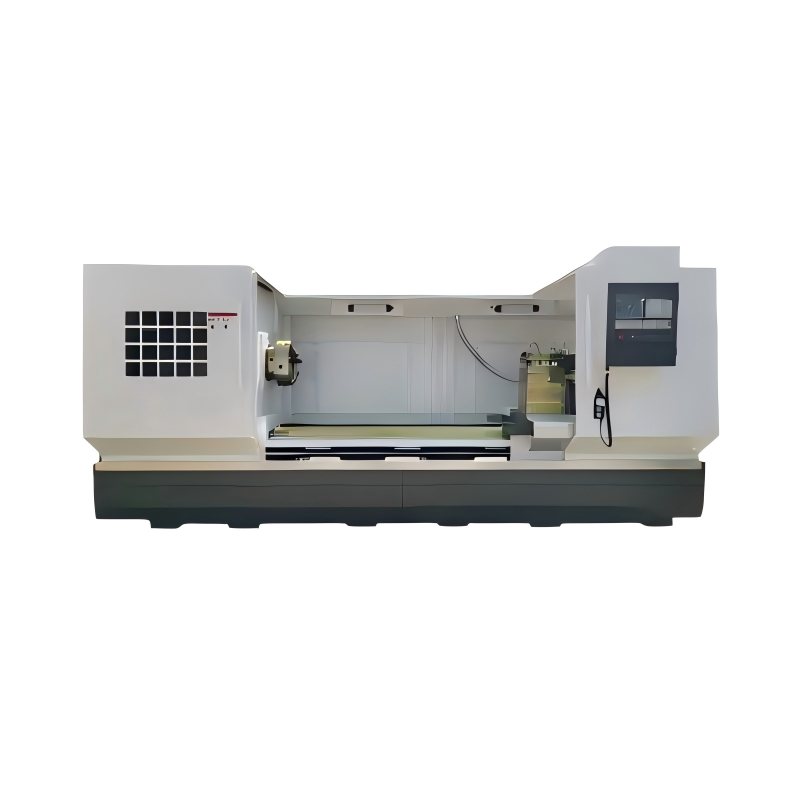
The fundamental design of a Vertical CNC Lathe is centered around a vertical orientation, which significantly impacts how materials are processed. Unlike horizontal lathes, where the workpiece is held horizontally between centers or in a chuck, VCLs position the workpiece vertically. This configuration allows for better chip evacuation and improved access to the part, especially for large or heavy components. The machine's base is typically robust and stable, providing a solid foundation that minimizes vibrations during operation. The spindle, which rotates the workpiece, is mounted on a vertical axis, allowing for precise and controlled movement. The tooling system, including the turret and tool holders, is designed to be highly flexible, enabling the use of various cutting tools and operations such as turning, facing, and threading.
Operational Mechanics and Control Systems
The operational mechanics of a Vertical CNC Lathe are driven by advanced control systems that ensure precision and efficiency. The core of these systems is the CNC (Computer Numerical Control) unit, which interprets the G-code instructions and translates them into precise movements of the machine's components. The spindle motor, powered by a high-torque drive, rotates the workpiece at the specified speed and direction. The tool turret, equipped with multiple stations, can quickly switch between different cutting tools, reducing setup times and increasing productivity. Linear guides and ball screws facilitate the smooth and accurate movement of the carriage and cross-slide, allowing for fine adjustments and maintaining tight tolerances. Feedback sensors, such as encoders and proximity switches, provide real-time data to the control system, ensuring that the machine operates within the desired parameters and maintaining the quality of the machined parts.
Advantages and Applications of Vertical CNC Lathes
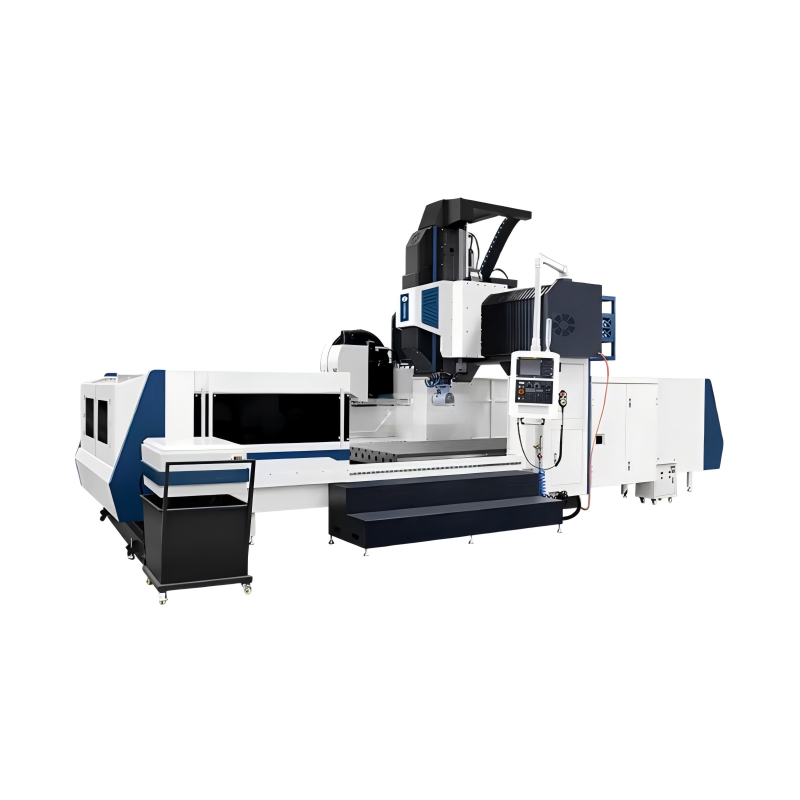
Vertical CNC Lathes offer several advantages that make them particularly suitable for specific applications. One of the key benefits is their ability to handle large and heavy workpieces more efficiently than horizontal lathes. The vertical orientation provides better support and stability, reducing the risk of deflection and improving the accuracy of the machined parts. Additionally, the design allows for easier loading and unloading of the workpiece, which is especially beneficial in high-volume production environments. The improved chip evacuation in VCLs also contributes to a cleaner and more efficient machining process, reducing the likelihood of chip buildup and potential damage to the machine. These machines are widely used in industries such as aerospace, automotive, and heavy machinery, where the precision and reliability of the machined components are critical. They are also well-suited for applications requiring complex geometries and multi-axis machining, as the vertical configuration allows for greater flexibility in tooling and part manipulation.
In conclusion, the Vertical CNC Lathe is a sophisticated and versatile machine that leverages advanced mechanical and control systems to achieve high-precision machining. Its unique design and operational characteristics make it an indispensable tool in modern manufacturing, offering significant advantages in terms of handling large workpieces, improving chip management, and enhancing overall productivity.
 28/06/2026



