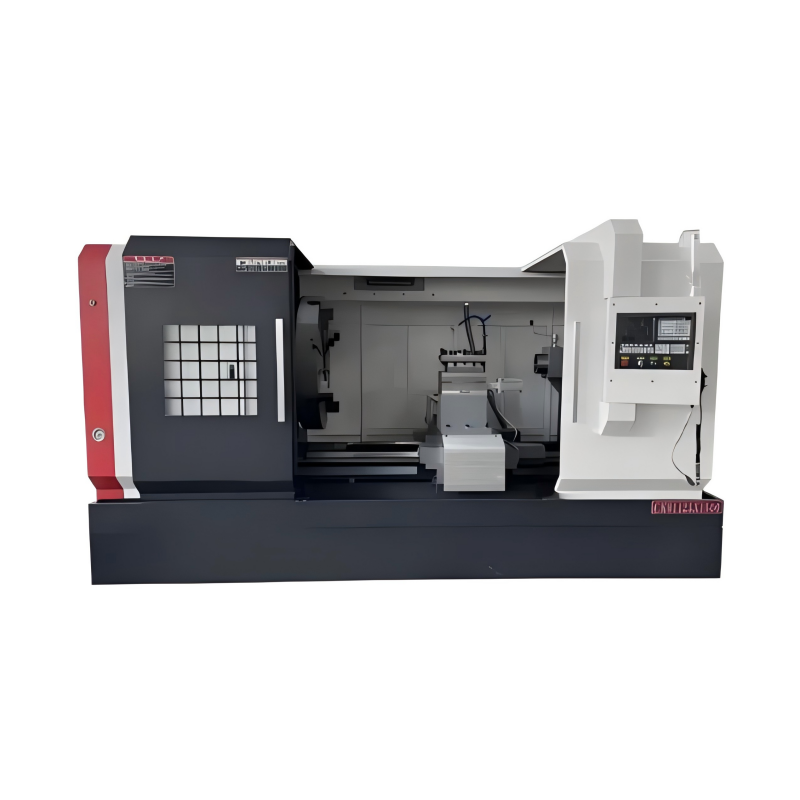
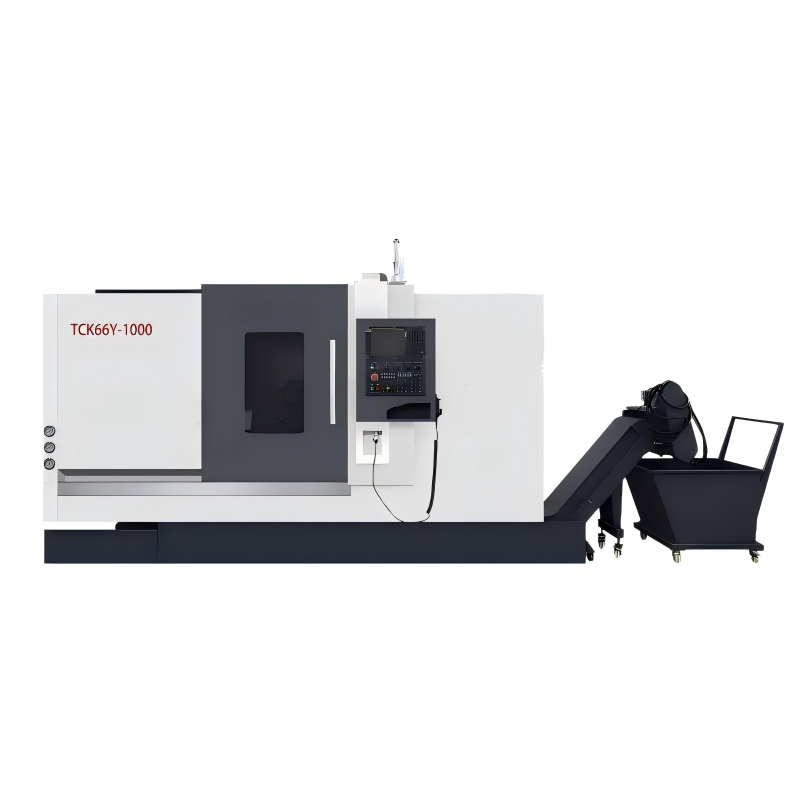
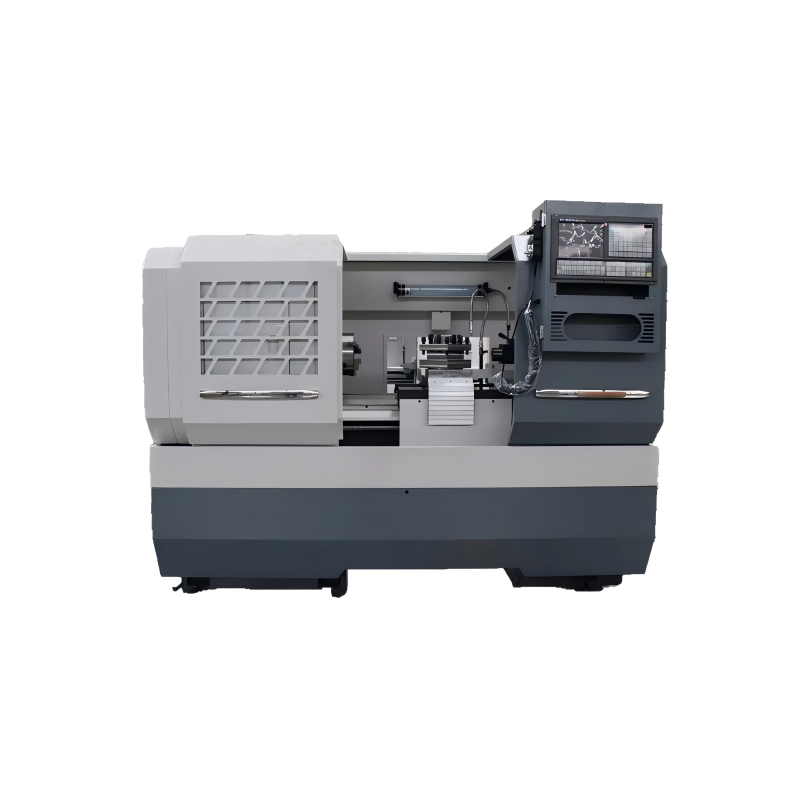
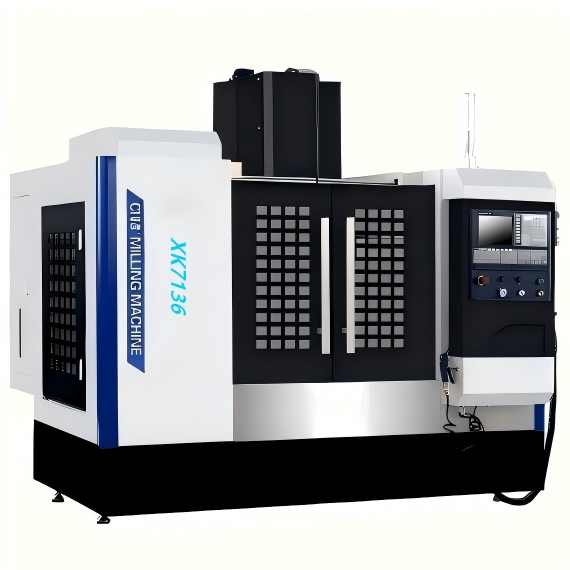
Precision CNC turning machines are essential tools in the manufacturing industry, enabling high-accuracy and efficient production of complex parts. This technical report aims to provide a comprehensive understanding of the mechanics behind these machines, highlighting their key components, operational principles, and the advancements that have driven their evolution.
A Precision CNC Turning Machine is a type of computer numerical control (CNC) machine designed for precise and efficient machining of cylindrical parts. These machines use a combination of cutting tools and rotational motion to shape workpieces, ensuring high accuracy and repeatability. The core components of a precision CNC turning machine include the spindle, tool turret, guideways, and the control system. Each component plays a crucial role in the overall performance of the machine.
The operational mechanics of a precision CNC turning machine involve several key processes. The spindle, which holds the workpiece, rotates at high speeds, while the cutting tool, mounted on the tool turret, moves along multiple axes to remove material. The guideways ensure smooth and accurate movement of the tool and workpiece. The control system, typically a computer, manages the entire process by translating digital designs into specific movements and operations. This integration of mechanical and electronic systems allows for precise control over the machining process, enabling the creation of intricate and highly accurate parts.
Over the years, significant advancements in technology have enhanced the capabilities of precision CNC turning machines. One major development is the introduction of multi-axis machines, which can perform multiple operations simultaneously, reducing setup times and increasing productivity. Additionally, the use of advanced materials and coatings for cutting tools has improved tool life and machining efficiency. Another notable advancement is the integration of real-time monitoring and feedback systems, which help in maintaining optimal performance and minimizing errors. These technological advancements have not only increased the precision and speed of CNC turning but also expanded the range of applications and materials that can be machined.
Despite their many advantages, precision CNC turning machines face certain challenges. One common issue is the need for regular maintenance and calibration to ensure consistent performance. To address this, manufacturers have developed more robust and user-friendly maintenance protocols. Another challenge is the complexity of programming and operating these machines, which requires skilled operators. Training programs and intuitive software interfaces have been introduced to simplify the learning curve and improve operator efficiency. Finally, the cost of acquiring and maintaining these machines can be high, but the long-term benefits in terms of quality and productivity often justify the investment.
The future of precision CNC turning machines looks promising, with ongoing research and development aimed at further improving their capabilities. One trend is the integration of artificial intelligence (AI) and machine learning (ML) to optimize machining parameters and predict potential issues before they occur. Another area of focus is the development of more sustainable and eco-friendly machining processes, such as the use of renewable energy sources and the reduction of waste. Additionally, the advent of Industry 4.0 and the Internet of Things (IoT) is expected to bring about greater connectivity and automation, making CNC turning machines even more efficient and versatile.
In conclusion, precision CNC turning machines are vital in modern manufacturing, offering unparalleled precision and efficiency. Understanding the mechanics behind these machines, including their key components, operational principles, and technological advancements, is crucial for maximizing their potential. As the industry continues to evolve, staying informed about the latest trends and innovations will be key to leveraging the full capabilities of precision CNC turning machines.
 01/07/2026
The advent of Precision CNC Turning Machine has revolutionized the manufacturing industry, enabling higher accuracy and efficiency in the production of complex parts. This report delves into the capabilities of these machines, exploring their operational
Read More01/07/2026In the realm of modern manufacturing, Precision CNC Turning Machine plays a pivotal role in achieving high-precision and efficient production. These machines are designed to deliver exceptional accuracy and repeatability, making them indispensable for ind
Read More01/07/2026In today's rapidly evolving manufacturing landscape, the adoption of advanced technologies has become imperative for businesses seeking to maintain a competitive edge. Among these technologies, the Precision CNC Turning Machine stands out as a critical to
Read More01/07/2026The advancement of manufacturing technology has seen the rise of precision engineering, with one of its most prominent tools being the Precision CNC Turning Machine. This machine plays a critical role in producing high-accuracy components for various indu
Read More30/06/2026The advent of Precision CNC Turning Machines has marked a significant shift in the manufacturing industry, offering unparalleled accuracy and efficiency. These machines have not only streamlined production processes but also opened up new possibilities fo
Read More30/06/2026In today's fast-paced manufacturing environment, the demand for high-precision components is on the rise. One of the most reliable solutions to meet this demand is the use of a Precision CNC Turning Machine. This advanced piece of equipment not only ensur
Read More30/06/2026In the realm of modern manufacturing, the Precision CNC Turning Machine has emerged as a pivotal tool, revolutionizing the way we produce intricate and precise components. This comprehensive guide aims to provide an in-depth understanding of these machine
Read MoreOur professional sales team is always ready to assist you.