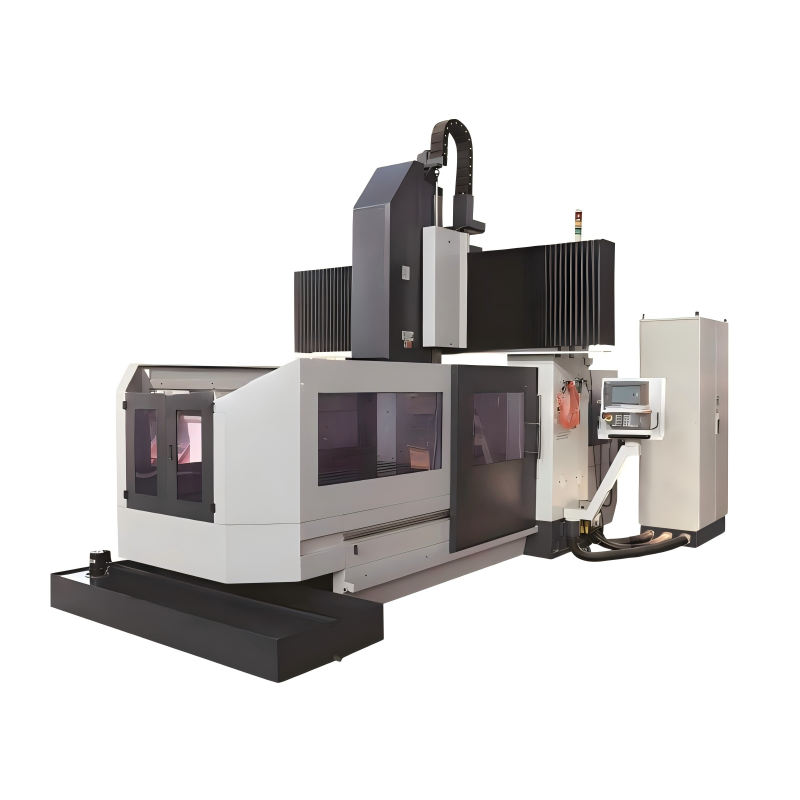
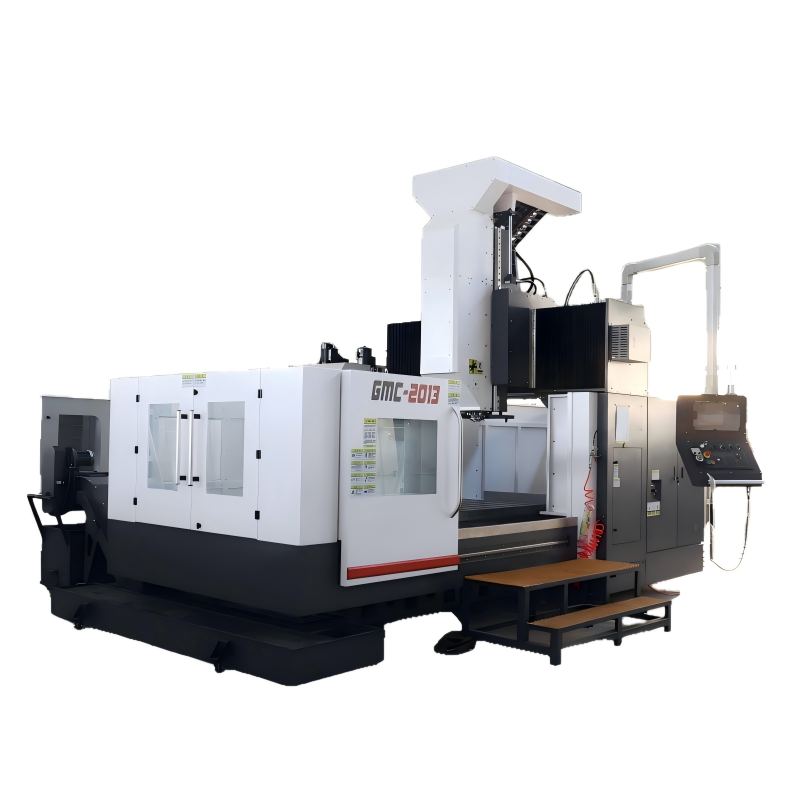
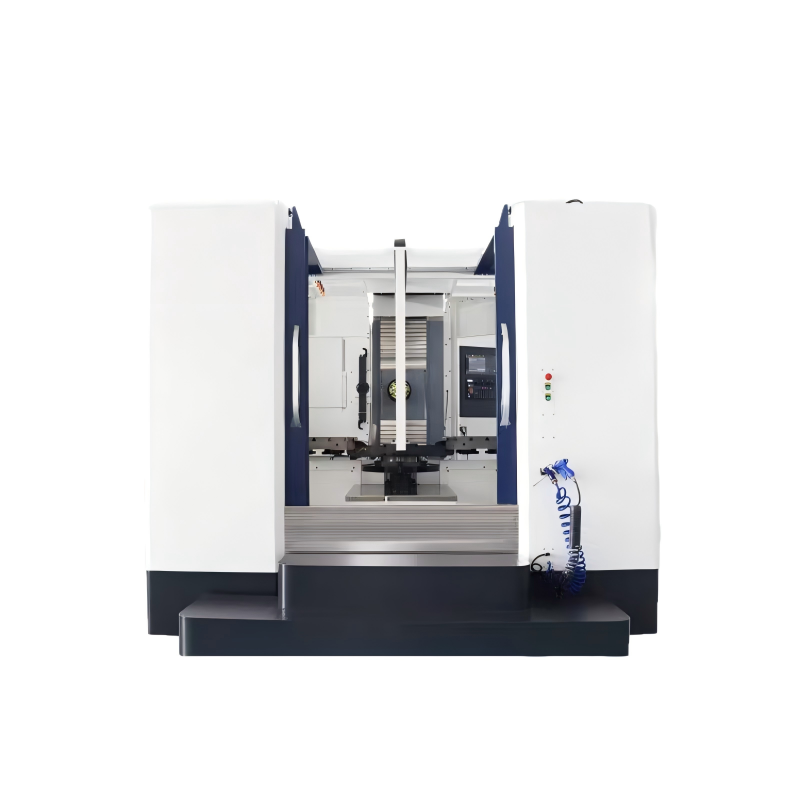
The advent of Precision CNC Turning Machine has revolutionized the manufacturing industry, enabling higher accuracy and efficiency in the production of complex parts. This report delves into the capabilities of these machines, exploring their operational principles, advantages, and applications across various industries.
Understanding the Operational Principles of Precision CNC Turning Machines
Precision CNC (Computer Numerical Control) turning machines operate on the principle of automated control through pre-programmed software. These machines use a subtractive manufacturing process, where material is removed from a workpiece to create a final product. The CNC system controls the movement of the cutting tool along multiple axes, allowing for intricate and precise cuts. Unlike traditional manual lathes, which rely on human skill and precision, CNC turning machines can execute complex operations with minimal human intervention, ensuring consistent quality and reducing the margin of error.
Advantages of Using Precision CNC Turning Machines
The adoption of Precision CNC Turning Machines offers several advantages over conventional machining methods. Firstly, these machines provide unparalleled accuracy and repeatability. The computer-controlled system ensures that each part is manufactured to exact specifications, even in large-scale production runs. Secondly, CNC turning machines are highly versatile, capable of handling a wide range of materials, including metals, plastics, and composites. This versatility makes them suitable for various applications, from aerospace components to medical devices. Additionally, the automation provided by CNC technology significantly reduces labor costs and increases productivity, as the machines can operate continuously without breaks.
Applications of Precision CNC Turning Machines in Various Industries
The capabilities of Precision CNC Turning Machines make them indispensable in numerous industries. In the automotive sector, these machines are used to produce high-precision engine components, such as pistons, valves, and gears. The aerospace industry relies on CNC turning to manufacture critical parts, such as turbine blades and structural components, where tight tolerances and high-quality finishes are essential. In the medical field, CNC turning is employed to create implants, surgical instruments, and other precision devices. The electronics industry also benefits from the precision and consistency of CNC turning, using it to produce connectors, enclosures, and other small, intricate parts. Furthermore, the energy sector utilizes CNC turning machines to fabricate components for power generation and distribution systems, ensuring reliable and efficient operation.
Technological Advancements in Precision CNC Turning Machines
Recent advancements in technology have further enhanced the capabilities of Precision CNC Turning Machines. One significant development is the integration of advanced sensors and real-time monitoring systems. These technologies enable the machine to detect and correct deviations during the machining process, ensuring optimal performance and minimizing waste. Another advancement is the use of artificial intelligence (AI) and machine learning algorithms, which can optimize tool paths and cutting parameters, leading to improved efficiency and reduced wear on the cutting tools. Additionally, the incorporation of multi-axis machining capabilities allows for the production of more complex geometries, expanding the range of applications for CNC turning machines.
Economic and Environmental Benefits of Precision CNC Turning Machines
Beyond their technical advantages, Precision CNC Turning Machines offer significant economic and environmental benefits. Economically, the increased efficiency and reduced labor costs lead to lower overall production costs, making these machines a cost-effective solution for manufacturers. Environmentally, CNC turning machines contribute to sustainability by minimizing material waste and reducing the need for rework. The ability to program and simulate the machining process before actual production helps in optimizing material usage and reducing the carbon footprint associated with manufacturing. Furthermore, the use of energy-efficient motors and advanced cooling systems in modern CNC turning machines further enhances their environmental credentials.
In conclusion, Precision CNC Turning Machines play a crucial role in modern manufacturing, offering unparalleled precision, versatility, and efficiency. Their applications span across multiple industries, and ongoing technological advancements continue to expand their capabilities. As the demand for high-precision, high-quality parts grows, the importance of these machines in the manufacturing landscape will only increase.

 01/07/2026



