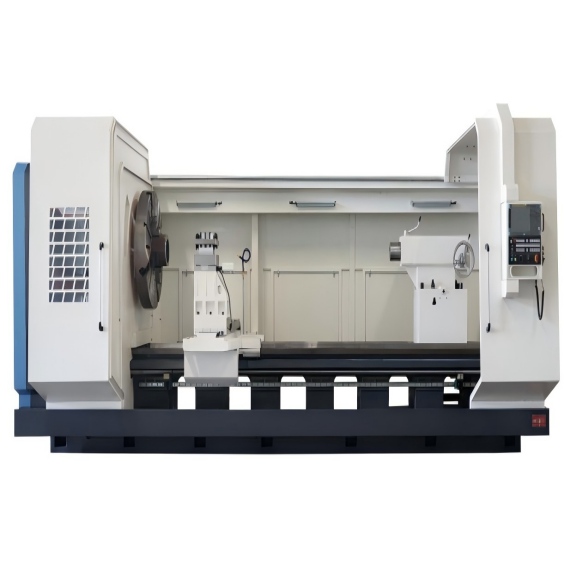
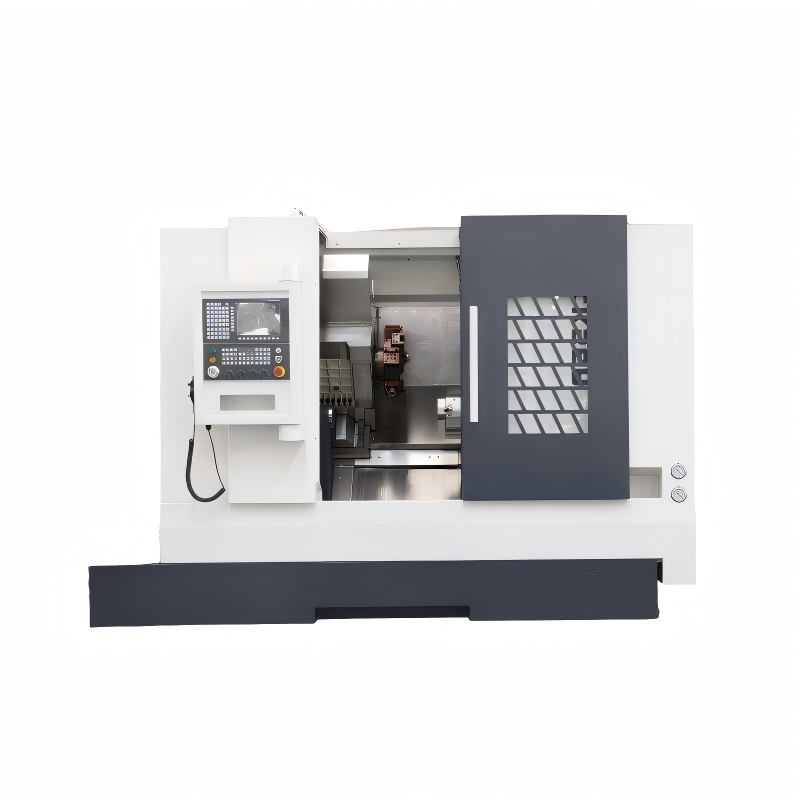
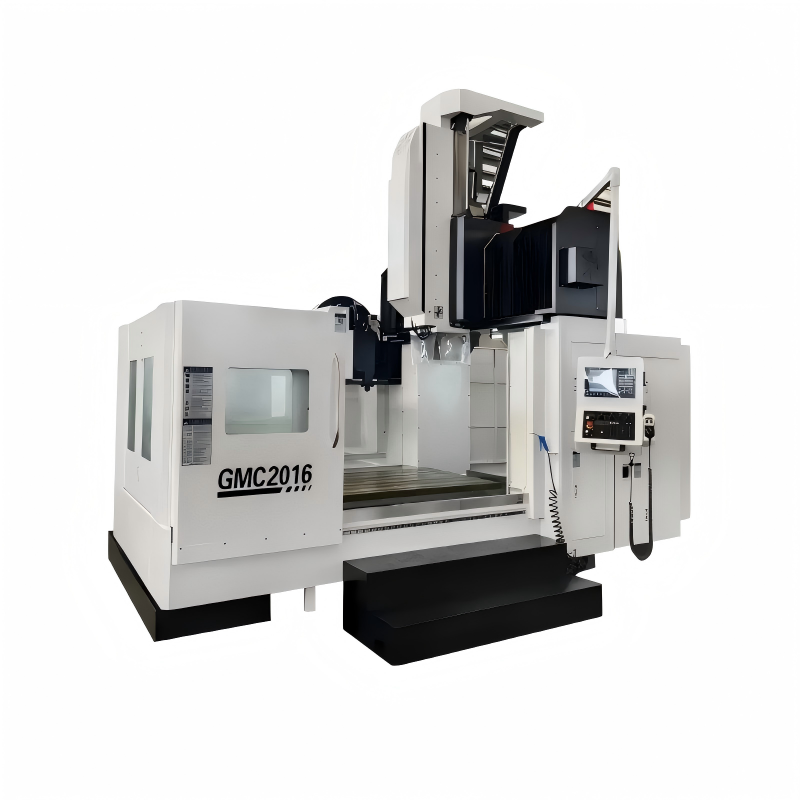
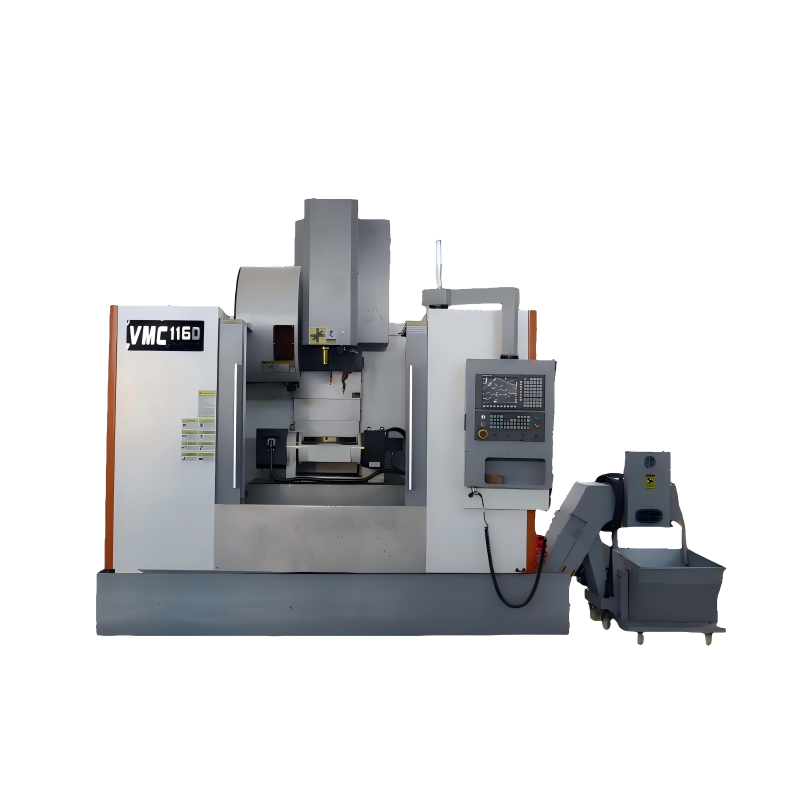
When it comes to selecting the right VMC (Vertical Machining Center) machine for your manufacturing needs, a well-structured Request for Quotation VMC Machine process is essential. This guide aims to provide you with a comprehensive understanding of how to navigate through this process, ensuring that you make an informed decision that aligns with your specific requirements and budget.
The first step in choosing the right VMC machine involves a thorough assessment of your manufacturing needs. This includes evaluating the types of materials you will be working with, the complexity of the parts you need to produce, and the volume of production. For instance, if you are dealing with high-volume production of simple parts, a VMC with fast tool change capabilities and high spindle speeds might be more suitable. Conversely, for complex, low-volume parts, a VMC with advanced features such as 5-axis capability and high precision might be necessary.
It's also important to consider the size of the workpieces you will be machining. The table size and travel range of the VMC should accommodate the largest workpiece you plan to machine. Additionally, the rigidity and stability of the machine play a crucial role in maintaining accuracy and surface finish quality, especially for heavy-duty applications.
Once you have a clear understanding of your manufacturing needs, the next step is to evaluate the technical specifications and features of potential VMC machines. Key factors to consider include:
By carefully evaluating these technical specifications, you can ensure that the VMC machine you choose is well-suited to your specific manufacturing requirements.
Budget is a critical factor in the selection process, but it's equally important to consider the total cost of ownership (TCO) over the machine's lifespan. While the initial purchase price is a significant component, other costs such as maintenance, consumables, and energy consumption should also be factored in.
To get a comprehensive view of the TCO, request detailed information from the supplier, including:
By considering the TCO, you can make a more informed decision that balances initial investment with long-term operational costs.
Once you have identified the key technical and financial considerations, the next step is to select potential vendors and initiate the Request for Quotation VMC Machine process. Here are some steps to follow:
By following a structured and thorough RFQ process, you can ensure that you select the right VMC machine that meets your manufacturing requirements and provides the best value for your investment.
Selecting the right VMC machine for your manufacturing needs is a critical decision that requires careful consideration of various factors. By understanding your specific requirements, evaluating technical specifications and features, considering the total cost of ownership, and following a structured RFQ process, you can make an informed decision that maximizes productivity, efficiency, and profitability.
Remember, the key to success lies in a well-thought-out approach that balances immediate needs with long-term goals. With the right VMC machine, you can achieve superior machining results and drive your business forward.
 01/07/2026
When it comes to the manufacturing industry, the efficiency and precision of the machinery used play a crucial role in determining the success of production processes. A Request for Quotation (RFQ) VMC Machine is often at the heart of these operations, pr
Read More01/07/2026In the manufacturing and engineering sectors, a Request for Quotation (RFQ) for a Vertical Machining Center (VMC Machine) is a critical document. It serves as the foundation for initiating discussions between buyers and suppliers regarding potential purch
Read More30/06/2026When considering the purchase of a Vertical Machining Center (VMC) machine, it's crucial to conduct a thorough evaluation of its capabilities to ensure that the investment aligns with your specific manufacturing needs. This report aims to guide you throug
Read More30/06/2026When it comes to acquiring a Vertical Machining Center (VMC) machine, the process of Request for Quotation VMC Machine is an essential step. This document not only serves as a means to obtain pricing information but also as a tool to ensure that the machi
Read More30/06/2026While the primary focus of this document is on exploring The Role of a Turning Lathe Machine in Modern Machining, it's important to note that many manufacturing processes often involve multiple types of machines, including VMC (Vertical Machining Center)
Read More30/06/2026Understanding the intricate workings of a Universal Milling Machine (UMC) is crucial for any manufacturer or engineer. This comprehensive guide aims to provide an in-depth exploration into the operational aspects, maintenance, and procurement processes as
Read More30/06/2026Understanding the Essentials of Request for Quotation VMC Machine is crucial for any manufacturing or engineering firm aiming to optimize their production processes through the acquisition of a Vertical Machining Center (VMC). A VMC machine represents an
Read More30/06/2026When it comes to acquiring a Vertical Machining Center (VMC) machine, the process of selecting the right supplier and model can be complex. A well-structured Request for Quotation (RFQ) plays an essential role in ensuring that you not only get the best va
Read More29/06/2026Understanding the Basics of VMC MachinesVertical Machining Centers (VMCs) are a type of CNC (Computer Numerical Control) machine that plays an indispensable role in various manufacturing processes. They are characterized by their vertical spindle orientat
Read More28/06/2026Understanding the Importance of a Request for Quotation (RFQ) in VMC Machine AcquisitionIn the world of manufacturing, the acquisition of high-precision machinery such as Vertical Machining Centers (VMC) is a critical investment. A well-prepared Request f
Read More27/06/2026When it comes to acquiring a VMC (Vertical Machining Center) machine, the process of Request for Quotation plays a critical role in ensuring that you get the best possible deal. This document serves as a guide, highlighting key considerations that should
Read More27/06/2026Understanding the Importance of Precision in VMC Machine SpecificationsWhen initiating a Request for Quotation (RFQ) for a Vertical Machining Center (VMC) machine, one of the most critical aspects is ensuring that all specifications are clearly and accura
Read More27/06/2026In today's competitive manufacturing landscape, the procurement of high-quality VMC (Vertical Machining Center) machines is a critical aspect that can significantly impact an organization's operational efficiency and cost structure. A strategic approach t
Read More27/06/2026In the realm of manufacturing, acquiring a Vertical Machining Center (VMC) machine is not just about choosing any available model; it's about finding the right fit for your specific needs. A well-structured Request for Quotation (RFQ) for a VMC Machine ca
Read More26/06/2026Requesting a quotation for VMC (Vertical Machining Center) machines is a critical step in the procurement process, especially for manufacturing and engineering firms. The right VMC machine can significantly enhance productivity and efficiency, but selecti
Read More26/06/2026The Significance of Precise Specifications in Request for Quotation VMC MachineWhen it comes to acquiring a Vertical Machining Center (VMC) machine, the accuracy and comprehensiveness of the Request for Quotation (RFQ) play a critical role in ensuring tha
Read More26/06/2026In today's competitive manufacturing landscape, the efficiency and precision of Vertical Machining Centers (VMC) play a crucial role in determining the success of production processes. A well-structured Request for Quotation (RFQ) for VMC machines can sig
Read More26/06/2026When it comes to acquiring a Vertical Machining Center (VMC) machine, submitting a Request for Quotation (RFQ) is a critical step in ensuring that you receive the best possible offer from suppliers. This process, if done correctly, can significantly strea
Read More25/06/2026Understanding the process of requesting a VMC (Vertical Machining Center) machine quotation is crucial for businesses looking to optimize their manufacturing processes. This guide aims to provide a comprehensive overview, from identifying the need for a V
Read More25/06/2026Request for Quotation (RFQ) processes are a cornerstone of procurement, especially in the context of acquiring complex machinery such as VMC (Vertical Machining Center) machines. These requests not only facilitate the acquisition of equipment but also ser
Read More25/06/2026When it comes to acquiring a VMC (Vertical Machining Center) machine, initiating a Request for Quotation is the first step in ensuring that you not only get the best deal but also a machine that meets all your specific needs. This document serves as a gui
Read More25/06/2026VMC machines, or Vertical Machining Centers, are essential in the manufacturing industry for their versatility and precision. However, acquiring a VMC machine can be a complex process, involving numerous steps and considerations. A well-structured Request
Read More24/06/2026When it comes to acquiring a Vertical Machining Center (VMC) machine, the process of obtaining a Request for Quotation (RFQ) is a critical step. This document not only helps in comparing different VMC machines but also ensures that you get the best value
Read More24/06/2026When it comes to acquiring a VMC (Vertical Machining Center) machine, the process of communicating your needs effectively in a Request for Quotation (RFQ) is crucial. A well-crafted RFQ not only helps suppliers understand your requirements but also ensure
Read More24/06/2026When it comes to acquiring a Vertical Machining Center (VMC) machine, the process of requesting a quotation is a critical step. This document aims to explore the role of detailed specifications in a VMC Machine Quotation Request, emphasizing how comprehen
Read More24/06/2026Understanding the Basics of VMC Machine and RFQThe process of acquiring a Vertical Machining Center (VMC) machine for industrial or manufacturing purposes often begins with a Request for Quotation (RFQ). This document is crucial as it lays out all the nec
Read More23/06/2026The process of acquiring a Vertical Machining Center (VMC) machine involves several critical steps, one of the most important being the Request for Quotation (RFQ). This document serves as a formal invitation to potential suppliers or manufacturers to bid
Read More23/06/2026In today's manufacturing landscape, the acquisition of a Vertical Machining Center (VMC) machine is a significant investment that requires careful planning and consideration. A well-crafted Request for Quotation (RFQ) can make all the difference in securi
Read More23/06/2026In today's rapidly evolving manufacturing landscape, the acquisition of high-precision machinery such as VMC (Vertical Machining Center) machines is crucial for businesses aiming to stay competitive. The process of acquiring these machines, however, can b
Read More23/06/2026In the realm of manufacturing and engineering, precision and efficiency are paramount. One such area where these qualities come to the fore is in the procurement of Vertical Machining Centers (VMC). A Request for Quotation (RFQ) serves as a critical docum
Read MoreOur professional sales team is always ready to assist you.