The advancement of manufacturing technology has seen the rise of precision engineering, with one of its most prominent tools being the Precision CNC Turning Machine. This machine plays a critical role in producing high-accuracy components for various industries, from aerospace to automotive. Understanding how precision impacts the operations of a CNC Turning Machine is essential not only for manufacturers but also for those who rely on these machines' outputs.
Understanding the Basics: What is a Precision CNC Turning Machine?
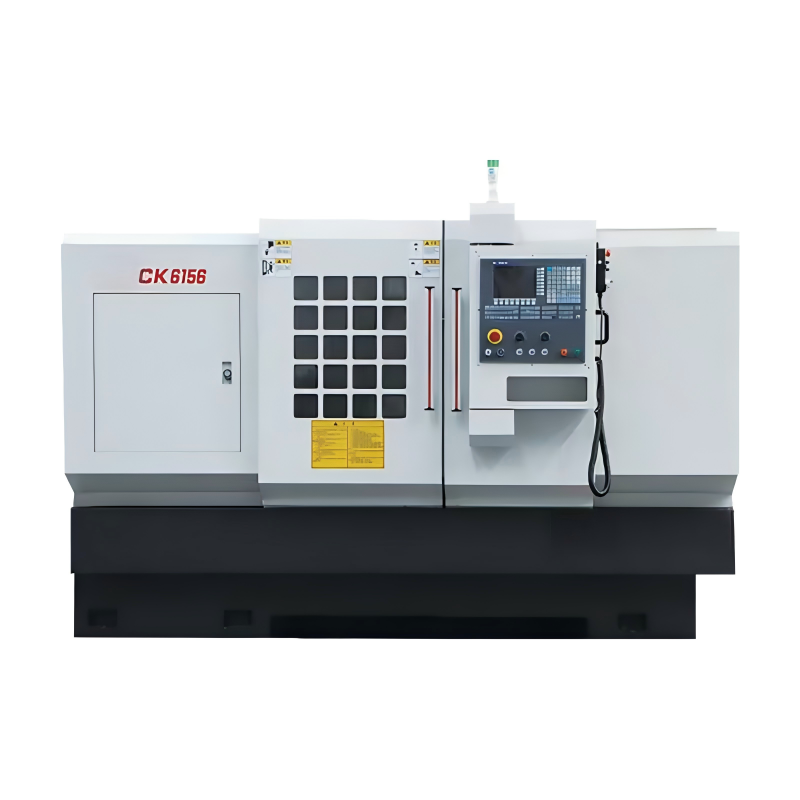
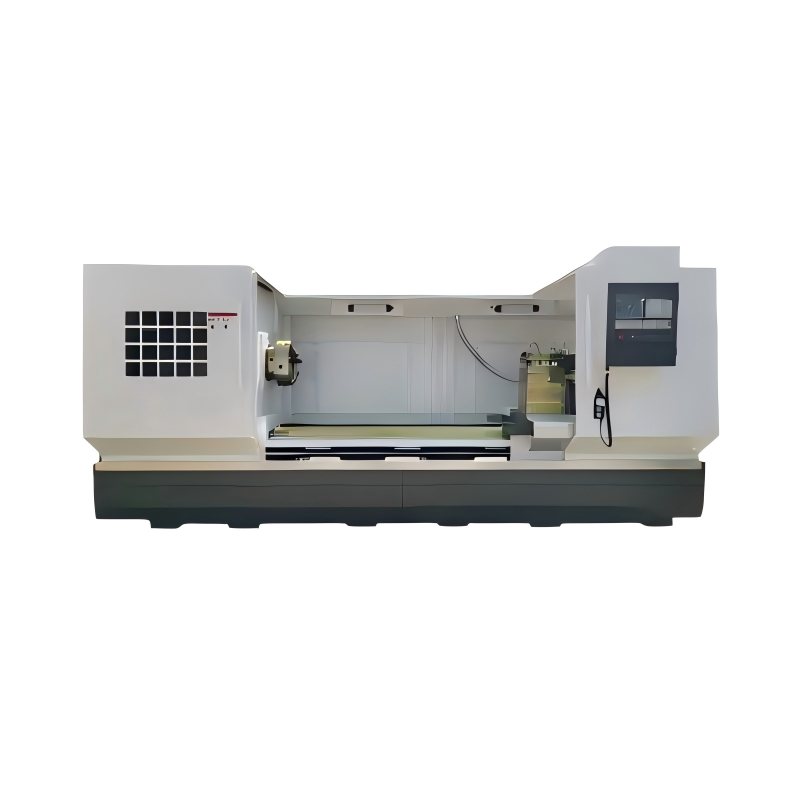
A Precision CNC (Computer Numerical Control) Turning Machine is a type of lathe that uses computer-controlled movements to cut and shape materials into precise parts or components. Unlike traditional lathes, which are manually operated, CNC turning machines follow pre-programmed instructions to achieve consistent and accurate results. The term "precision" in this context refers to the ability of the machine to produce parts within extremely tight tolerances, often measured in microns. This level of accuracy is crucial for applications where even the slightest deviation can lead to significant performance issues or safety concerns.
The Importance of High Precision in Manufacturing
In today’s competitive industrial landscape, achieving high precision in manufacturing processes is no longer just an option; it is a necessity. With the increasing demand for more efficient, reliable, and safer products, manufacturers must ensure their components meet stringent quality standards. A Precision CNC Turning Machine allows for the creation of parts with minimal variation, ensuring consistency across large production runs. This not only enhances the overall quality of the final product but also reduces waste and costs associated with rework or scrap material. Moreover, high-precision parts contribute to the longevity and reliability of the systems they are part of, thereby improving customer satisfaction and brand reputation.
Factors Influencing Precision in CNC Turning Operations
To fully leverage the capabilities of a Precision CNC Turning Machine, several factors need to be considered:
- Machine Calibration: Regular calibration of the machine ensures that all axes and spindles operate at optimal levels, maintaining the required level of precision throughout the machining process.
- Tool Quality and Selection: The choice and condition of cutting tools significantly impact the outcome of the operation. High-quality tools, properly selected for the material being worked on, can greatly enhance both the speed and accuracy of the process.
- Material Properties: Different materials have varying characteristics that affect how they respond to machining. Understanding these properties and adjusting the machining parameters accordingly is key to achieving the desired precision.
- Programming Accuracy: The effectiveness of a CNC turning operation heavily relies on the accuracy of the program used to control the machine. Errors in programming can lead to imprecise cuts, affecting the final product's quality.
By carefully managing these factors, operators can maximize the precision of their CNC turning operations, leading to better quality parts and more efficient production processes.
Technological Advancements Enhancing Precision
As technology continues to evolve, so too do the capabilities of Precision CNC Turning Machines. Innovations such as advanced software, improved hardware, and new materials are constantly pushing the boundaries of what is possible in terms of precision. For example, the integration of artificial intelligence (AI) and machine learning (ML) into CNC systems allows for real-time adjustments based on sensor data, further enhancing the accuracy of the machining process. Additionally, advancements in tooling technology, including the development of more durable and sharper cutting edges, contribute to higher precision by reducing wear and tear over time. These technological improvements not only increase the precision achievable with CNC turning machines but also make them more versatile, capable of handling a wider range of materials and complex geometries than ever before.
Conclusion: The Future of Precision CNC Turning Machines
As the demands for precision in manufacturing continue to grow, the role of Precision CNC Turning Machines will only become more critical. By understanding the importance of precision, the factors influencing it, and embracing the latest technological advancements, manufacturers can stay ahead of the curve, delivering high-quality, reliable products that meet or exceed customer expectations. As we move forward, the continuous improvement of these machines promises to open up new possibilities in design and production, driving innovation and excellence across all sectors of industry.

 01/07/2026



