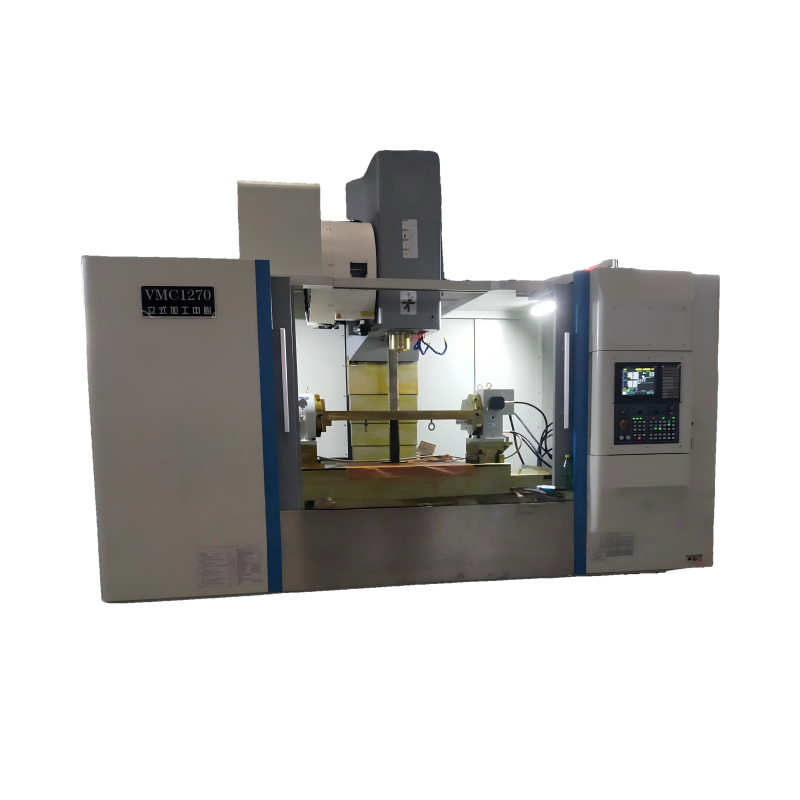
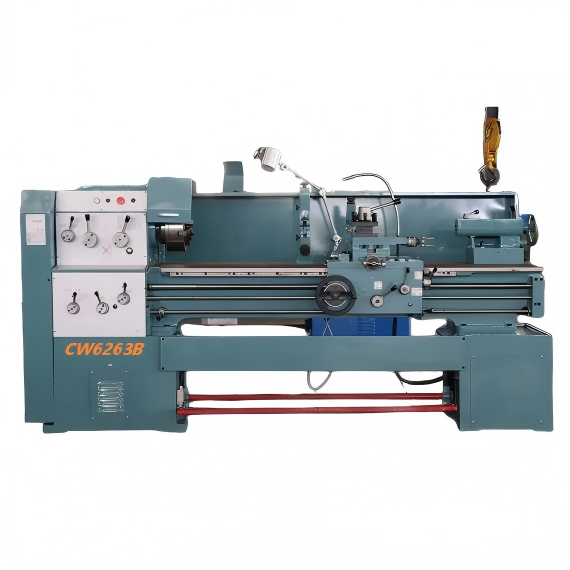
Over the past few decades, the manufacturing industry has witnessed a significant transformation, driven by advancements in technology and the increasing demand for precision and efficiency. One such innovation that stands out is the Small / Mini CNC Turning Center. These machines have become an integral part of modern manufacturing, offering unparalleled flexibility and accuracy in producing small to medium-sized components. The evolution of mini CNC turning centers can be traced back to the early 2000s when manufacturers began to recognize the need for more compact and versatile machining solutions.
Initially, these machines were designed to address specific challenges faced by small and medium enterprises (SMEs) and specialized industries. However, as their capabilities expanded, they found applications across a wide range of sectors, including automotive, aerospace, medical, and electronics. The key to their success lies in their ability to perform complex operations with high precision, while occupying minimal floor space. This makes them ideal for environments where space is at a premium, and production volumes are moderate.
Mini CNC turning centers are equipped with a host of features that set them apart from traditional lathes and larger CNC machines. One of the most notable features is their compact design, which allows for easy integration into existing production lines or small workshops. Despite their size, these machines offer robust performance, thanks to advanced control systems and high-quality construction materials.
Another significant advantage is the level of automation they provide. Modern mini CNC turning centers come with user-friendly interfaces and intuitive programming software, making it easier for operators to set up and run jobs. This not only reduces the learning curve but also minimizes the risk of human error, leading to higher productivity and consistent quality. Additionally, many models include built-in tool changers and automatic workpiece loading/unloading systems, further enhancing their efficiency.
One of the key benefits of mini CNC turning centers is their versatility. They can handle a wide range of materials, from metals like aluminum and steel to plastics and composites. This versatility, combined with their ability to perform multiple operations in a single setup, makes them a cost-effective solution for various manufacturing needs. Furthermore, the use of advanced cutting tools and techniques ensures that even the most intricate designs can be achieved with high precision and surface finish.
The application of mini CNC turning centers spans across several industries, each benefiting from their unique capabilities. In the automotive sector, for instance, these machines are used to produce high-precision parts such as engine components, transmission gears, and brake system parts. The ability to achieve tight tolerances and complex geometries is crucial in this industry, where performance and safety are paramount.
In the aerospace industry, mini CNC turning centers play a vital role in the production of critical components such as turbine blades, fuel nozzles, and structural parts. The stringent requirements for material properties and dimensional accuracy make these machines indispensable. Similarly, in the medical field, they are used to manufacture surgical instruments, orthopedic implants, and dental prosthetics. The precision and repeatability of mini CNC turning centers ensure that these components meet the highest standards of quality and reliability.
The electronics industry also benefits significantly from the use of mini CNC turning centers. Components such as connectors, enclosures, and heat sinks require high precision and often involve working with delicate materials. These machines are well-suited for such tasks, providing the necessary accuracy and flexibility. Additionally, the ability to quickly switch between different jobs and materials makes them ideal for prototyping and small-batch production, which is common in the electronics sector.
Despite their numerous advantages, mini CNC turning centers face certain challenges that need to be addressed. One of the primary concerns is the ongoing need for skilled operators and programmers. While these machines are designed to be user-friendly, they still require a certain level of expertise to operate efficiently. Training programs and continuous education are essential to bridge this skills gap and ensure that the full potential of these machines is realized.
Another challenge is the integration of new technologies and the need for constant innovation. As the manufacturing landscape continues to evolve, there is a growing demand for more advanced features such as real-time monitoring, predictive maintenance, and Industry 4.0 capabilities. Manufacturers of mini CNC turning centers must stay ahead of these trends to remain competitive and meet the evolving needs of their customers.
Looking to the future, the development of mini CNC turning centers is likely to focus on several key areas. One of these is the integration of artificial intelligence (AI) and machine learning (ML) to enhance automation and optimize production processes. AI-driven systems can help in predicting tool wear, optimizing cutting parameters, and improving overall machine performance. Another area of focus is the development of more sustainable and energy-efficient machines, in line with the growing emphasis on environmental responsibility.
Furthermore, the trend towards customization and personalization in manufacturing is expected to drive the development of more flexible and adaptable mini CNC turning centers. Modular designs and interchangeable components will allow these machines to be easily reconfigured to meet the changing demands of different applications. This will not only increase their versatility but also extend their lifespan, making them a more attractive investment for manufacturers.
The role of mini CNC turning centers in modern manufacturing cannot be overstated. These machines have revolutionized the way small to medium-sized components are produced, offering a combination of precision, efficiency, and versatility. As the manufacturing industry continues to evolve, the importance of mini CNC turning centers is likely to grow, driven by the need for more advanced and flexible machining solutions. By addressing the current challenges and embracing future developments, these machines will continue to play a pivotal role in shaping the future of manufacturing.
 01/07/2026
The field of manufacturing technology is continuously evolving, with advancements in machinery and processes driving increased efficiency, precision, and flexibility. One such area that has seen significant innovation is the mini CNC turning center. These
Read More01/07/2026In the world of precision manufacturing, choosing the right equipment is crucial for achieving high-quality results and maintaining a competitive edge. One such essential piece of machinery is the Small / Mini CNC Turning Center. This article aims to guid
Read More01/07/2026Understanding the Capabilities of a Mini CNC Turning CenterA Mini CNC Turning Center is a compact, versatile machine that combines the precision and efficiency of computer numerical control (CNC) with the flexibility required for small to medium-sized par
Read More30/06/2026The advent of Small / Mini CNC Turning Centers has significantly transformed the manufacturing landscape, offering precision and efficiency in a compact form. These machines are designed to meet the needs of various industries, from automotive to electron
Read More30/06/2026In the realm of manufacturing, the use of Small / Mini CNC Turning Center has become increasingly popular, especially for prototyping. These machines offer a range of benefits that make them ideal for small-scale production and prototype development. This
Read More30/06/2026In the rapidly evolving landscape of precision engineering, the introduction of the Mini CNC Turning Center has marked a significant shift towards more efficient, cost-effective, and versatile manufacturing solutions. This report delves into how these com
Read More30/06/2026As the manufacturing industry continues to evolve, so does the technology that powers it. One such technological advancement is the Small / Mini CNC Turning Center, which has become an indispensable tool in modern production environments. This report expl
Read MoreOur professional sales team is always ready to assist you.