In the world of precision manufacturing, choosing the right equipment is crucial for achieving high-quality results and maintaining a competitive edge. One such essential piece of machinery is the Small / Mini CNC Turning Center. This article aims to guide you through the process of selecting the most suitable small CNC Turning Center for your workshop, ensuring that you make an informed decision that aligns with your specific needs and budget.
Understanding the Basics of Small / Mini CNC Turning Centers
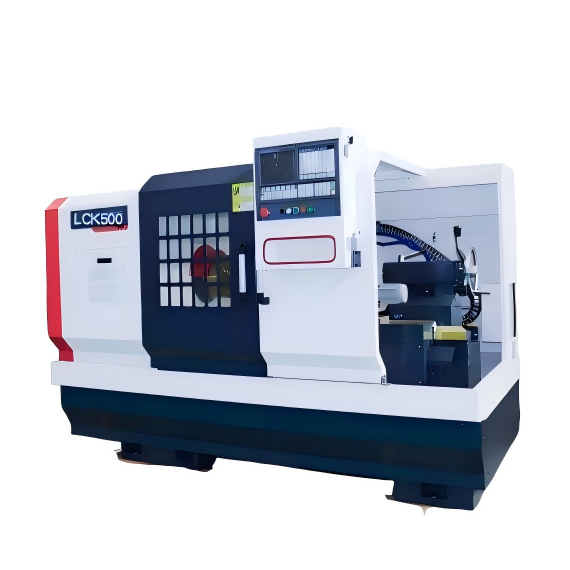
A Small / Mini CNC Turning Center is a compact, versatile machine designed for performing various machining operations on metal or plastic parts. These machines are ideal for workshops with limited space but require high-precision and efficient production. Understanding the basic components and functionalities of these centers is the first step in making an informed choice. Key features include:
- Spindle: The spindle is responsible for rotating the workpiece at high speeds. It must be robust and capable of handling the materials you plan to work with.
- Tool Turret: The tool turret holds multiple cutting tools, allowing for quick and easy tool changes. The number of stations in the turret can vary, so it's important to choose one that meets your production requirements.
- Control System: The control system, often a CNC (Computer Numerical Control) unit, dictates the movements of the machine. Modern systems offer advanced programming capabilities and user-friendly interfaces.
- Coolant System: A reliable coolant system is essential for maintaining the temperature of the workpiece and cutting tools, ensuring longer tool life and better surface finish.
Evaluating Your Workshop's Needs and Requirements
Before investing in a Small / Mini CNC Turning Center, it is crucial to evaluate your workshop's specific needs and requirements. Consider the following factors:
- Material Types and Sizes: Determine the types of materials you will be working with and their sizes. Some machines are better suited for certain materials, and the size of the workpieces will dictate the required bed length and spindle power.
- Production Volume and Complexity: Assess your production volume and the complexity of the parts you need to manufacture. High-volume production may require a more robust and faster machine, while complex parts may necessitate advanced features like live tooling and Y-axis capabilities.
- Budget and Space Constraints: Set a realistic budget and consider the available space in your workshop. Compact designs are ideal for smaller workshops, but they should not compromise on performance and functionality.
- Future Growth and Flexibility: Anticipate future growth and the potential need for additional features or upgrades. A scalable machine that can adapt to changing requirements is a wise investment.
Key Features to Look for in a Small / Mini CNC Turning Center
When selecting a Small / Mini CNC Turning Center, several key features should be considered to ensure optimal performance and efficiency. These include:
- Accuracy and Precision: The machine should provide high accuracy and repeatability. Look for specifications such as positioning accuracy and roundness, which are critical for producing high-quality parts.
- Spindle Speed and Power: The spindle speed and power determine the machine's ability to handle different materials and achieve the desired surface finish. Higher spindle speeds are generally better for finishing operations, while higher power is necessary for roughing and hard materials.
- Tool Turret Capacity: The number of tool stations in the turret affects the machine's versatility and productivity. More stations allow for more complex operations without frequent tool changes.
- Control System and Programming: A user-friendly and powerful control system is essential for efficient operation. Look for features like conversational programming, which allows for easy setup and modification of programs.
- Maintenance and Support: Consider the ease of maintenance and the availability of support from the manufacturer. Regular maintenance is crucial for the longevity and reliability of the machine, and having access to technical support can save time and reduce downtime.
Comparing Different Models and Manufacturers
Once you have identified your workshop's needs and the key features to look for, it's time to compare different models and manufacturers. Here are some steps to help you make an informed decision:
- Research and Shortlist: Conduct thorough research on different manufacturers and models. Read reviews, case studies, and technical specifications to create a shortlist of potential candidates.
- Request Demos and Trials: Contact the manufacturers or distributors and request demonstrations or trial periods. This will give you a firsthand experience of the machine's performance and usability.
- Consult with Experts: Seek advice from industry experts, such as experienced machinists or consultants. They can provide valuable insights and recommendations based on their practical experience.
- Evaluate Total Cost of Ownership: Consider the total cost of ownership, including the initial purchase price, maintenance costs, and potential return on investment. A machine that offers long-term value and low operating costs may be more cost-effective in the long run.
- Check for Certifications and Compliance: Ensure that the machine meets relevant industry standards and certifications. This is particularly important if you are working in regulated industries such as aerospace or medical devices.
Conclusion
Selecting the right Small / Mini CNC Turning Center for your workshop is a critical decision that requires careful consideration of your specific needs, budget, and future growth plans. By understanding the basics of these machines, evaluating your workshop's requirements, and comparing different models and manufacturers, you can make an informed choice that will enhance your production capabilities and contribute to the success of your business.
 01/07/2026



