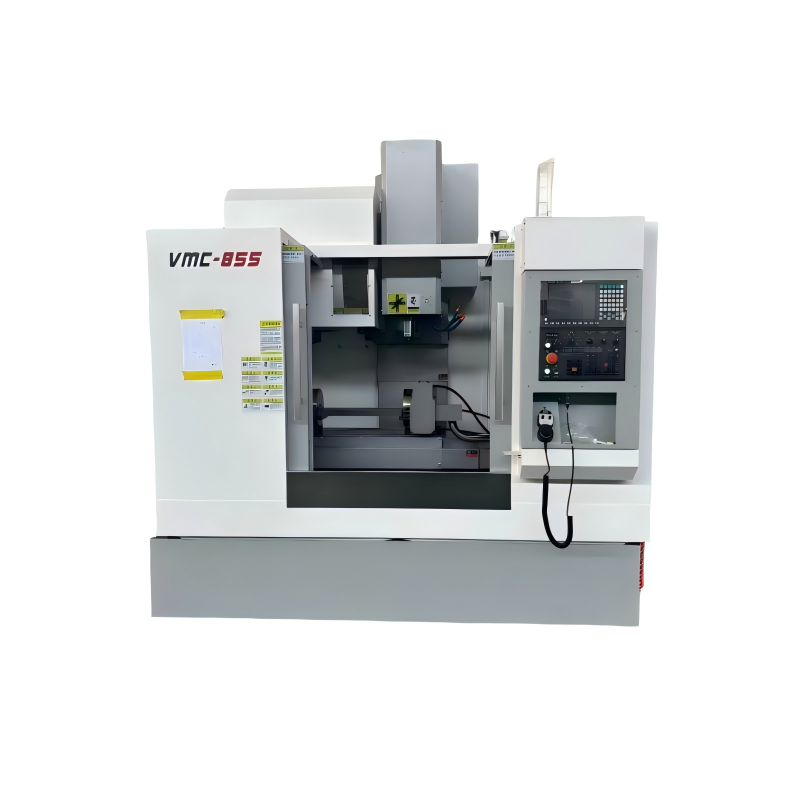
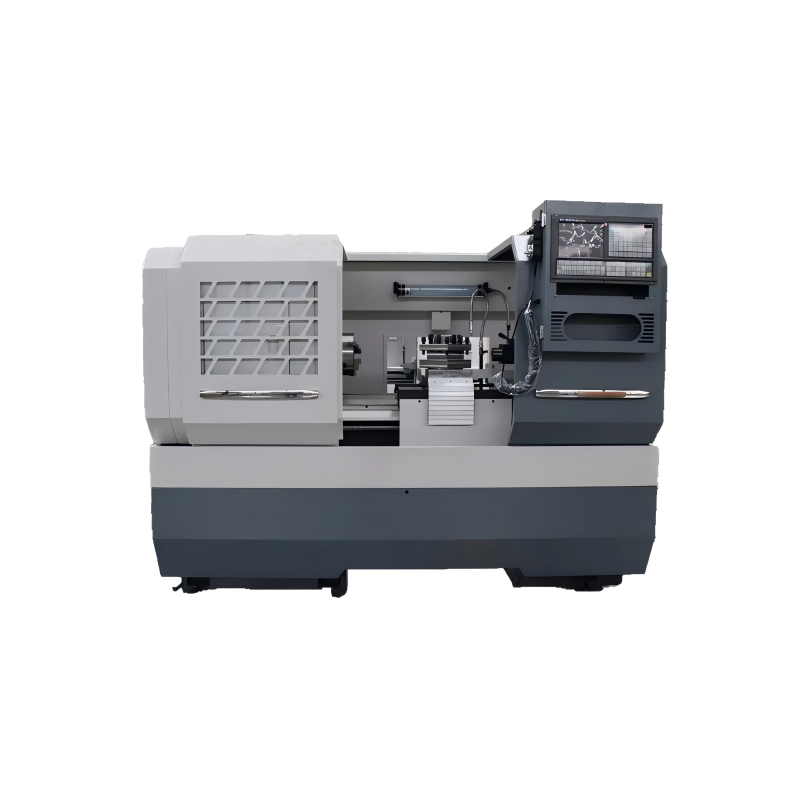
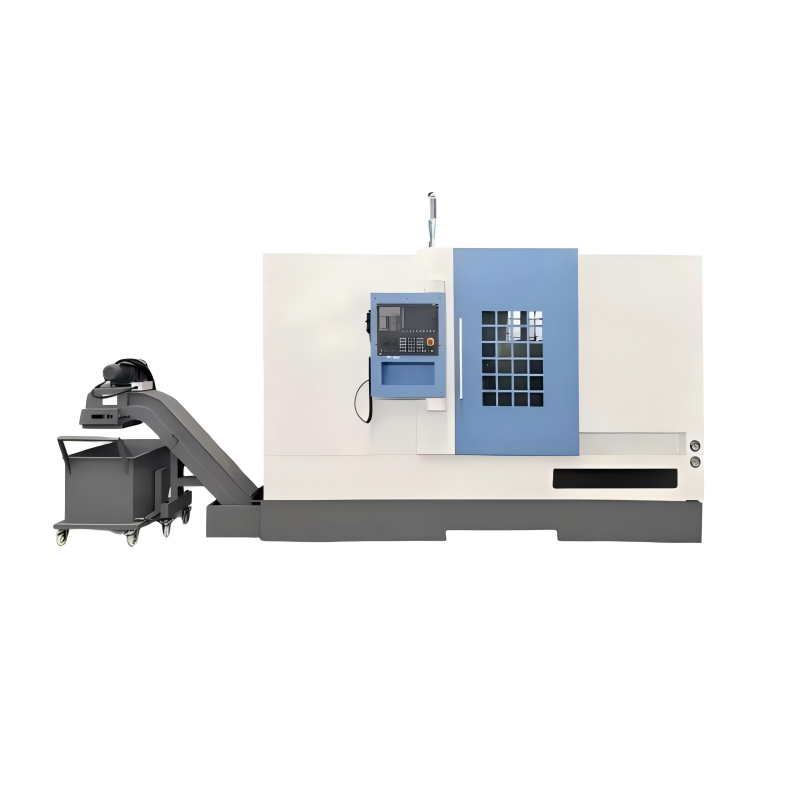
A Mini CNC Turning Center is a compact, versatile machine that combines the precision and efficiency of computer numerical control (CNC) with the flexibility required for small to medium-sized parts. This section will explore how these machines can be optimized for various applications, from prototyping to low-volume production, by leveraging their unique capabilities. The compact design of a mini CNC turning center makes it an ideal solution for workshops or factories where space is at a premium. Additionally, the ability to perform multiple operations in a single setup reduces the need for manual intervention, thereby increasing overall productivity.
One of the key factors in maximizing the efficiency of a Small / Mini CNC Turning Center lies in the optimization of tooling and setup. Selecting the right tools and configuring them correctly can significantly reduce cycle times and improve part quality. For instance, using high-speed steel (HSS) or carbide tools, which are known for their durability and cutting performance, can lead to faster machining speeds and longer tool life. Furthermore, employing quick-change tooling systems allows for rapid tool changes, minimizing downtime between operations. Proper workholding techniques, such as the use of collets or chucks, also play a crucial role in ensuring accurate and repeatable results.
The integration of advanced software solutions is another critical aspect of enhancing the efficiency of a Mini CNC Turning Center. Modern CNC software, such as CAM (Computer-Aided Manufacturing) packages, can automate the programming process, reducing the time and effort required to create and modify toolpaths. These software tools often come with features like simulation, which allows operators to visualize the machining process and identify potential issues before they occur. Additionally, implementing post-processors that are specifically tailored for your machine can further streamline the workflow, ensuring that the generated G-code is optimized for your specific equipment. By leveraging these advanced software solutions, manufacturers can achieve higher levels of accuracy and consistency, ultimately leading to increased productivity and reduced scrap rates.
To ensure that a Mini CNC Turning Center operates at its peak performance, regular maintenance and calibration are essential. A well-maintained machine not only extends its lifespan but also ensures consistent and reliable operation. Key maintenance tasks include lubricating moving parts, checking and replacing worn components, and calibrating the machine's axes. Regularly scheduled maintenance can help prevent unexpected breakdowns and minimize downtime, which is particularly important in a production environment where every minute counts. Additionally, keeping the machine clean and free from debris can improve its overall performance and reduce the risk of errors. By adhering to a structured maintenance plan, operators can maximize the uptime and efficiency of their mini CNC turning center.
Finally, the skill level and training of the operators are vital in maximizing the efficiency of a Small / Mini CNC Turning Center. Well-trained operators who are familiar with the machine's capabilities and limitations can make informed decisions that lead to better part quality and faster production times. Training programs should cover not only the basics of operating the machine but also advanced topics such as troubleshooting, tool selection, and process optimization. Continuous learning and skill development can help operators stay up-to-date with the latest technologies and best practices, enabling them to adapt to new challenges and improve their overall performance. By investing in the training and development of their workforce, manufacturers can unlock the full potential of their mini CNC turning centers and drive greater efficiency in their operations.
 01/07/2026
The Evolution of Mini CNC Turning CentersOver the past few decades, the manufacturing industry has witnessed a significant transformation, driven by advancements in technology and the increasing demand for precision and efficiency. One such innovation tha
Read More01/07/2026The field of manufacturing technology is continuously evolving, with advancements in machinery and processes driving increased efficiency, precision, and flexibility. One such area that has seen significant innovation is the mini CNC turning center. These
Read More01/07/2026In the world of precision manufacturing, choosing the right equipment is crucial for achieving high-quality results and maintaining a competitive edge. One such essential piece of machinery is the Small / Mini CNC Turning Center. This article aims to guid
Read More30/06/2026The advent of Small / Mini CNC Turning Centers has significantly transformed the manufacturing landscape, offering precision and efficiency in a compact form. These machines are designed to meet the needs of various industries, from automotive to electron
Read More30/06/2026In the realm of manufacturing, the use of Small / Mini CNC Turning Center has become increasingly popular, especially for prototyping. These machines offer a range of benefits that make them ideal for small-scale production and prototype development. This
Read More30/06/2026In the rapidly evolving landscape of precision engineering, the introduction of the Mini CNC Turning Center has marked a significant shift towards more efficient, cost-effective, and versatile manufacturing solutions. This report delves into how these com
Read More30/06/2026As the manufacturing industry continues to evolve, so does the technology that powers it. One such technological advancement is the Small / Mini CNC Turning Center, which has become an indispensable tool in modern production environments. This report expl
Read MoreOur professional sales team is always ready to assist you.