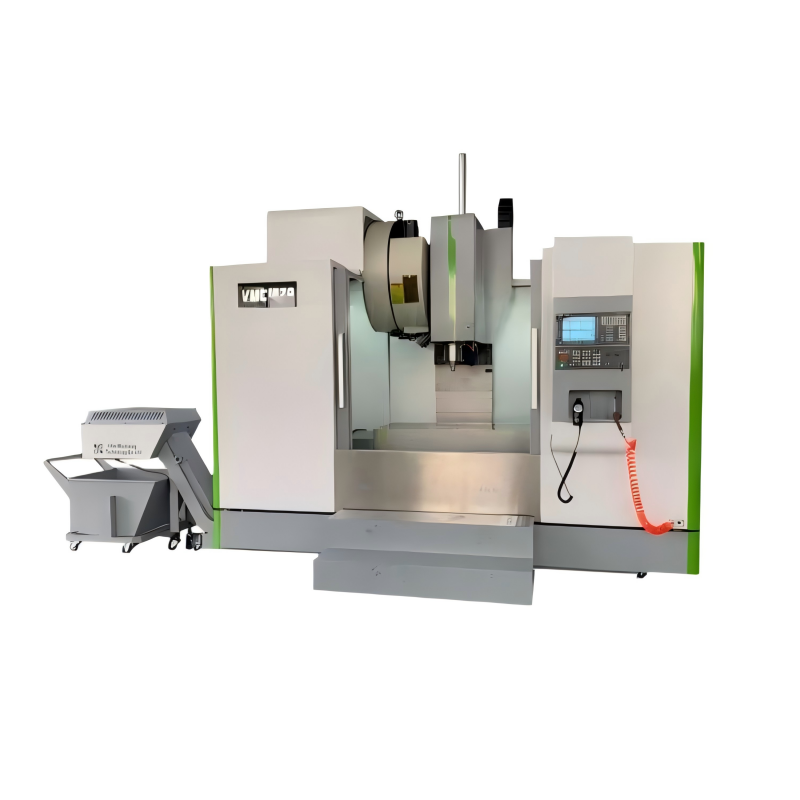
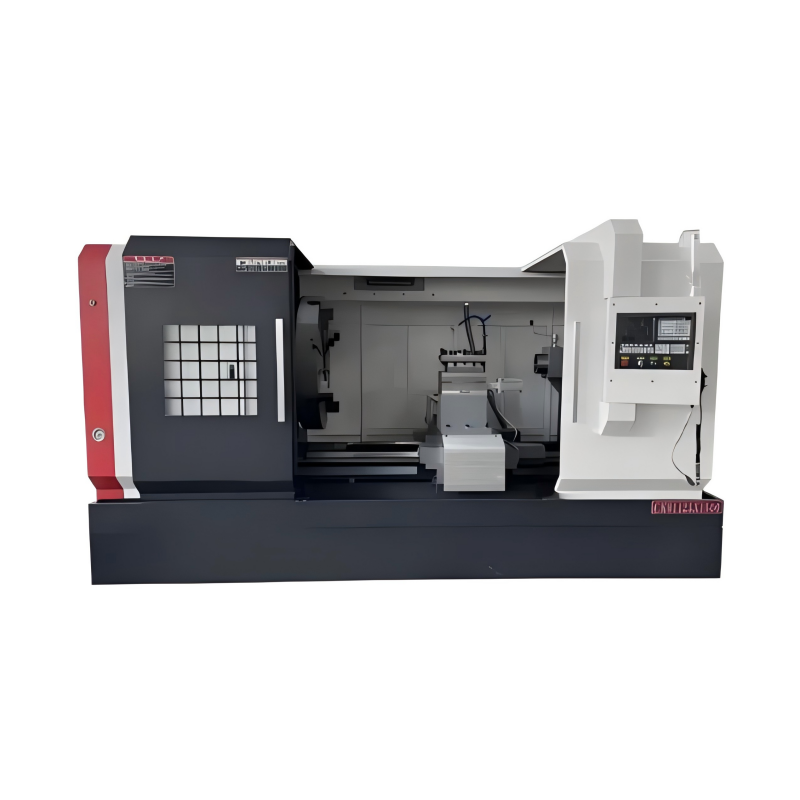
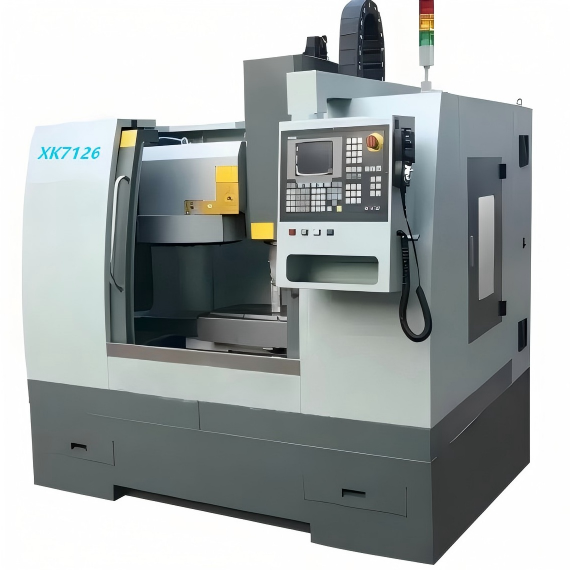
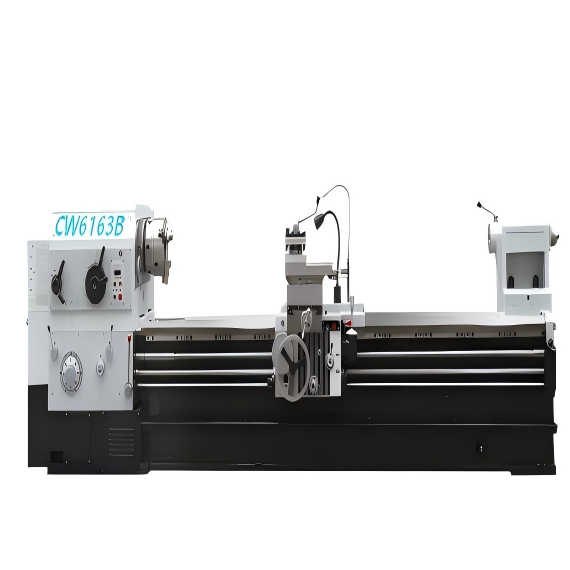
In the realm of modern manufacturing, the role of a Machining Center, especially those controlled by Computer Numerical Control (CNC) systems, has become increasingly prominent. These machines are not just tools; they represent a significant leap in technology that enables precision, efficiency, and versatility in production processes. This document aims to provide an in-depth understanding of the key features and benefits associated with CNC machining centers, highlighting their importance in today's industrial landscape.
CNC machining centers utilize advanced digital control mechanisms to achieve high levels of accuracy. Unlike manual machines, where human error can significantly impact the final product, CNC systems follow programmed instructions with near-perfect precision. This ensures that every part produced adheres closely to its design specifications, reducing the variability that often leads to quality issues or rework.
One of the most notable advantages of using a machining center is its ability to perform complex operations repeatedly without compromising on quality. Once a program is set up, it can be run multiple times, producing identical parts each cycle. This feature is particularly valuable in mass production scenarios, where consistency across thousands or even millions of units is crucial.
By automating the machining process, CNC machines minimize the risk of errors caused by operator fatigue, distraction, or lack of experience. The software-driven nature of these devices means that once a task is correctly programmed, it will be executed the same way every time, leading to more reliable outcomes and fewer defects.
A major benefit of utilizing a machining center lies in its multi-tasking capabilities. Modern CNC machines can perform several operations such as milling, drilling, tapping, and boring, all within a single setup. This eliminates the need to move the workpiece between different machines, saving considerable time and improving overall productivity.
Traditional machining methods often require lengthy setup procedures, including changing tools, adjusting machine settings, and calibrating measurements. In contrast, CNC machining centers offer rapid setup times through automated tool changers and pre-programmed configurations. This quick transition from one job to another greatly enhances operational efficiency, allowing for more jobs to be completed in less time.
Through sophisticated programming, CNC systems can optimize the path taken by cutting tools during the machining process. By minimizing unnecessary movements and ensuring that the most efficient route is used, these machines reduce both the time required for completion and the wear on tools. This optimization not only speeds up the production process but also extends the lifespan of the equipment, further contributing to cost savings over time.
As industries continue to evolve, the demand for high-quality, precisely manufactured components increases. A machining center equipped with CNC technology stands out as a powerful solution, offering unparalleled precision, repeatability, and efficiency. Whether for small batch runs or large-scale manufacturing, the benefits of integrating such advanced machinery into your production line cannot be overstated. As we look towards the future, it is clear that CNC machining centers will remain at the forefront of innovative manufacturing practices, driving progress and excellence in the field.
 04/06/2026
In the ever-evolving landscape of manufacturing, Machining Center innovations are playing a pivotal role in shaping the future. These advanced machines, designed to perform multiple operations with high precision and efficiency, are not only improving pro
Read More04/06/2026In the rapidly evolving aerospace industry, machining centers have emerged as pivotal tools for advancing manufacturing processes. These advanced machines not only enhance productivity but also play a crucial role in maintaining the high standards of prec
Read More03/06/2026IntroductionIn the realm of modern manufacturing, machining centers play a pivotal role in transforming raw materials into finished products. These advanced machines are designed to perform multiple operations such as milling, drilling, and turning, all w
Read More02/06/2026In today’s competitive manufacturing environment, the quest for enhancing product quality while simultaneously reducing operational costs has become a critical success factor. The integration of state-of-the-art machining centers into production processes
Read More31/05/2026IntroductionThe machining center, a cornerstone of modern manufacturing, has evolved significantly over the years. With advancements in technology, these machines have become more efficient, versatile, and capable of handling complex tasks. This report ai
Read More30/05/2026IntroductionThe machining industry is on the cusp of a transformative era, driven by advancements in Machining Center technology. As we look towards the future, it becomes increasingly clear that innovations in this field will not only enhance productivit
Read More29/05/2026IntroductionThe selection of the right machining center is a critical decision for any manufacturing operation, as it directly impacts productivity, efficiency, and overall profitability. A machining center, also known as a CNC (Computer Numerical Control
Read More28/05/2026The automotive industry, a cornerstone of modern manufacturing, is experiencing an unprecedented transformation driven by the integration of advanced technologies. Among these, machining centers are playing a pivotal role in revolutionizing production pro
Read More26/05/2026In the realm of precision manufacturing, the machining center stands as a cornerstone technology, offering unparalleled versatility and efficiency. This document explores how modern advancements in machining centers are revolutionizing the industry, focus
Read MoreOur professional sales team is always ready to assist you.