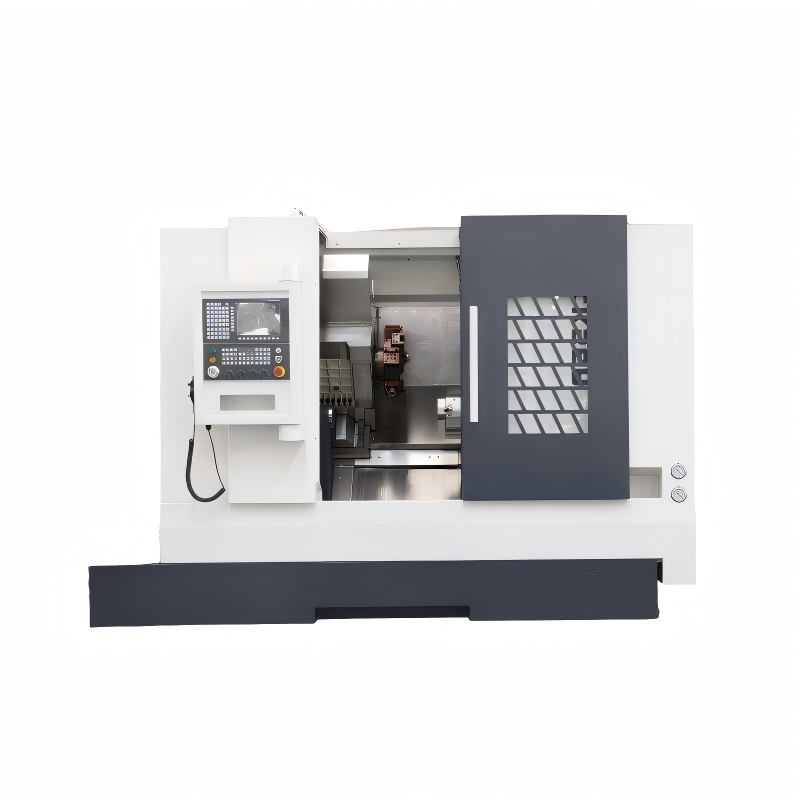
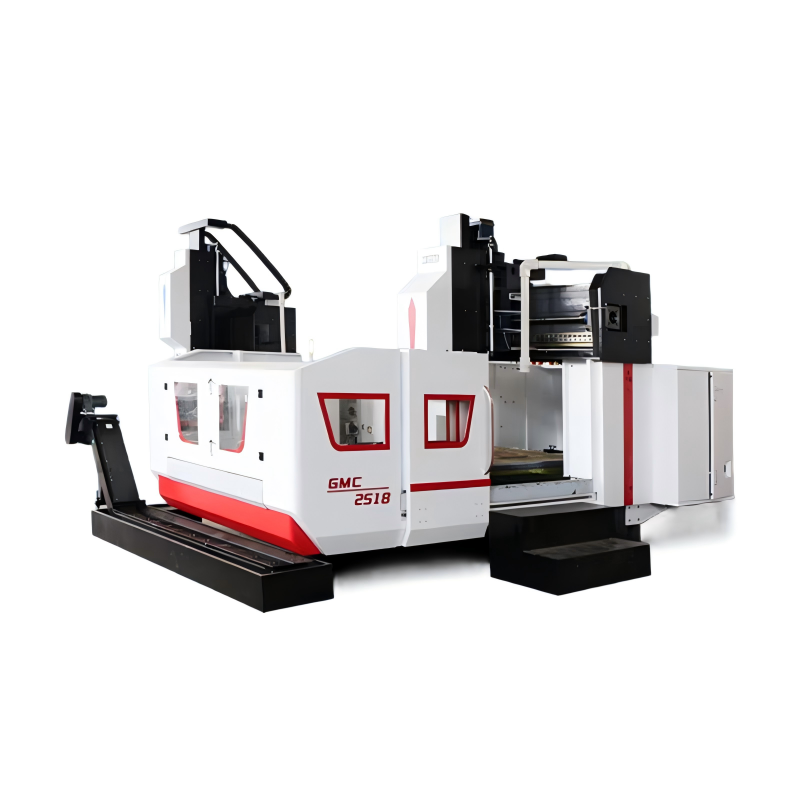
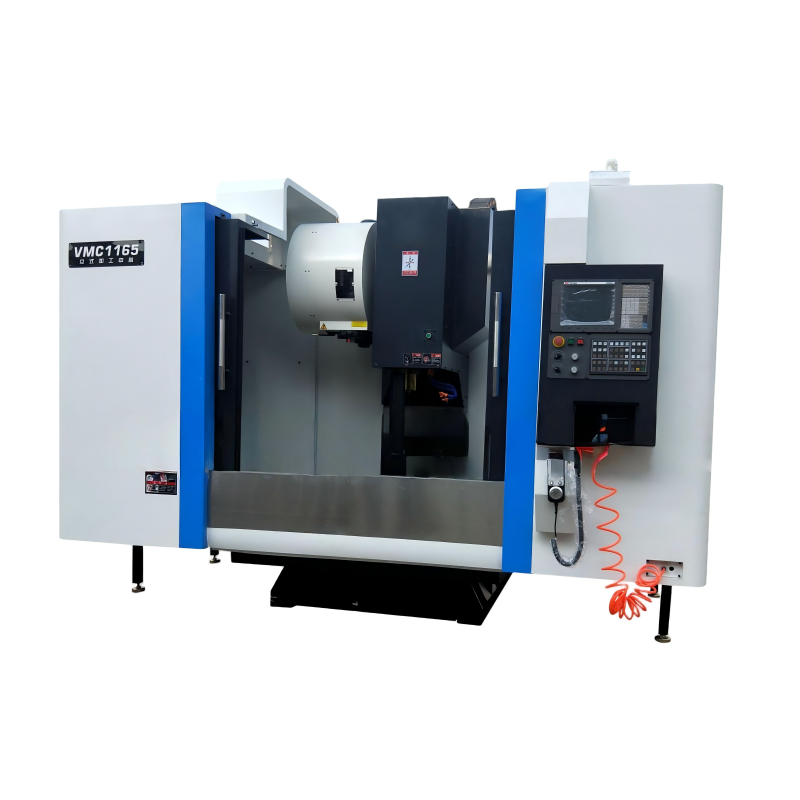
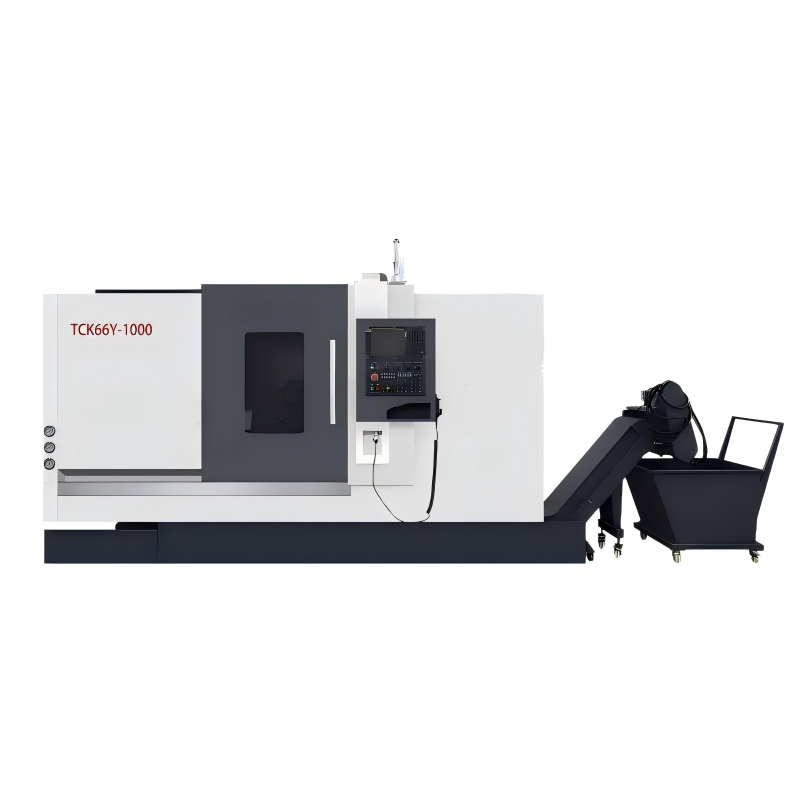
In the realm of Vertical Machining Centers (VMCs), the method of guiding the movement of machine components is a critical aspect that influences the precision, efficiency, and longevity of the machinery. Among the various approaches, the Box Way system has been gaining significant popularity due to its unique advantages. This report delves into why the Box Way, also known as Hard Way, is becoming increasingly favored in VMC manufacturing, exploring its benefits over other methods, such as roller guides, and how it contributes to the overall performance and reliability of VMCs.
The adoption of the Box Way system in VMCs is primarily driven by its superior rigidity and stability. Unlike roller or ball-type linear motion systems, which use rolling elements to reduce friction, Box Ways employ a sliding contact between the guide and the moving component. This direct metal-to-metal contact, when properly lubricated, not only ensures smooth operation but significantly enhances the machine's ability to withstand high cutting forces without deflecting. The rigid structure of Box Ways makes them ideal for heavy-duty applications where maintaining accuracy under load is paramount. This characteristic is particularly beneficial in industries requiring high-precision machining, such as aerospace and automotive, where even the slightest deviation can lead to defective parts.
Another key advantage of the Box Way system is its durability and reduced maintenance needs compared to alternatives like roller ways. The robust design of Box Ways, with their larger contact area, distributes the load more evenly across the surface, reducing wear and tear. While they do require regular lubrication to prevent galling and ensure smooth movement, the intervals between necessary maintenance are generally longer than those for roller guides. Additionally, the materials used in constructing Box Ways, often hardened steel, are chosen for their resistance to deformation and abrasion, further extending the lifespan of the machine. For manufacturers, this translates to lower long-term costs and increased uptime, making the Box Way an attractive option for both new installations and retrofits.
When it comes to achieving a high-quality surface finish, the dampening characteristics of the machine's guide system play a crucial role. Box Ways excel in this regard, offering better vibration absorption than their counterparts. The inherent design of Box Ways, featuring a broad, flat contact area, naturally absorbs vibrations generated during the machining process. This capability is especially advantageous in operations that demand fine surface finishes, such as grinding or finishing work. By minimizing tool chatter and providing a more stable platform for the cutting tool, Box Ways contribute to the production of parts with tighter tolerances and smoother surfaces, directly impacting the quality and value of the end product.
In conclusion, the rising preference for the Box Way system in VMC manufacturing can be attributed to its enhanced rigidity and stability, increased durability, and superior dampening characteristics. These features collectively result in improved machining accuracy, reduced maintenance, and higher quality output, making the Box Way a compelling choice for modern VMC designs. As the industry continues to evolve, the Box Way stands out as a reliable and efficient solution for meeting the demands of high-precision machining tasks.
 25/06/2026
In the realm of precision engineering, Vertical Machining Centers (VMCs) play a crucial role in achieving high-accuracy manufacturing. Among the many components that contribute to the performance of VMCs, the Box Way system stands out as a critical elemen
Read More25/06/2026In the realm of advanced manufacturing, Vertical Machining Centers (VMCs) play a crucial role in delivering precision and efficiency. Among the various components that contribute to the robustness and reliability of VMCs, the Box Way or Hard Way system is
Read More25/06/2026Understanding the nuances of different machine tool designs is crucial for any professional in the manufacturing industry. Among the various design philosophies, the Box Way and Hard Way VMC (Vertical Machining Center) approaches stand out as two distinct
Read More24/06/2026In the realm of manufacturing, precision and efficiency are paramount. One particular area that demands meticulous attention to detail is VMC (Vertical Machining Center) manufacturing. This report delves into the challenges associated with the "Hard Way"
Read More24/06/2026In the realm of machine tool design, the selection between a Box Way and a Hard Way VMC (Vertical Machining Center) is a critical decision that impacts not only the initial investment but also long-term operational efficiency, maintenance costs, and overa
Read More24/06/2026In the realm of manufacturing and machining, precision and stability are paramount. Vertical Machining Centers (VMCs) have become an integral part of modern manufacturing processes due to their versatility and efficiency. One critical component that signi
Read More24/06/2026The Evolution of VMC Technology: A Focus on Structural ComponentsIn the world of vertical machining centers (VMCs), the quest for precision, durability, and efficiency has driven significant advancements in design and technology. Two key structural compon
Read More23/06/2026Understanding the Core of Box Way Technology in VMCIn the realm of modern Vertical Machining Centers (VMC), the design and implementation of guide ways play a crucial role in determining the machine's performance, precision, and longevity. Among the vario
Read More23/06/2026Introduction to Box Way Systems in VMCIn the realm of Vertical Machining Centers (VMCs), the choice between different guiding systems can significantly impact the performance and longevity of the machine. Among these, the Box Way system stands out for its
Read More23/06/2026When it comes to selecting the right way for your Vertical Machining Center (VMC), understanding the differences between Box Way and Hard Way is crucial. These two systems represent different approaches to the machine's movement, each with its own set of
Read More23/06/2026In the realm of modern Vertical Machining Centers (VMCs), the choice between box way and hard way systems significantly impacts machine performance, longevity, and overall efficiency. This report delves into the advantages of box way systems in VMC techno
Read MoreOur professional sales team is always ready to assist you.