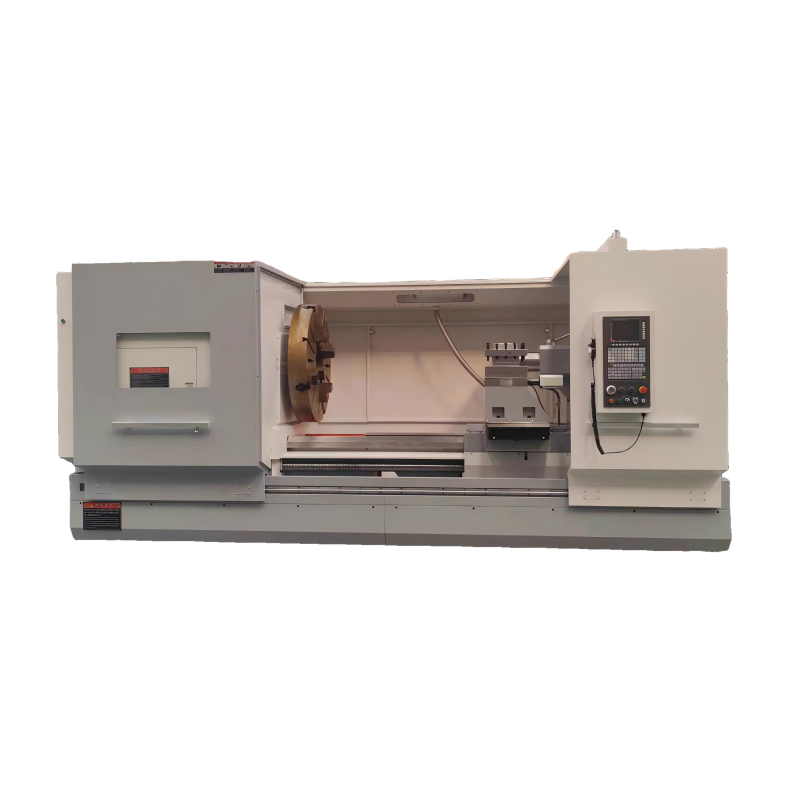
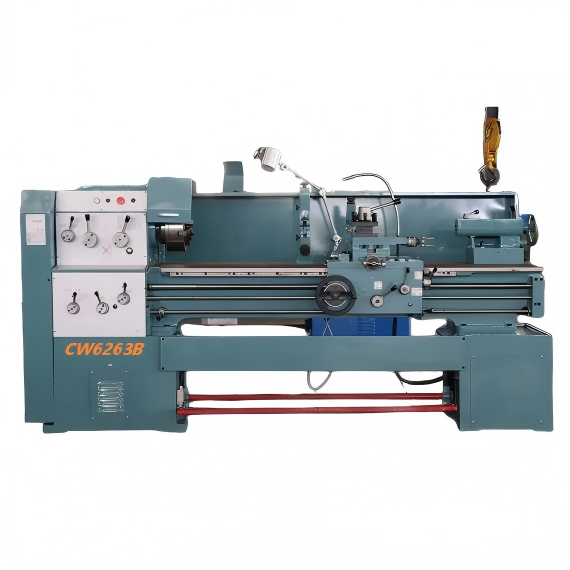
A conventional lathe machine, also known as a metal lathe, is a versatile tool used in workshops for machining processes such as turning, facing, drilling, and threading. It operates by rotating the workpiece against a cutting tool to shape it into the desired form. The fundamental components include the bed, headstock, tailstock, and carriage, each playing a crucial role in the operation. For instance, the headstock holds the spindle and motor, while the carriage moves along the bed, carrying the cutting tools. Understanding these basics is essential before diving into the selection process.
Before choosing a conventional lathe machine, it’s imperative to assess your workshop's specific needs. Consider the types of materials you will be working with, as different lathes are designed to handle various materials like steel, aluminum, or plastics. Additionally, think about the size and weight of the largest workpieces you plan to machine. Lathes come in different sizes, from benchtop models for small projects to large industrial machines for heavy-duty tasks. Another important factor is the precision required for your applications. High-precision lathes are equipped with advanced features that ensure accurate and repeatable results, which may be necessary for certain industries such as aerospace or medical devices.
When evaluating conventional lathe machines, several key features and specifications should be considered. The swing over bed, which is the maximum diameter of the workpiece that can be rotated, is a critical specification. This determines the size of the parts you can machine. The distance between centers, or the maximum length of the workpiece, is another important factor. The power of the motor, measured in horsepower (HP), affects the machine's ability to handle tougher materials and larger workpieces. Other features to consider include the type of control system (manual or CNC), the availability of accessories, and the overall build quality. A well-constructed lathe with robust components will provide better performance and longevity.
Setting a budget is a practical step in the selection process, but it’s equally important to consider long-term cost-effectiveness. While a lower-priced lathe may seem attractive, it might not offer the same level of durability and precision as a higher-end model. Investing in a quality lathe can save you money in the long run by reducing maintenance costs and minimizing downtime. Additionally, some manufacturers offer financing options or leasing programs, which can make high-quality lathes more accessible. It’s also worth considering the cost of consumables and accessories, as these can add up over time. Researching the total cost of ownership, including initial purchase price, maintenance, and operational costs, will help you make a more informed decision.
Regular maintenance is crucial for keeping your conventional lathe machine in optimal condition. This includes lubricating moving parts, checking and tightening bolts, and inspecting the machine for any signs of wear or damage. Some lathes come with built-in maintenance reminders or diagnostic systems that can alert you to potential issues. When selecting a lathe, it’s also important to consider the availability of technical support and spare parts. Manufacturers that offer comprehensive after-sales service and have a good reputation for customer support can be invaluable. They can provide guidance on maintenance, troubleshooting, and repairs, ensuring that your lathe remains reliable and efficient for years to come.
Choosing the right conventional lathe machine for your workshop involves a thorough understanding of your specific needs, a careful evaluation of key features and specifications, and a consideration of both short-term and long-term costs. By taking the time to assess these factors, you can select a lathe that not only meets your current requirements but also provides the flexibility and reliability needed for future projects. Remember, a well-chosen lathe is an investment in the productivity and success of your workshop.
 29/06/2026
Understanding the Fundamental Principles of a Conventional Lathe MachineA conventional lathe machine is a critical piece of equipment in the manufacturing and engineering industries, known for its versatility and precision. At its core, a lathe allows ope
Read More29/06/2026Conventional lathe machines have been a cornerstone in the manufacturing and crafting industries for centuries, evolving from simple wooden structures to sophisticated metal contraptions capable of producing intricate and precise components. This report d
Read More29/06/2026Conventional lathe machines have long been a cornerstone of manufacturing, offering precision and versatility in the production of cylindrical parts. However, as technology advances, the future of conventional lathe machines is being shaped by new trends
Read More29/06/2026Conventional lathe machines, despite being one of the oldest machine tools, remain a cornerstone in manufacturing processes. Their versatility and reliability make them indispensable for a wide range of applications, from small-scale workshops to large in
Read More29/06/2026Conventional lathe machines, despite the advancements in CNC technology, continue to play a crucial role in precision engineering. These machines are not only cost-effective but also offer a level of manual control that is often essential for certain appl
Read More29/06/2026Understanding the Basics of Conventional Lathe MachinesThe conventional lathe machine, a fundamental tool in the world of machining, has been a cornerstone for precision manufacturing across various industries since its inception. This section delves into
Read More29/06/2026Conventional lathe machines have been a cornerstone of manufacturing and machining processes for centuries, providing the precision and versatility needed to shape materials into intricate components. However, like any piece of machinery, their efficiency
Read More29/06/2026Understanding the operation of a Conventional Lathe Machine is fundamental for anyone involved in manufacturing, from hobbyists to professional machinists. This versatile tool has been a cornerstone of metalworking and woodworking for centuries, enabling
Read More29/06/2026Conventional lathe machines have been a cornerstone of the manufacturing industry for centuries, evolving significantly over time to meet the changing demands of modern production. As technology advances, these machines continue to play a vital role in sh
Read MoreOur professional sales team is always ready to assist you.