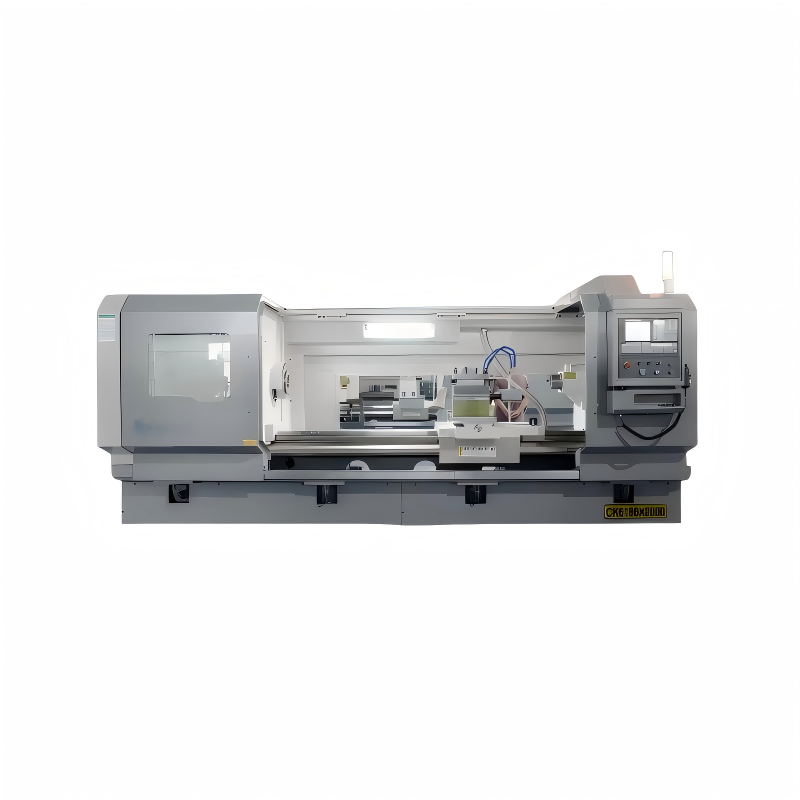
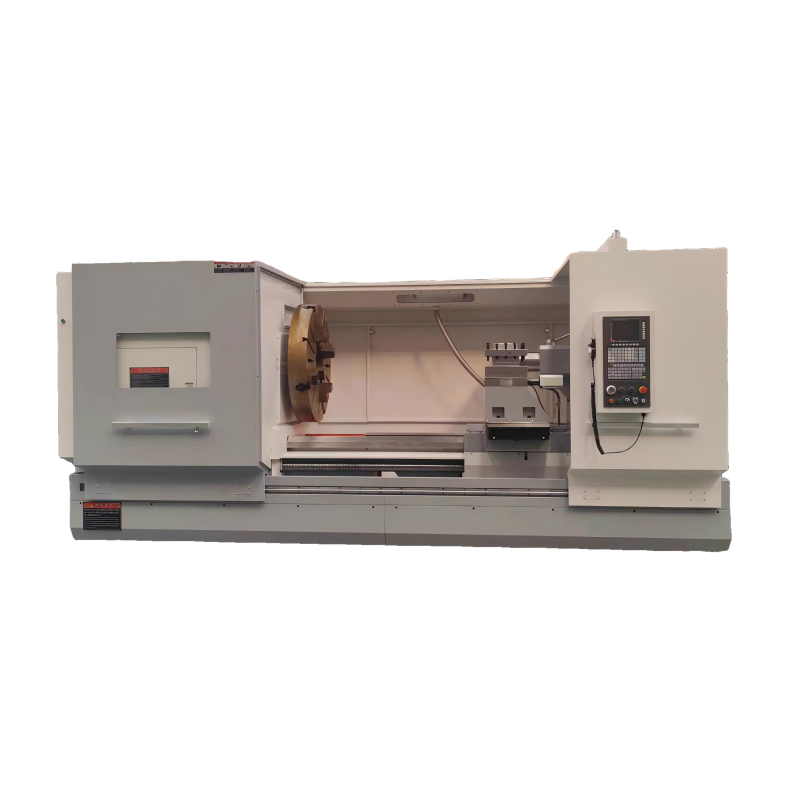
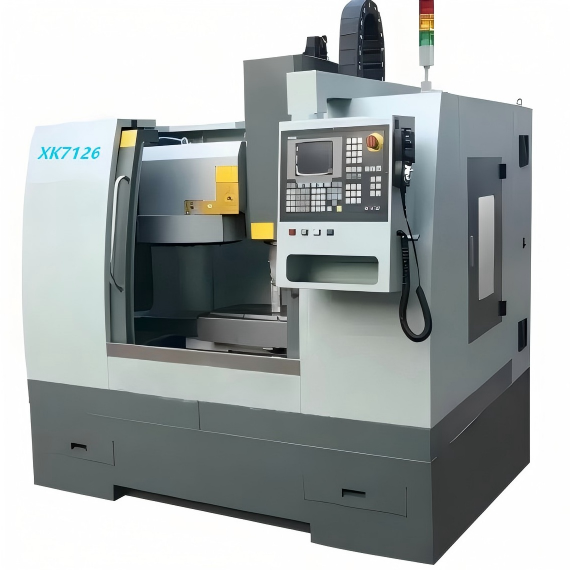
Conventional Lathe Machines have been a cornerstone of manufacturing and machining processes for centuries, providing the precision and versatility needed to shape materials into intricate components. However, like any piece of machinery, their efficiency and longevity depend heavily on proper maintenance. This report aims to explore the importance of maintaining your conventional lathe machine, offering practical advice and insights to help you maximize its operational efficiency.
Maintaining a conventional lathe machine is not just about keeping it running; it's about ensuring that it operates at peak performance. Regular maintenance can prevent minor issues from escalating into major problems, reducing downtime and extending the life of the machine. A well-maintained lathe will also produce higher quality work, as it maintains its accuracy and precision over time. Key areas to focus on include lubrication, cleaning, and inspection of critical components such as the spindle, ways, and tool holders. By addressing these areas regularly, you can ensure that your lathe remains in optimal condition.
Proper lubrication is one of the most critical aspects of maintaining a conventional lathe machine. The moving parts of a lathe, including the spindle, gears, and lead screws, require consistent and adequate lubrication to reduce friction and wear. Using the correct type and amount of lubricant is essential. For example, the spindle should be lubricated with a high-quality oil or grease, while the ways may require a different type of lubricant. It's important to follow the manufacturer's recommendations and to establish a regular lubrication schedule. Additionally, monitoring the condition of the lubricants and replacing them when necessary can prevent premature wear and tear, ensuring that the lathe operates smoothly and efficiently.
Another key aspect of maintaining a conventional lathe machine is regular cleaning and inspection. Over time, chips, dust, and other debris can accumulate on the machine, leading to reduced performance and potential damage. A clean machine is not only more efficient but also easier to inspect for signs of wear or damage. During inspections, pay close attention to the condition of the ways, which are the sliding surfaces that support the carriage and cross-slide. Any signs of scoring, pitting, or excessive wear should be addressed immediately. Similarly, the tool holders and cutting tools should be inspected for wear and replaced as needed. By keeping the lathe clean and performing regular inspections, you can identify and address issues before they become major problems, thereby extending the life of the machine and maintaining its precision.
Ensuring that your conventional lathe machine is properly calibrated and adjusted is crucial for maintaining its precision and accuracy. Over time, the alignment of the lathe's components can shift due to wear, thermal expansion, or mechanical stress. Regular calibration and adjustment can help to maintain the lathe's alignment and ensure that it continues to produce high-quality work. Key areas to check include the alignment of the headstock and tailstock, the parallelism of the ways, and the perpendicularity of the cross-slide. Using precision measuring tools such as dial indicators and micrometers, you can make the necessary adjustments to bring the lathe back into alignment. Additionally, regular calibration of the lathe's measuring systems, such as the digital readout (DRO) and the thread-cutting mechanisms, can further enhance the machine's accuracy and reliability.
Effective maintenance of a conventional lathe machine also requires a well-trained and informed workforce. Operators and maintenance personnel should be trained on the proper use and care of the lathe, including the specific maintenance procedures and schedules. Providing comprehensive training and documentation can help to ensure that all maintenance tasks are performed correctly and consistently. This includes creating detailed maintenance logs, which document the date, nature, and results of each maintenance task. These logs can be invaluable for tracking the machine's performance over time and identifying trends or recurring issues. Additionally, having a clear and accessible maintenance manual can serve as a reference for operators and maintenance staff, ensuring that everyone is on the same page when it comes to the care and upkeep of the lathe.
In conclusion, maximizing the efficiency of your conventional lathe machine through proper maintenance is essential for achieving high-quality results and extending the life of the equipment. By focusing on regular lubrication, cleaning and inspection, calibration and adjustment, and training and documentation, you can ensure that your lathe remains a reliable and precise tool for your manufacturing needs. Proper maintenance not only enhances the performance of the machine but also reduces the risk of unexpected downtime and costly repairs, ultimately contributing to the overall success of your operations.
 29/06/2026
Understanding the Fundamental Principles of a Conventional Lathe MachineA conventional lathe machine is a critical piece of equipment in the manufacturing and engineering industries, known for its versatility and precision. At its core, a lathe allows ope
Read More29/06/2026Conventional lathe machines have been a cornerstone in the manufacturing and crafting industries for centuries, evolving from simple wooden structures to sophisticated metal contraptions capable of producing intricate and precise components. This report d
Read More29/06/2026Conventional lathe machines have long been a cornerstone of manufacturing, offering precision and versatility in the production of cylindrical parts. However, as technology advances, the future of conventional lathe machines is being shaped by new trends
Read More29/06/2026Conventional lathe machines, despite being one of the oldest machine tools, remain a cornerstone in manufacturing processes. Their versatility and reliability make them indispensable for a wide range of applications, from small-scale workshops to large in
Read More29/06/2026Conventional lathe machines, despite the advancements in CNC technology, continue to play a crucial role in precision engineering. These machines are not only cost-effective but also offer a level of manual control that is often essential for certain appl
Read More29/06/2026Understanding the Basics of Conventional Lathe MachinesA conventional lathe machine, also known as a metal lathe, is a versatile tool used in workshops for machining processes such as turning, facing, drilling, and threading. It operates by rotating the w
Read More29/06/2026Understanding the Basics of Conventional Lathe MachinesThe conventional lathe machine, a fundamental tool in the world of machining, has been a cornerstone for precision manufacturing across various industries since its inception. This section delves into
Read More29/06/2026Understanding the operation of a Conventional Lathe Machine is fundamental for anyone involved in manufacturing, from hobbyists to professional machinists. This versatile tool has been a cornerstone of metalworking and woodworking for centuries, enabling
Read More29/06/2026Conventional lathe machines have been a cornerstone of the manufacturing industry for centuries, evolving significantly over time to meet the changing demands of modern production. As technology advances, these machines continue to play a vital role in sh
Read MoreOur professional sales team is always ready to assist you.