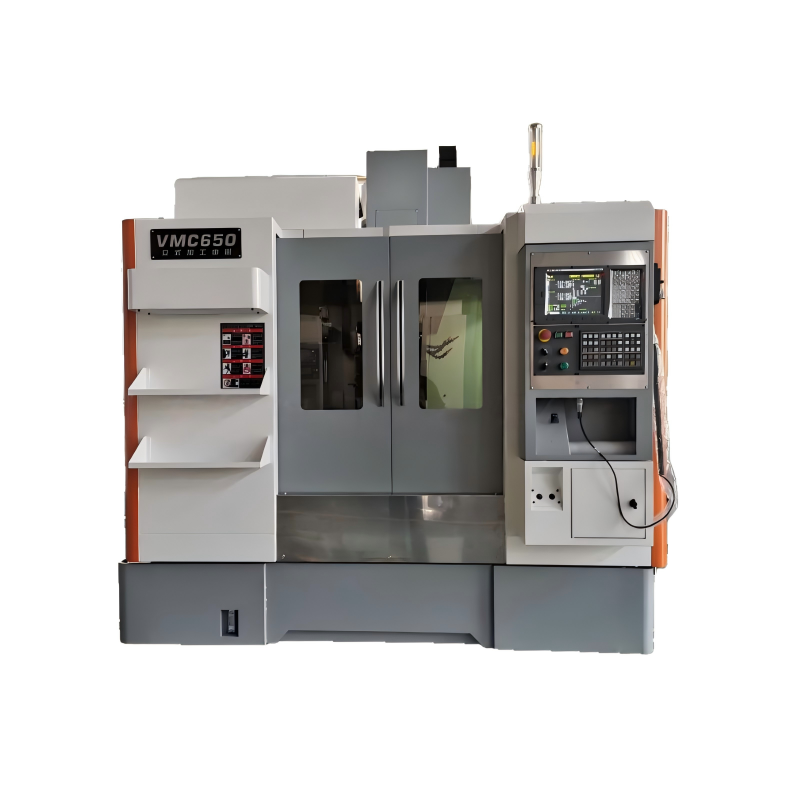
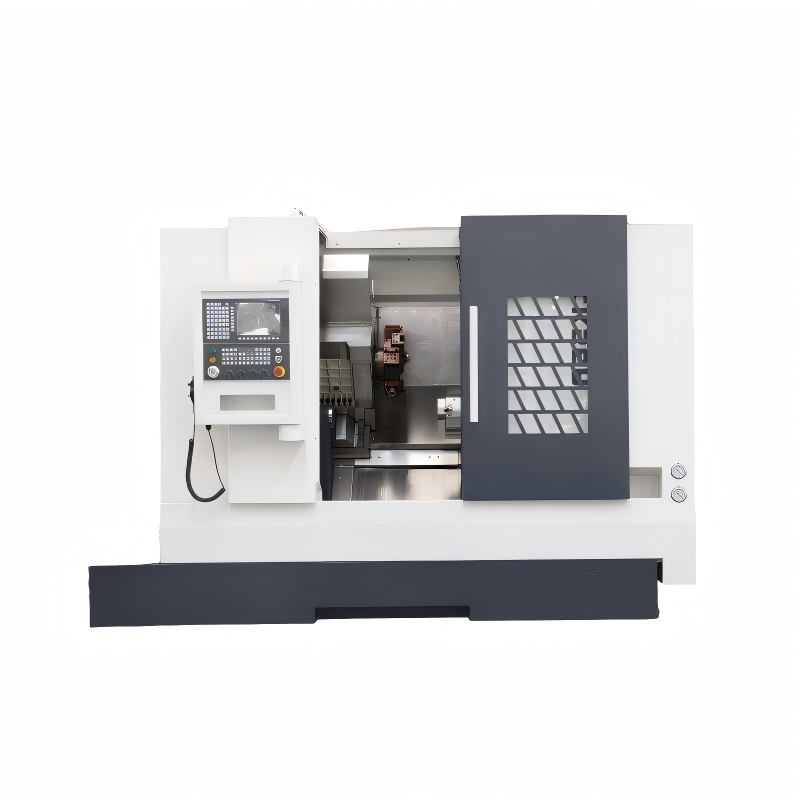
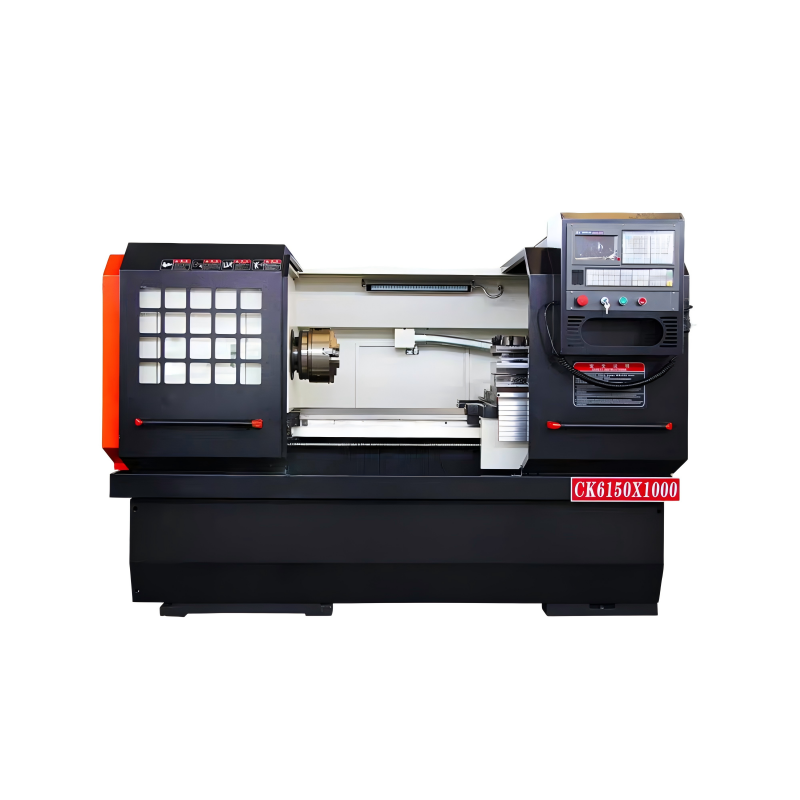
A conventional lathe machine is a critical piece of equipment in the manufacturing and engineering industries, known for its versatility and precision. At its core, a lathe allows operators to perform turning operations, which involve shaping a rotating workpiece with a stationary cutting tool. The principle behind this process is simple yet powerful: as the material rotates, the cutting tool removes layers of it to achieve the desired form. Understanding these fundamentals is key to mastering the art of turning. A conventional lathe machine consists of several essential components, including the headstock, tailstock, carriage, and tool post, each playing a crucial role in the machining process. The headstock holds the spindle, which grips and rotates the workpiece, while the tailstock provides support on the opposite end. The carriage, which can move along the bed of the machine, carries the tool post, where the cutting tools are mounted. Together, these components enable a wide range of operations, from simple cylindrical turning to more complex tasks like threading and taper turning.
Precision and accuracy are paramount in any machining operation, but they are especially critical when using a conventional lathe machine. Achieving high-quality results requires not only a well-maintained machine but also a skilled operator who understands the importance of setting up the workpiece correctly and selecting the appropriate cutting tools. One of the key factors in ensuring precision is the alignment of the workpiece. Even a slight misalignment can lead to significant errors in the final product. Operators must take care to center the workpiece accurately in the chuck or between centers, and to ensure that the tool is properly aligned with the axis of rotation. Additionally, the condition of the cutting tools plays a vital role. Dull or improperly sharpened tools can result in poor surface finishes and dimensional inaccuracies. Regular maintenance and proper tool selection are therefore essential for achieving consistent and reliable results. Another aspect of precision is the control of feed rates and cutting speeds. These parameters must be carefully adjusted based on the material being machined and the specific operation being performed. For example, softer materials may require higher cutting speeds and lower feed rates, while harder materials may need the opposite. By understanding and controlling these variables, operators can produce parts with tight tolerances and excellent surface finishes.
While the basics of turning with a conventional lathe machine are straightforward, there are numerous advanced techniques that can significantly enhance performance and efficiency. One such technique is the use of coolant. Coolant serves multiple purposes: it lubricates the cutting tool, reduces friction, and helps to dissipate heat generated during the cutting process. This not only extends the life of the cutting tools but also improves the surface finish of the workpiece. Another advanced technique is the application of high-speed steel (HSS) and carbide tools. HSS tools are suitable for a wide range of materials and can handle higher cutting speeds compared to standard carbon steel tools. Carbide tools, on the other hand, offer even greater durability and can be used at extremely high cutting speeds, making them ideal for hard and abrasive materials. Furthermore, the use of digital readouts (DROs) can greatly improve the accuracy and repeatability of turning operations. DROs provide precise measurements of the position of the carriage and cross-slide, allowing operators to make fine adjustments and achieve highly accurate dimensions. In addition, modern lathes often come equipped with variable speed drives, which allow for smooth and continuous adjustment of the spindle speed. This feature is particularly useful for optimizing cutting conditions and adapting to different materials and operations. Finally, the implementation of automation and CNC (Computer Numerical Control) technology can further enhance the capabilities of a conventional lathe machine. CNC Lathes can perform complex and repetitive tasks with high precision and minimal human intervention, making them ideal for high-volume production environments. However, even in manual operations, understanding and applying these advanced techniques can lead to significant improvements in productivity and quality.
Despite the robust design and versatility of a conventional lathe machine, operators may encounter various challenges during their work. One common issue is chatter, which is characterized by vibrations that can cause poor surface finishes and dimensional inaccuracies. Chatter can be caused by several factors, including loose components, improper tooling, and excessive cutting speeds. To address this, operators should ensure that all parts of the machine are securely fastened and that the cutting tools are properly balanced and aligned. Adjusting the cutting speed and feed rate can also help to reduce chatter. Another challenge is the wear and tear of cutting tools, which can lead to decreased performance and increased costs. Regular inspection and maintenance of the tools are essential to identify and replace worn or damaged ones. Proper sharpening techniques and the use of high-quality materials can extend the life of the tools and improve their effectiveness. Additionally, maintaining the machine itself is crucial. Regular cleaning, lubrication, and calibration of the lathe's components can prevent issues such as uneven wear, binding, and inaccurate measurements. Operators should also be aware of the signs of mechanical problems, such as unusual noises or vibrations, and address them promptly to avoid more serious damage. Lastly, safety is a critical aspect of operating a conventional lathe machine. Operators must follow all safety guidelines, including wearing appropriate personal protective equipment (PPE), keeping the work area clean and organized, and avoiding loose clothing and jewelry that could get caught in the machine. By addressing these common challenges and implementing best practices, operators can ensure the safe and efficient operation of their conventional lathe machine.
The field of lathe technology is continually evolving, with new innovations and trends emerging to meet the demands of modern manufacturing. One of the most significant developments is the integration of smart technologies and Industry 4.0 principles. Smart lathes equipped with sensors and data analytics can monitor and optimize the machining process in real-time, leading to improved efficiency and reduced downtime. These machines can automatically adjust parameters such as cutting speed and feed rate based on the material properties and the condition of the cutting tools. Another trend is the increasing use of hybrid lathes, which combine the capabilities of traditional turning with milling, drilling, and other operations. This multifunctionality allows for more complex and versatile machining in a single setup, reducing the need for multiple machines and improving overall productivity. Additionally, advancements in materials science are driving the development of new cutting tools and coatings that offer enhanced performance and durability. For example, nanotechnology is being used to create ultra-hard coatings that can withstand extreme temperatures and wear, extending the life of the tools and enabling faster cutting speeds. Environmental considerations are also becoming increasingly important. Manufacturers are focusing on developing more energy-efficient lathes and using sustainable materials and processes. This includes the use of electric spindles, which are more energy-efficient than traditional hydraulic systems, and the implementation of recycling and waste reduction programs. Finally, the rise of additive manufacturing (3D printing) is influencing the design and functionality of lathes. Some lathes now incorporate additive capabilities, allowing for the creation of complex geometries and the repair of existing parts. This hybrid approach combines the strengths of subtractive and additive manufacturing, offering new possibilities for innovation and customization. As these trends continue to develop, the conventional lathe machine will remain a cornerstone of the manufacturing industry, but with enhanced capabilities and improved performance.
 29/06/2026
Conventional lathe machines have been a cornerstone in the manufacturing and crafting industries for centuries, evolving from simple wooden structures to sophisticated metal contraptions capable of producing intricate and precise components. This report d
Read More29/06/2026Conventional lathe machines have long been a cornerstone of manufacturing, offering precision and versatility in the production of cylindrical parts. However, as technology advances, the future of conventional lathe machines is being shaped by new trends
Read More29/06/2026Conventional lathe machines, despite being one of the oldest machine tools, remain a cornerstone in manufacturing processes. Their versatility and reliability make them indispensable for a wide range of applications, from small-scale workshops to large in
Read More29/06/2026Conventional lathe machines, despite the advancements in CNC technology, continue to play a crucial role in precision engineering. These machines are not only cost-effective but also offer a level of manual control that is often essential for certain appl
Read More29/06/2026Understanding the Basics of Conventional Lathe MachinesA conventional lathe machine, also known as a metal lathe, is a versatile tool used in workshops for machining processes such as turning, facing, drilling, and threading. It operates by rotating the w
Read More29/06/2026Understanding the Basics of Conventional Lathe MachinesThe conventional lathe machine, a fundamental tool in the world of machining, has been a cornerstone for precision manufacturing across various industries since its inception. This section delves into
Read More29/06/2026Conventional lathe machines have been a cornerstone of manufacturing and machining processes for centuries, providing the precision and versatility needed to shape materials into intricate components. However, like any piece of machinery, their efficiency
Read More29/06/2026Understanding the operation of a Conventional Lathe Machine is fundamental for anyone involved in manufacturing, from hobbyists to professional machinists. This versatile tool has been a cornerstone of metalworking and woodworking for centuries, enabling
Read More29/06/2026Conventional lathe machines have been a cornerstone of the manufacturing industry for centuries, evolving significantly over time to meet the changing demands of modern production. As technology advances, these machines continue to play a vital role in sh
Read MoreOur professional sales team is always ready to assist you.