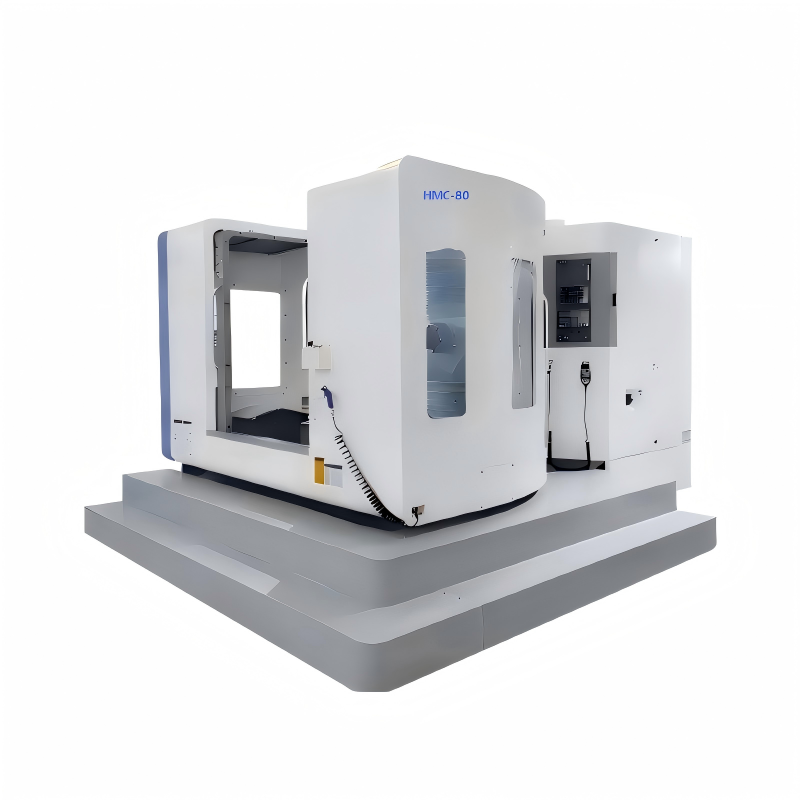
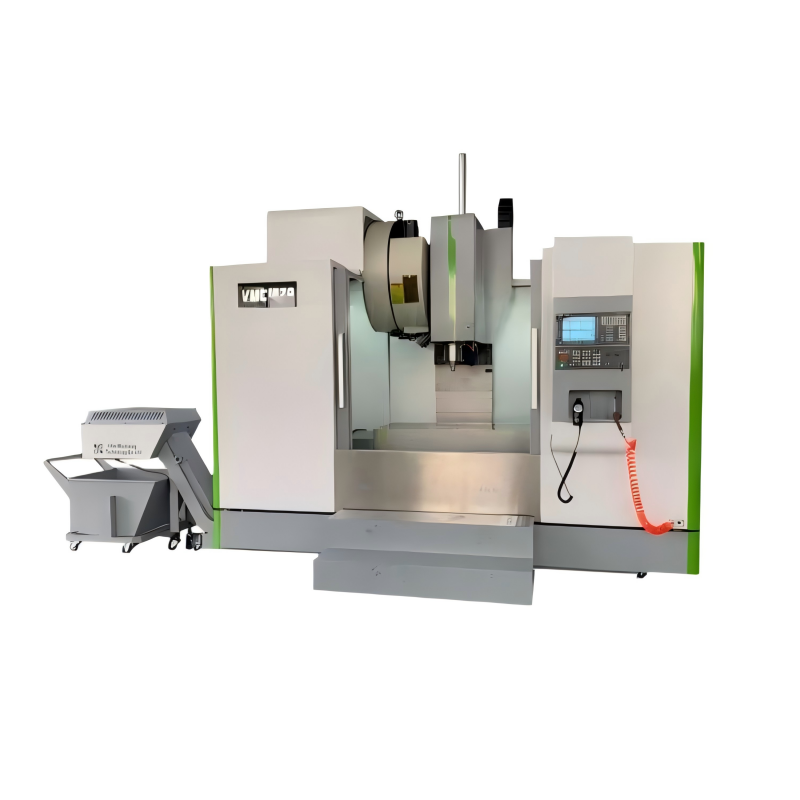
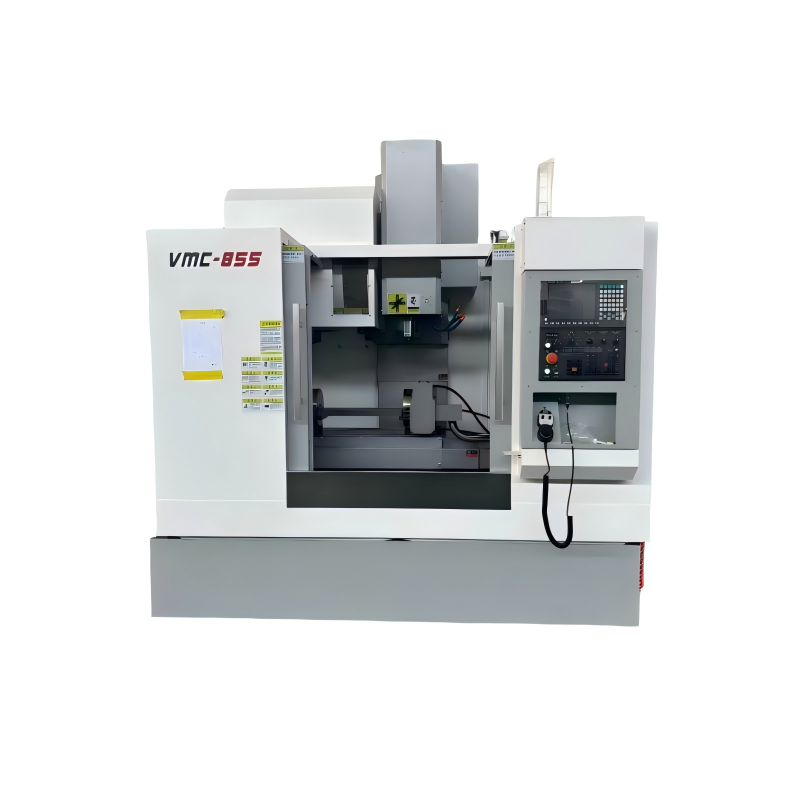
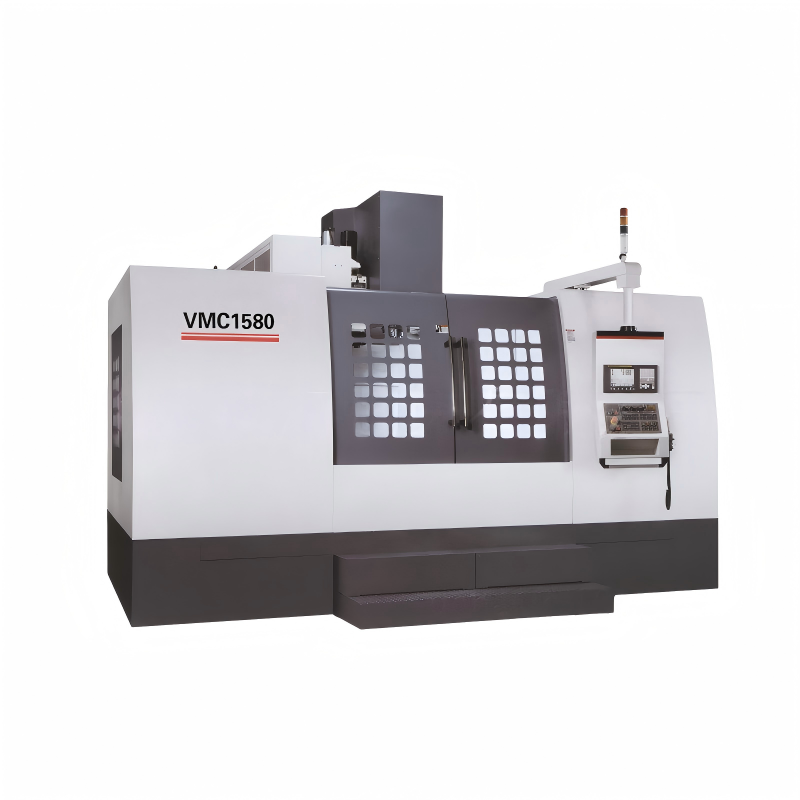
The conventional lathe machine, a fundamental tool in the world of machining, has been a cornerstone for precision manufacturing across various industries since its inception. This section delves into the core components and operational principles of these machines, providing a solid foundation for understanding their versatility. A conventional lathe primarily consists of a bed, headstock, tailstock, carriage, and cutting tools. The bed serves as the base, offering stability and support to all other parts. Positioned at one end of the bed is the headstock, which houses the spindle that rotates the workpiece. On the opposite side, the tailstock can be adjusted along the bed to hold longer workpieces or to provide additional support. The carriage, equipped with a cross-slide and compound rest, moves along the bed, allowing for precise positioning of the cutting tool. Through the coordinated movement of these components, the conventional lathe machine can perform a wide array of operations, from turning and facing to threading and drilling.
In the automotive sector, where precision and efficiency are paramount, conventional lathe machines play a crucial role. These machines are employed in the production of various components such as engine parts, gears, and shafts. One of the key advantages of using a conventional lathe in this industry is its ability to produce highly accurate and repeatable parts, which is essential for ensuring the reliability and performance of vehicles. For instance, in the manufacturing of engine cylinders, the lathe's capability to maintain tight tolerances ensures that each cylinder is precisely machined to fit within the engine block, thereby enhancing the overall engine performance. Additionally, the versatility of the conventional lathe allows for the customization of parts, enabling manufacturers to adapt to specific design requirements and innovations. This flexibility not only supports the continuous improvement of automotive technologies but also contributes to cost-effectiveness by reducing the need for specialized machinery.
The aerospace industry, known for its stringent quality and safety standards, relies heavily on the capabilities of conventional lathe machines. These machines are used in the fabrication of critical components such as turbine blades, landing gear, and structural parts. The precision and accuracy of the conventional lathe are indispensable in this field, as even the slightest deviation can have catastrophic consequences. For example, when machining turbine blades, the lathe must ensure that the blade's shape and dimensions are exact to optimize aerodynamic performance and fuel efficiency. Moreover, the ability of the conventional lathe to handle a variety of materials, including high-strength alloys and composites, makes it an invaluable tool in the aerospace sector. The robustness and reliability of these machines enable them to withstand the rigorous demands of aerospace manufacturing, ensuring that the final products meet the highest standards of quality and safety.
Beyond specialized industries, conventional lathe machines are a staple in general machining workshops, where they are utilized for a broad range of tasks. Their versatility lies in the ability to perform multiple operations on a single machine, making them a cost-effective solution for small to medium-sized enterprises. In general machining, the conventional lathe is often used for turning, facing, and parting operations, as well as for more complex tasks like threading and knurling. The adaptability of these machines allows them to handle a wide variety of materials, from common metals like steel and aluminum to more exotic materials such as titanium and plastics. This flexibility is particularly beneficial for job shops and contract manufacturers, who often need to switch between different projects and materials. By providing a reliable and efficient means of producing high-quality parts, conventional lathes contribute significantly to the productivity and competitiveness of general machining operations.
While the conventional lathe machine has a long and storied history, modern advancements in technology have further enhanced its capabilities. Innovations such as digital readouts (DROs), computer numerical control (CNC) systems, and advanced tooling have transformed the traditional lathe into a more precise and efficient machine. DROs, for example, provide real-time feedback on the position of the cutting tool, improving accuracy and reducing the likelihood of errors. CNC systems, on the other hand, automate the machining process, allowing for the execution of complex and repetitive tasks with minimal human intervention. This not only increases productivity but also ensures consistent quality across large production runs. Furthermore, the development of new cutting tools and materials has expanded the range of applications for conventional lathes, enabling them to tackle more challenging and intricate machining tasks. As technology continues to evolve, the conventional lathe remains a vital and adaptable tool, capable of meeting the ever-changing demands of modern manufacturing.
 29/06/2026
Understanding the Fundamental Principles of a Conventional Lathe MachineA conventional lathe machine is a critical piece of equipment in the manufacturing and engineering industries, known for its versatility and precision. At its core, a lathe allows ope
Read More29/06/2026Conventional lathe machines have been a cornerstone in the manufacturing and crafting industries for centuries, evolving from simple wooden structures to sophisticated metal contraptions capable of producing intricate and precise components. This report d
Read More29/06/2026Conventional lathe machines have long been a cornerstone of manufacturing, offering precision and versatility in the production of cylindrical parts. However, as technology advances, the future of conventional lathe machines is being shaped by new trends
Read More29/06/2026Conventional lathe machines, despite being one of the oldest machine tools, remain a cornerstone in manufacturing processes. Their versatility and reliability make them indispensable for a wide range of applications, from small-scale workshops to large in
Read More29/06/2026Conventional lathe machines, despite the advancements in CNC technology, continue to play a crucial role in precision engineering. These machines are not only cost-effective but also offer a level of manual control that is often essential for certain appl
Read More29/06/2026Understanding the Basics of Conventional Lathe MachinesA conventional lathe machine, also known as a metal lathe, is a versatile tool used in workshops for machining processes such as turning, facing, drilling, and threading. It operates by rotating the w
Read More29/06/2026Conventional lathe machines have been a cornerstone of manufacturing and machining processes for centuries, providing the precision and versatility needed to shape materials into intricate components. However, like any piece of machinery, their efficiency
Read More29/06/2026Understanding the operation of a Conventional Lathe Machine is fundamental for anyone involved in manufacturing, from hobbyists to professional machinists. This versatile tool has been a cornerstone of metalworking and woodworking for centuries, enabling
Read More29/06/2026Conventional lathe machines have been a cornerstone of the manufacturing industry for centuries, evolving significantly over time to meet the changing demands of modern production. As technology advances, these machines continue to play a vital role in sh
Read MoreOur professional sales team is always ready to assist you.