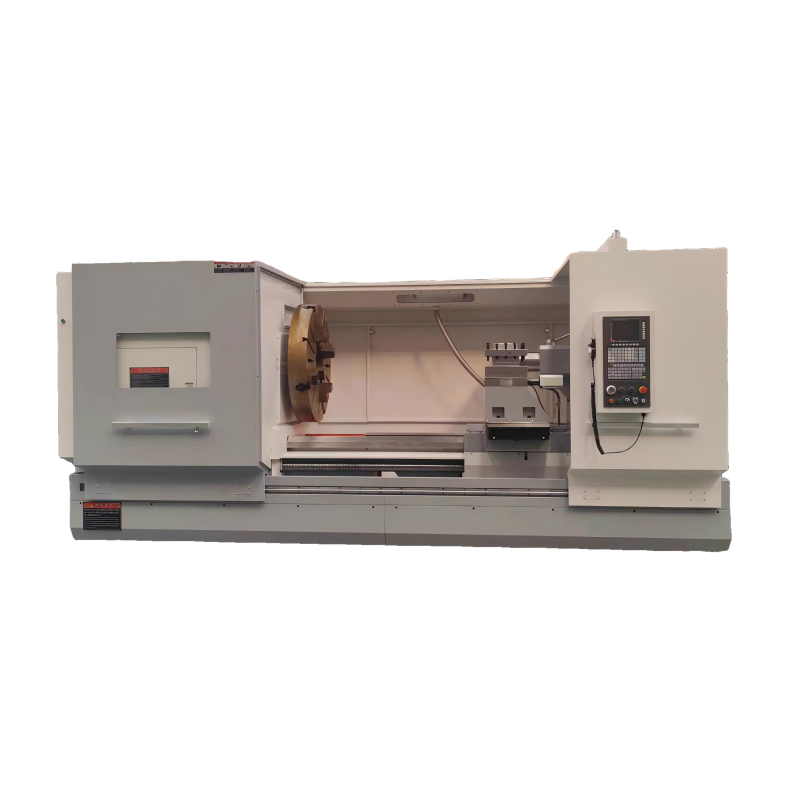
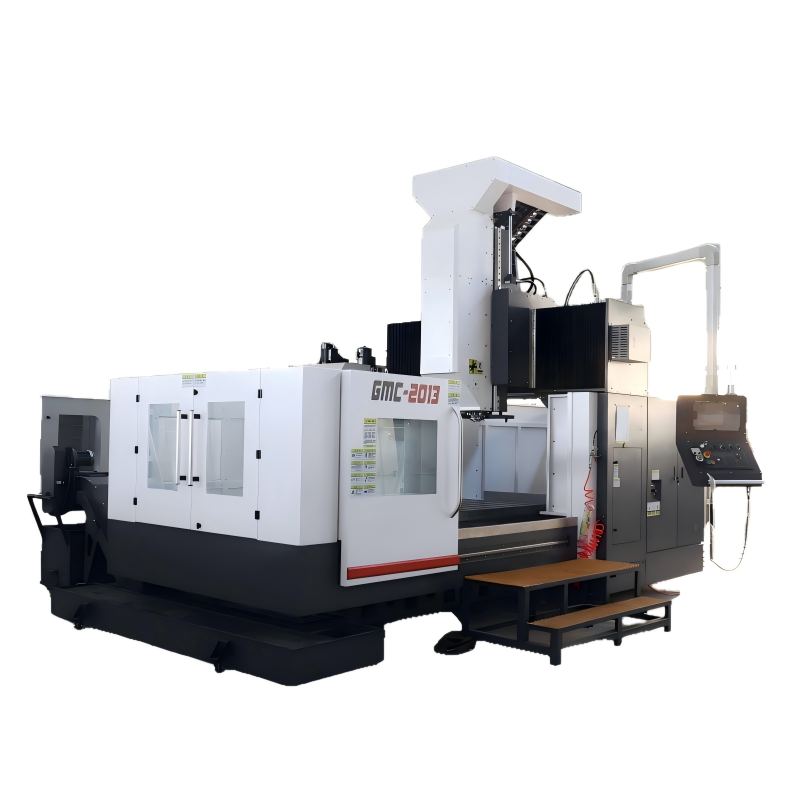
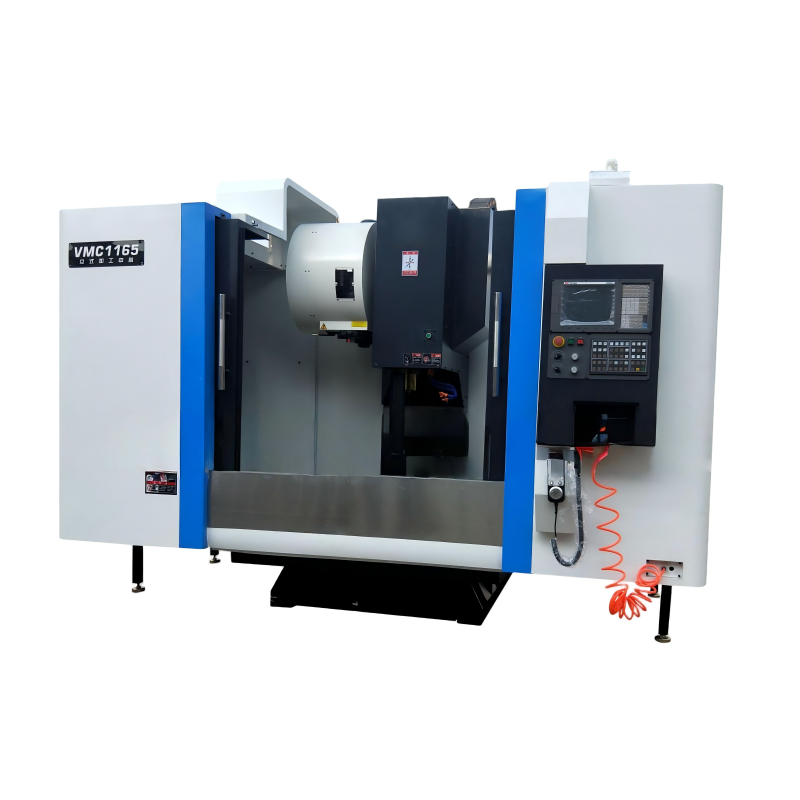
High Speed VMC, or High-Speed Vertical Machining Center, represents a significant advancement in the field of manufacturing and machining. These machines are designed to operate at higher speeds than their traditional counterparts, offering improved efficiency, precision, and productivity. This comprehensive guide aims to provide an in-depth understanding of high-speed VMCs, exploring their benefits, applications, and key considerations for implementation.
Vertical Machining Centers (VMCs) have been a staple in the manufacturing industry for decades. However, with the advent of high-speed VMCs, the landscape has shifted dramatically. Traditional VMCs were limited by their speed and accuracy, which often resulted in longer production times and less precise components. The introduction of high-speed VMCs has addressed these limitations, providing manufacturers with a more efficient and accurate solution.
High-speed VMCs utilize advanced technologies such as high-torque spindles, rapid traverse rates, and advanced control systems. These features enable them to achieve higher cutting speeds and feed rates, resulting in faster cycle times and improved surface finishes. The evolution from conventional VMCs to high-speed VMCs has been driven by the need for increased productivity and quality in a highly competitive market.
The adoption of high-speed VMCs offers several advantages that can significantly enhance the efficiency and profitability of manufacturing operations. Some of the key benefits include:
These benefits make high-speed VMCs an attractive option for manufacturers looking to stay competitive and meet the demands of modern production.
High-speed VMCs find applications across a wide range of industries, including automotive, aerospace, medical, and electronics. Their ability to handle a variety of materials and complex geometries makes them suitable for a diverse set of tasks. Some common applications include:
These applications demonstrate the versatility and importance of high-speed VMCs in various industries, highlighting their role in driving innovation and improving manufacturing processes.
While high-speed VMCs offer numerous benefits, there are several key considerations that manufacturers should take into account when implementing these machines. Proper planning and preparation are essential to ensure a successful transition and maximize the return on investment. Some of the key considerations include:
By carefully considering these factors, manufacturers can ensure a smooth and successful implementation of high-speed VMCs, leading to enhanced efficiency and competitiveness.
High-speed VMCs represent a significant leap forward in the field of manufacturing, offering improved efficiency, precision, and productivity. Their ability to handle a wide range of materials and complex geometries makes them a versatile and valuable addition to any manufacturing operation. By understanding the key benefits, applications, and considerations for implementing high-speed VMCs, manufacturers can make informed decisions and drive their operations to new heights of success.
As the manufacturing industry continues to evolve, the adoption of high-speed VMCs will play a crucial role in meeting the demands of a highly competitive and rapidly changing market. Embracing this technology can provide a significant competitive advantage, enabling manufacturers to produce higher-quality products, reduce costs, and stay ahead of the curve.
 26/06/2026
The Evolution of Tool and Die Making with High Speed VMC In the rapidly evolving world of manufacturing, tool and die making has undergone significant transformations. One such transformation is the adoption of high-speed Vertical Machining Centers (VMC).
Read More26/06/2026Introduction to High Speed VMC TechnologyThe evolution of manufacturing technology has led to the development of more efficient, precise, and versatile machines. Among these, the High Speed VMC (Vertical Machining Center) stands out as a critical tool for
Read More26/06/2026High Speed VMC (Vertical Machining Center) has become an indispensable tool in modern manufacturing, offering unparalleled precision and efficiency. This comprehensive guide aims to explore the various aspects of maximizing output with a High Speed VMC, f
Read More25/06/2026High speed VMC, or Vertical Machining Center, technology has emerged as a transformative force in the manufacturing and production industries. This advanced machining solution is characterized by its exceptional speed, precision, and versatility, making i
Read More25/06/2026High Speed VMC, or High-Speed Vertical Machining Centers, have emerged as a transformative force in the automotive industry. These advanced machines are designed to perform high-precision machining at exceptionally fast speeds, making them indispensable f
Read More25/06/2026Introduction to High Speed VMC in AerospaceThe advent of high-speed Vertical Machining Centers (VMC) has significantly transformed the manufacturing landscape, especially within the aerospace industry. These advanced machines are designed to handle comple
Read More25/06/2026Understanding the Evolution of High Speed VMC in CNC MachiningIn the realm of manufacturing, the integration of advanced technologies has always been a driving force behind progress. One such advancement that stands out is the High Speed VMC (Vertical Mac
Read More24/06/2026The Evolution of High Speed VMCsHigh speed vertical machining centers (VMCs) have become a cornerstone in the modern manufacturing industry, offering unparalleled precision and efficiency. The evolution of these machines has been driven by advancements in
Read More24/06/2026IntroductionThe advent of High Speed VMC (Vertical Machining Center) solutions has revolutionized the manufacturing industry, enabling businesses to achieve unprecedented levels of productivity and efficiency. This report delves into the transformative im
Read More24/06/2026High-speed VMCs (Vertical Machining Centers) have become an indispensable part of modern industrial manufacturing, thanks to their ability to deliver precision, speed, and efficiency. This report delves into the advanced features of high-speed VMCs, highl
Read More24/06/2026The advent of the High Speed VMC (Vertical Machining Center) has ushered in a new era for precision engineering, transforming the way industries approach machining processes. This technical report delves into the impact and significance of High Speed VMCs
Read More23/06/2026High Speed VMC (Vertical Machining Center) technologies are revolutionizing the landscape of modern manufacturing, offering unparalleled precision, efficiency, and productivity. This report delves into the transformative impact of High Speed VMC innovatio
Read More23/06/2026High-speed Vertical Machining Centers (VMC) represent a significant leap forward in the world of manufacturing, offering unprecedented levels of productivity and precision. This technology has been pivotal in transforming traditional machining processes,
Read More23/06/2026In the ever-evolving landscape of manufacturing, the introduction and continuous improvement of High Speed VMC (Vertical Machining Centers) have been pivotal in transforming the efficiency and precision of machining processes. This report delves into the
Read More23/06/2026High Speed VMC, or High Speed Vertical Machining Center, represents a significant leap in the evolution of manufacturing technology. This advancement not only improves upon the traditional vertical machining center but also sets new standards for precisio
Read MoreOur professional sales team is always ready to assist you.