The Evolution of Tool and Die Making with High Speed VMC
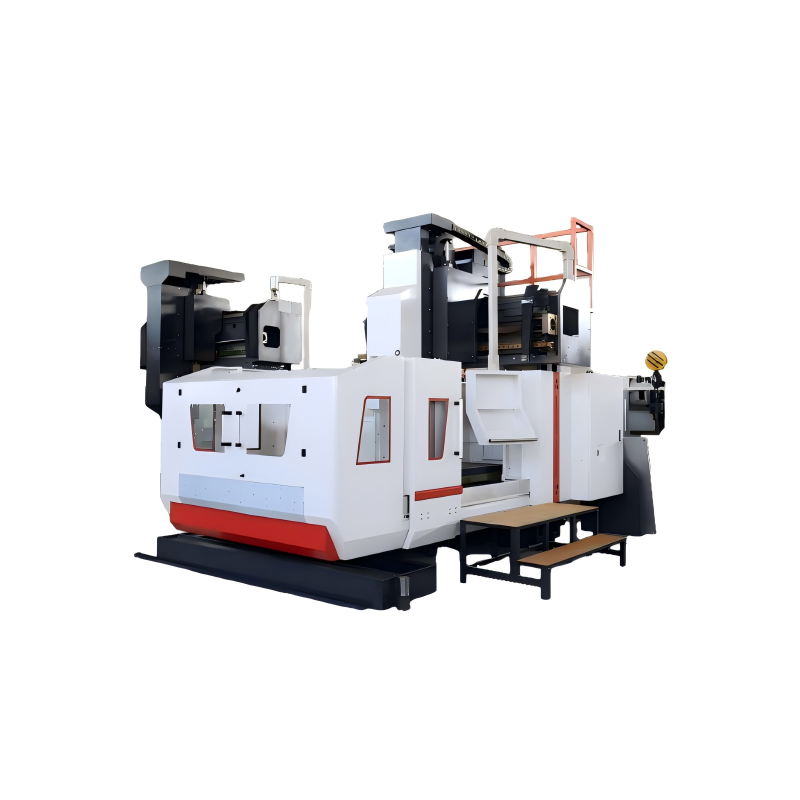
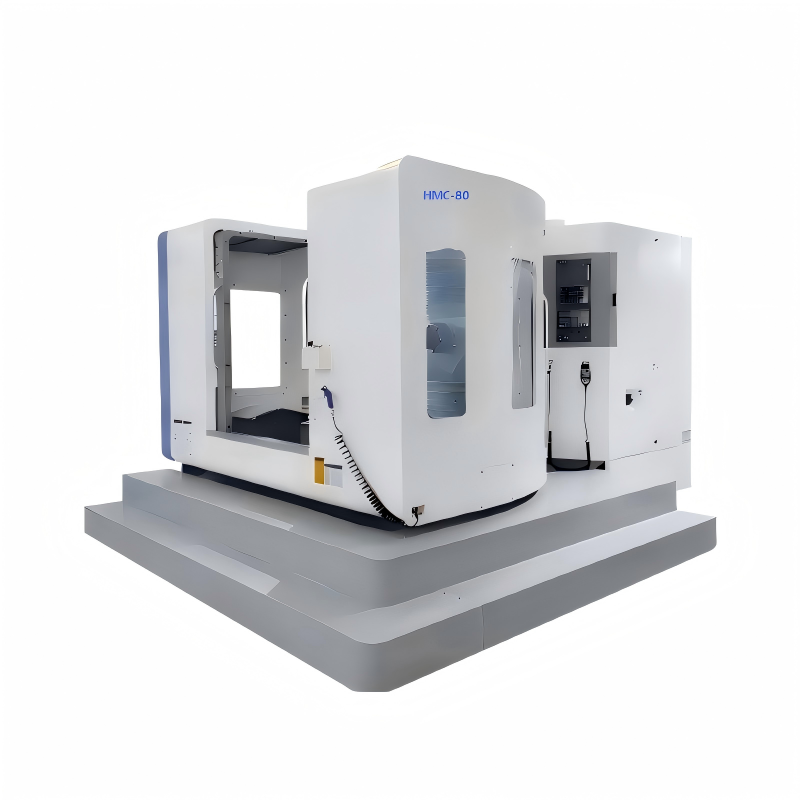
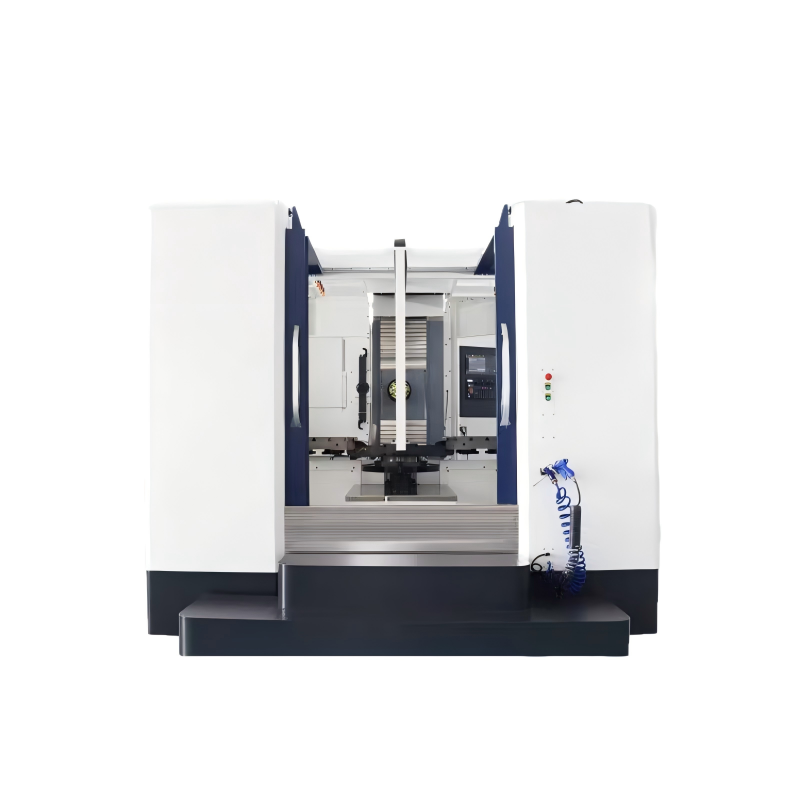
In the rapidly evolving world of manufacturing, tool and die making has undergone significant transformations. One such transformation is the adoption of high-speed Vertical Machining Centers (VMC). These advanced machines are designed to perform complex machining operations at unprecedented speeds, revolutionizing the industry. The integration of high speed VMC into tool and die making not only enhances productivity but also improves the overall quality of the products. This section will explore how these machines have evolved over time and their impact on modern manufacturing processes.
Enhancing Precision and Accuracy in Manufacturing
High speed VMC plays a crucial role in achieving high levels of precision and accuracy, which are paramount in tool and die making. These machines are equipped with advanced features such as spindle speeds that can reach up to 30,000 RPM, along with rapid traverse rates and high acceleration capabilities. Such characteristics enable the machine to produce parts with extremely tight tolerances, ensuring that each component meets the exact specifications required. Furthermore, the use of high-quality cutting tools and materials, coupled with the precise control systems of the VMC, results in a finished product that is both highly accurate and consistent across multiple production runs. This level of precision is essential for applications where even the slightest deviation can lead to part failure or suboptimal performance, thus highlighting the importance of high speed VMC in maintaining the highest standards of quality in tool and die making.
Increasing Efficiency and Reducing Costs
One of the most significant benefits of incorporating high speed VMC into tool and die making is the substantial increase in efficiency it brings. Traditional machining methods often involve multiple setups and long cycle times, which can be both time-consuming and costly. In contrast, high speed VMC allows for single setup operations, reducing the need for manual intervention and minimizing the potential for human error. By streamlining the manufacturing process, these machines can significantly reduce the overall production time, leading to faster turnaround times and increased throughput. Additionally, the ability to perform multiple operations in a single pass, such as milling, drilling, and tapping, further enhances the efficiency of the process. This not only reduces labor costs but also lowers the amount of material waste, as the precise cutting action of the VMC minimizes the amount of scrap produced. Overall, the adoption of high speed VMC in tool and die making leads to a more efficient, cost-effective, and sustainable manufacturing environment.
Flexibility and Versatility in Design and Production
Another key advantage of high speed VMC in tool and die making is its flexibility and versatility. These machines are capable of handling a wide range of materials, from soft metals like aluminum to harder alloys and even composites. This adaptability allows manufacturers to tackle diverse projects without the need for specialized equipment, thereby expanding their production capabilities. Moreover, the advanced software and control systems integrated into high speed VMCs enable operators to quickly reprogram the machine for different tasks, making it easy to switch between various jobs and designs. This flexibility is particularly valuable in today's fast-paced market, where the demand for customized and innovative products is constantly growing. By providing the means to efficiently produce a variety of components, high speed VMC supports the development of new and improved tool and die designs, driving innovation and competitiveness in the industry.
Future Trends and Technological Advancements
As technology continues to advance, the future of high speed VMC in tool and die making looks promising. Emerging trends such as Industry 4.0 and the Internet of Things (IoT) are set to further enhance the capabilities of these machines. For instance, the integration of IoT sensors and real-time data analytics can provide valuable insights into the performance of the VMC, allowing for predictive maintenance and optimized operation. Additionally, advancements in automation and robotics are expected to make high speed VMC even more efficient, enabling fully automated production lines that can operate 24/7 with minimal human supervision. These developments will not only improve the reliability and productivity of the machines but also pave the way for more sustainable and environmentally friendly manufacturing practices. As the industry continues to evolve, high speed VMC will remain a critical tool in the arsenal of tool and die makers, driving progress and innovation in the years to come.

 26/06/2026



