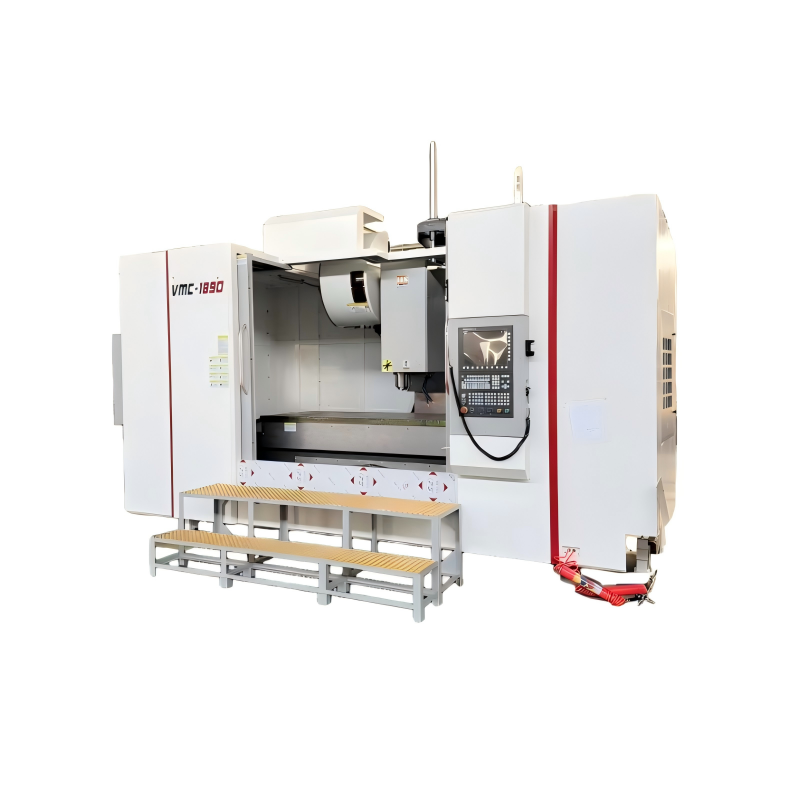
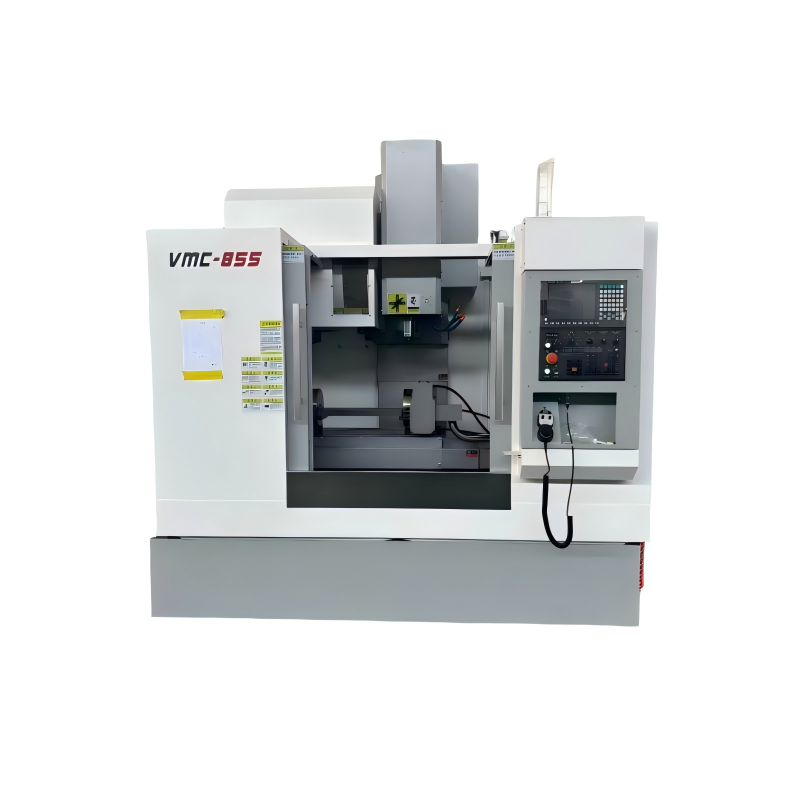
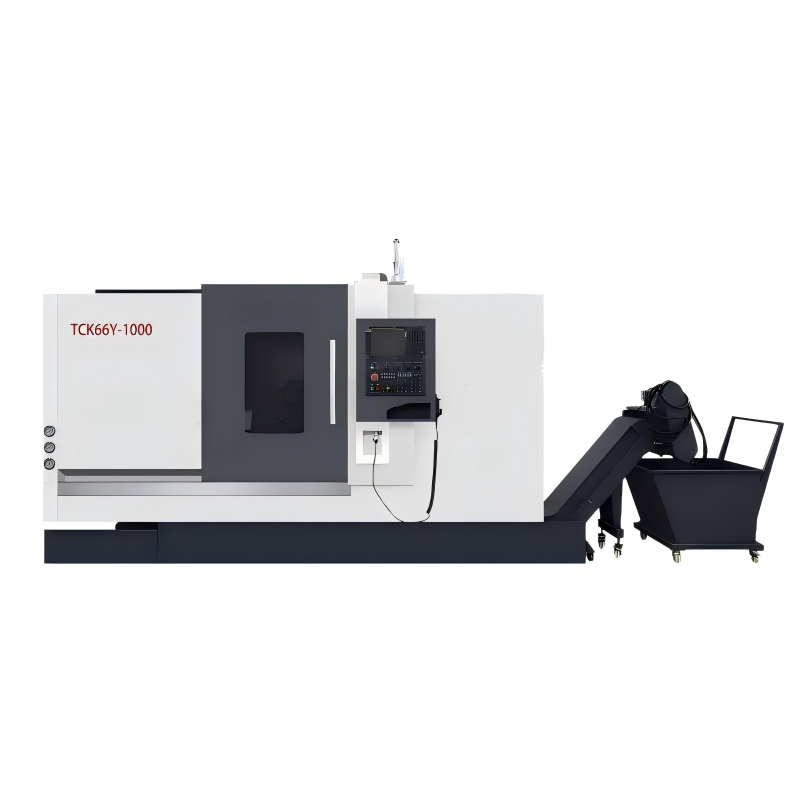
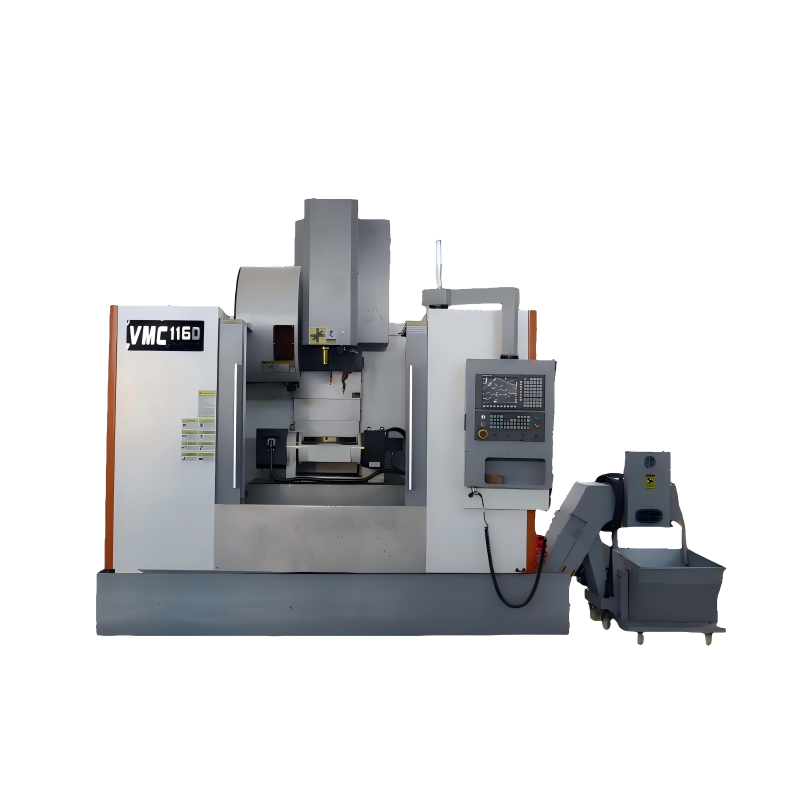
Linear guideways play a crucial role in the performance and longevity of Vertical Machining Centers (VMCs). These components are responsible for ensuring smooth, precise, and repeatable motion along the X, Y, and Z axes. This comprehensive guide aims to provide detailed insights into the maintenance of linear guideways in VMCs, covering key aspects such as cleaning, lubrication, inspection, and troubleshooting. By following these best practices, operators can significantly enhance the operational efficiency and lifespan of their VMCs.
Linear guideways, also known as linear guides or linear slides, are essential for the accurate movement of machine tools. In VMCs, they support the cutting tool and workpiece, allowing for precise positioning and high-speed operation. The quality and condition of the linear guideway directly impact the overall performance of the machine, including accuracy, repeatability, and surface finish. Therefore, it is imperative to maintain these components in optimal condition to ensure consistent and reliable machining results.
One of the most critical aspects of maintaining linear guideways is regular cleaning. Over time, dust, chips, and other debris can accumulate on the guideways, leading to increased friction, wear, and potential damage. To prevent this, it is recommended to clean the guideways at least once a week, or more frequently if the machine operates in a dusty environment.
To clean the linear guideways, follow these steps:
Regular cleaning not only extends the life of the linear guideways but also ensures that the VMC operates at its peak performance, reducing the risk of downtime and costly repairs.
Proper lubrication is another vital aspect of maintaining linear guideways in VMCs. Lubricants reduce friction between the moving parts, minimizing wear and tear and ensuring smooth, consistent motion. The type and frequency of lubrication depend on the specific model of the VMC and the manufacturer's recommendations. However, some general guidelines can be followed to ensure effective lubrication:
By adhering to these lubrication practices, operators can ensure that the linear guideways in their VMCs operate smoothly and efficiently, extending the lifespan of the machine and improving overall productivity.
Regular inspection of the linear guideways is crucial for early detection of wear and potential issues. Inspections should be conducted at least monthly, or more frequently if the VMC is used in high-volume production. During inspections, operators should look for the following signs of wear or damage:
By conducting regular inspections and addressing any issues early, operators can prevent major breakdowns and extend the lifespan of the VMC. Additionally, keeping a log of inspection findings and maintenance activities can help in tracking the condition of the linear guideways over time and identifying trends or recurring issues.
Despite regular maintenance, issues with linear guideways can still arise. It is important to be able to identify and troubleshoot these issues to minimize downtime and maintain the VMC's performance. Here are some common issues and their solutions:
By being proactive in troubleshooting and addressing these issues, operators can maintain the optimal performance of their VMCs and avoid costly repairs or downtime. Regular maintenance, combined with prompt troubleshooting, is key to ensuring the long-term reliability and efficiency of the machine.
In conclusion, the maintenance of linear guideways in VMCs is a critical aspect of ensuring the machine's performance and longevity. By following the best practices outlined in this guide, including regular cleaning, proper lubrication, thorough inspections, and effective troubleshooting, operators can significantly enhance the operational efficiency and lifespan of their VMCs. A well-maintained VMC not only delivers consistent and high-quality machining results but also minimizes downtime and reduces maintenance costs, making it a valuable asset in any manufacturing environment.
 25/06/2026
In the world of manufacturing, precision and efficiency are paramount. Vertical Machining Centers (VMCs) play a crucial role in achieving these goals, and one of the key components that enhance their performance is the linear guideway. This report explore
Read More25/06/2026Linear Guideway VMCs (Vertical Machining Centers) are a staple in the modern manufacturing industry, offering unparalleled precision and efficiency. This report aims to explore best practices for utilizing linear guideways within VMCs to maximize producti
Read More25/06/2026Linear guideways have become a cornerstone in the advancement of Vertical Machining Centers (VMCs), significantly influencing their performance, precision, and overall efficiency. As we look towards the future, it is essential to understand the current tr
Read More24/06/2026Linear guideways play a crucial role in the performance and efficiency of Vertical Machining Centers (VMC). These components are essential for ensuring smooth, precise, and reliable motion in VMCs, which are widely used in various manufacturing processes.
Read More24/06/2026The evolution of manufacturing technologies has led to significant advancements in the design and functionality of machine tools. Among these, the Linear Guideway Vertical Machining Center (VMC) stands out as a critical component for precision machining o
Read More24/06/2026Understanding the Importance of Linear Guideways in VMCsWhen it comes to the performance and longevity of a Vertical Machining Center (VMC), the choice of Linear Guideway VMC can significantly influence both. A linear guideway is an essential component th
Read More24/06/2026The advancement in manufacturing technology has brought about significant improvements in the efficiency and performance of various machine tools. One such innovation, the Linear Guideway, when integrated into Vertical Machining Centers (VMCs), demonstrat
Read More23/06/2026Linear guideways play a crucial role in the precision and performance of Vertical Machining Centers (VMCs). As manufacturing industries continue to demand higher accuracy, faster processing speeds, and longer machine life, the enhancements made to linear
Read More23/06/2026Understanding the Role of Linear Guideways in VMCsIn the realm of precision engineering, the Vertical Machining Center (VMC) stands out as a versatile and indispensable tool. A key component contributing to its accuracy and efficiency is the linear guidew
Read More23/06/2026In the realm of modern manufacturing, precision and efficiency are paramount. One technology that significantly contributes to achieving these goals is the Vertical Machining Center (VMC) equipped with linear guideways. This report delves into how VMCs, p
Read More23/06/2026The evolution of manufacturing technologies has led to significant improvements in the efficiency, precision, and durability of machining processes. One such advancement is the integration of linear guideways into Vertical Machining Centers (VMCs). This t
Read MoreOur professional sales team is always ready to assist you.