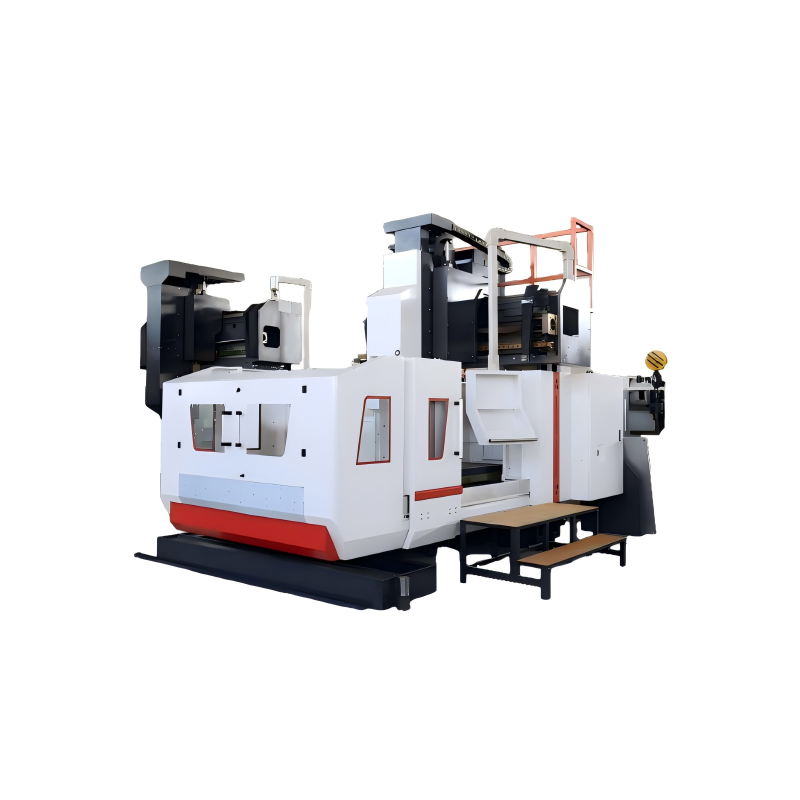
The vertical Precision Milling Machine is a critical piece of equipment in many manufacturing and engineering environments. It allows for the precise cutting, shaping, and finishing of materials to meet exact specifications. However, like all machinery, it requires regular maintenance to ensure optimal performance and longevity. This guide aims to provide a comprehensive overview of the essential steps and best practices for maintaining your Vertical Precision Milling Machine.
Understanding the Importance of Regular Maintenance
Maintenance is not just about keeping the machine running; it's about ensuring that it operates at its peak efficiency. Regular maintenance can prevent unexpected breakdowns, reduce downtime, and extend the life of the machine. By adhering to a well-structured maintenance schedule, you can identify and address potential issues before they become major problems. This proactive approach not only saves time and money but also ensures that the quality of the work produced remains consistently high.
Key Components to Inspect and Maintain
Several key components of the vertical precision milling machine require regular inspection and maintenance. These include the spindle, bearings, belts, and lubrication systems. The spindle, for example, is the heart of the machine, responsible for holding and rotating the cutting tool. Regularly checking the spindle for wear and tear, and ensuring it is properly lubricated, is crucial for maintaining accuracy and preventing damage. Bearings, on the other hand, support the spindle and must be inspected for signs of wear or misalignment. Additionally, belts should be checked for tension and condition, as loose or worn belts can affect the machine's performance. Finally, the lubrication system must be regularly serviced to ensure that all moving parts are adequately lubricated, reducing friction and wear.
Developing a Maintenance Schedule
A well-structured maintenance schedule is essential for keeping your vertical precision milling machine in top condition. The schedule should include daily, weekly, monthly, and annual tasks. Daily tasks might include cleaning the machine, checking for any visible signs of wear, and ensuring that the work area is free from debris. Weekly tasks could involve inspecting the spindle, belts, and bearings, as well as checking the lubrication levels. Monthly tasks might include more in-depth inspections and adjustments, such as recalibrating the machine and checking the alignment of the cutting tools. Annual tasks could involve a complete overhaul, including replacing worn parts, servicing the lubrication system, and conducting a thorough inspection of the entire machine. By following this schedule, you can ensure that your vertical precision milling machine remains in excellent working order.
Training and Documentation
Proper training and documentation are vital for effective maintenance. All operators and maintenance personnel should be trained on the correct procedures for operating and maintaining the vertical precision milling machine. This includes understanding the importance of each maintenance task, knowing how to perform them, and recognizing when additional help is needed. Documentation, such as maintenance logs and manuals, should be kept up-to-date and easily accessible. These documents should detail the maintenance schedule, record all maintenance activities, and provide troubleshooting guides for common issues. By ensuring that everyone involved with the machine is well-informed and trained, you can minimize the risk of errors and ensure that the machine is always in the best possible condition.
Utilizing Technology for Enhanced Maintenance
Advancements in technology have made it easier than ever to maintain complex machinery like the vertical precision milling machine. Many modern machines come equipped with sensors and monitoring systems that can detect issues in real-time. These systems can alert operators to potential problems, allowing for immediate action to be taken. Additionally, computerized maintenance management systems (CMMS) can help streamline the maintenance process by automating scheduling, tracking, and reporting. By leveraging these technologies, you can enhance the efficiency and effectiveness of your maintenance efforts, ensuring that your vertical precision milling machine continues to operate at its best.
In conclusion, maintaining a vertical precision milling machine is a multifaceted process that requires attention to detail, regular inspections, and a well-structured maintenance schedule. By understanding the importance of each component, developing a comprehensive maintenance plan, and utilizing the latest technology, you can ensure that your machine remains in top condition, delivering high-quality results for years to come.
 01/07/2026



