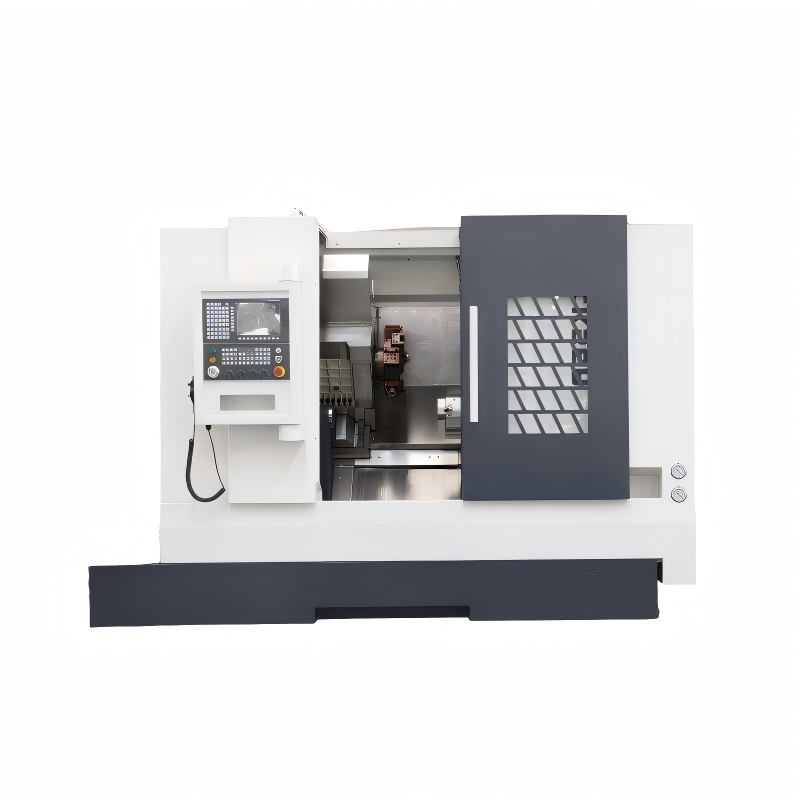
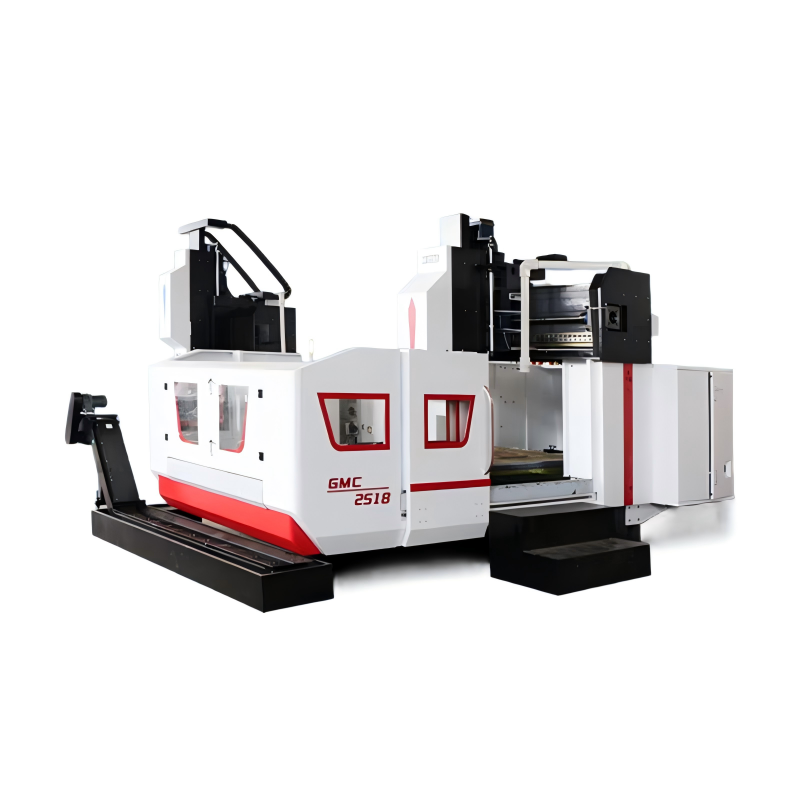
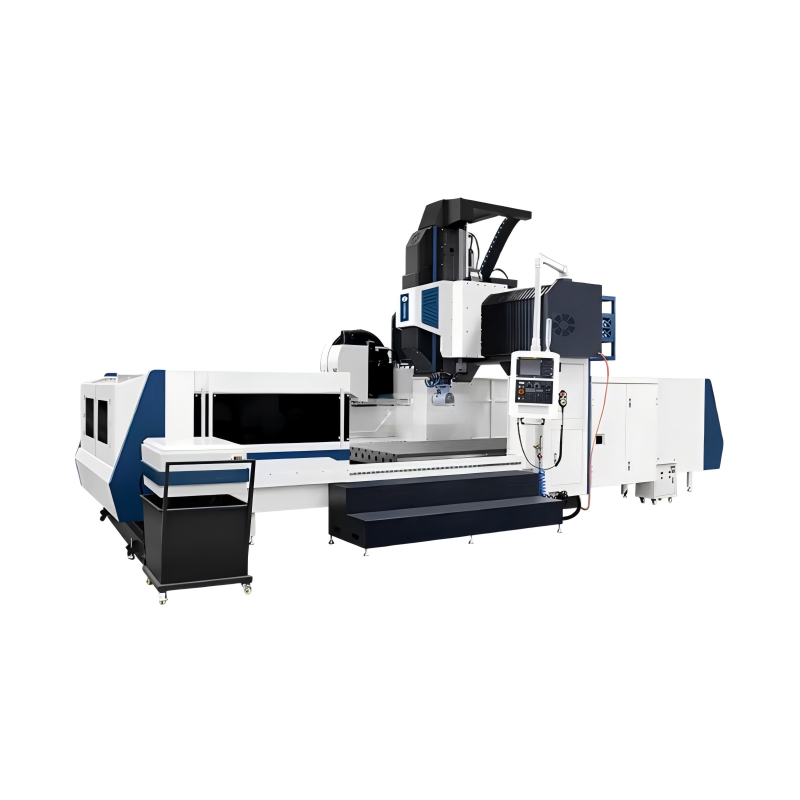
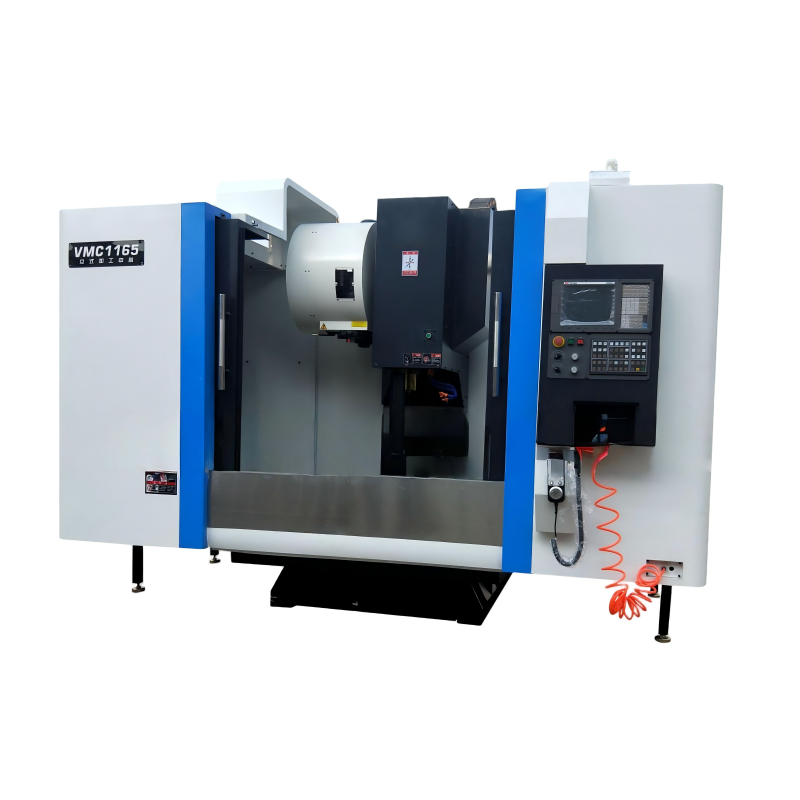
Vertical Precision Milling Machines have become indispensable tools in the modern manufacturing landscape, particularly within high-precision industries such as aerospace. These machines offer unparalleled accuracy and versatility, enabling manufacturers to produce complex components with tight tolerances. This report delves into how Vertical Precision Milling Machines are revolutionizing the aerospace industry, highlighting their key contributions and the future prospects they hold.
The aerospace industry has always been at the forefront of technological innovation, constantly pushing the boundaries of what is possible. The introduction of Vertical Precision Milling Machines has been a significant milestone in this journey. Traditional milling machines, while effective, often struggled to meet the stringent precision requirements of aerospace components. With the advent of vertical precision milling, these limitations have been significantly reduced. The ability to perform multi-axis machining, combined with advanced control systems, has enabled the production of highly complex and intricate parts with unprecedented accuracy.
One of the key advantages of Vertical Precision Milling Machines is their ability to handle a wide range of materials, including exotic alloys and composites, which are commonly used in aerospace applications. This versatility ensures that manufacturers can produce components that meet the exacting standards of the industry, from engine parts to structural components.
Efficiency is a critical factor in the aerospace industry, where time and cost savings can translate into significant competitive advantages. Vertical Precision Milling Machines play a pivotal role in enhancing operational efficiency. By automating many of the processes involved in machining, these machines reduce the need for manual intervention, thereby minimizing the risk of human error and increasing overall productivity.
Moreover, the advanced software and control systems integrated into Vertical Precision Milling Machines enable real-time monitoring and adjustment of the machining process. This not only ensures consistent quality but also allows for the optimization of tool paths and cutting parameters, leading to faster production cycles and reduced material waste. The result is a more streamlined and cost-effective manufacturing process, which is crucial in an industry where every dollar counts.
The performance of Vertical Precision Milling Machines is intrinsically linked to the advancements in material and tooling technology. The development of new, high-performance cutting tools and coatings has significantly enhanced the capabilities of these machines. For instance, the use of diamond-coated tools and ceramic inserts has improved the durability and cutting efficiency, allowing for the machining of even the most challenging materials with ease.
Additionally, the integration of smart tooling systems, which include sensors and data analytics, provides real-time feedback on tool wear and performance. This information is invaluable for predictive maintenance, ensuring that tools are replaced before they fail, thus avoiding costly downtime and maintaining the highest levels of precision and quality.
The concept of Industry 4.0, or the fourth industrial revolution, emphasizes the integration of advanced technologies such as the Internet of Things (IoT), artificial intelligence (AI), and big data analytics into manufacturing processes. Vertical Precision Milling Machines are at the forefront of this transformation, as they are increasingly being equipped with IoT-enabled sensors and AI-driven control systems.
These smart machines can collect and analyze vast amounts of data, providing insights into machine performance, part quality, and production efficiency. This data can be used to optimize the entire manufacturing process, from design to final assembly. For example, AI algorithms can predict potential issues before they occur, allowing for proactive maintenance and reducing the likelihood of unexpected downtime.
Furthermore, the integration of Vertical Precision Milling Machines with other smart manufacturing systems, such as automated material handling and robotic loading, creates a seamless and highly efficient production environment. This level of automation and integration is essential for the aerospace industry, where the demand for high-quality, precision-machined components is ever-increasing.
While Vertical Precision Milling Machines have already made a significant impact on the aerospace industry, there is still considerable room for growth and innovation. One of the key areas of focus is the continued development of advanced materials and cutting tools. As the aerospace industry continues to explore new materials, such as lightweight composites and advanced alloys, the need for more capable and versatile milling machines will only increase.
Another important area of development is the integration of additive manufacturing (AM) technologies with traditional milling processes. Hybrid machines that combine 3D printing with precision milling offer the potential to produce highly complex and customized components with greater efficiency and reduced material waste. This hybrid approach could revolutionize the way aerospace components are manufactured, enabling the creation of parts that were previously impossible to produce using conventional methods.
However, the adoption of these advanced technologies also presents challenges. The initial investment in Vertical Precision Milling Machines and related technologies can be substantial, and the need for skilled operators and engineers to manage these systems is critical. Additionally, the integration of new technologies into existing manufacturing processes requires careful planning and coordination to ensure a smooth transition.
In conclusion, Vertical Precision Milling Machines are playing a transformative role in the aerospace industry, driving improvements in precision, efficiency, and cost-effectiveness. As these machines continue to evolve and integrate with emerging technologies, they will undoubtedly remain a cornerstone of aerospace manufacturing, enabling the industry to meet the demands of the future.
 01/07/2026
Understanding the Basics of a Vertical Precision Milling MachineA vertical precision milling machine is a sophisticated piece of equipment used in the manufacturing industry for creating highly accurate and complex parts. This type of machine is designed
Read More01/07/2026The vertical precision milling machine is a critical piece of equipment in many manufacturing and engineering environments. It allows for the precise cutting, shaping, and finishing of materials to meet exact specifications. However, like all machinery, i
Read More01/07/2026In the realm of modern manufacturing, precision is not just a preference; it's a necessity. With advancements in technology, vertical precision milling machines have become an indispensable asset for industries requiring high accuracy and efficiency. This
Read More01/07/2026The evolution of machining technology has seen significant advancements over the years, with one of the most notable developments being the vertical precision milling machine. This piece of equipment has become indispensable in modern manufacturing, offer
Read More01/07/2026The advancement in manufacturing technology has brought about a significant transformation in how products are designed, developed, and produced. One such transformative tool is the Vertical Precision Milling Machine, which plays an increasingly crucial r
Read MoreOur professional sales team is always ready to assist you.