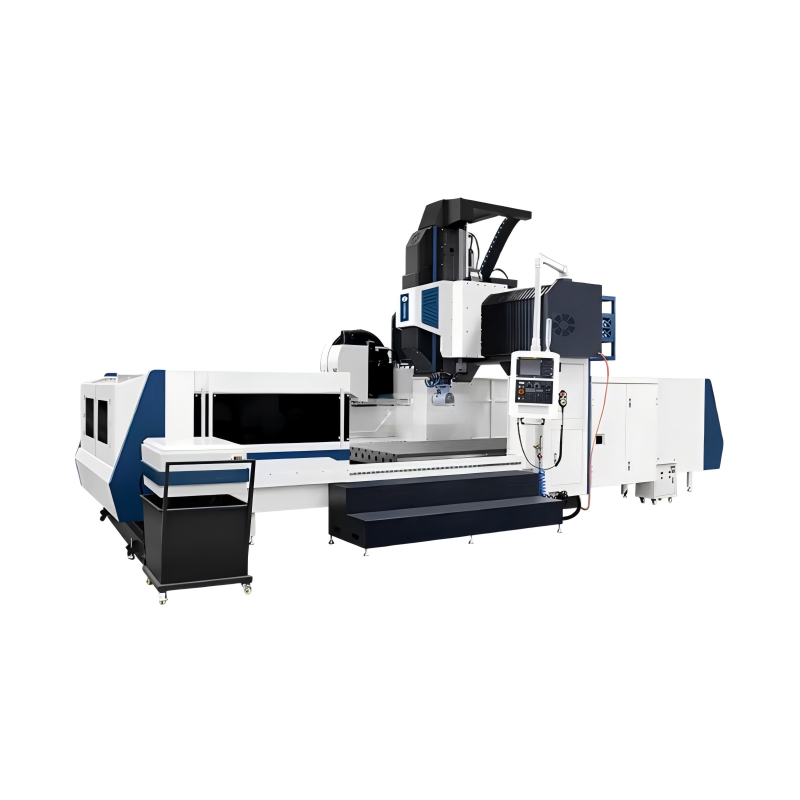
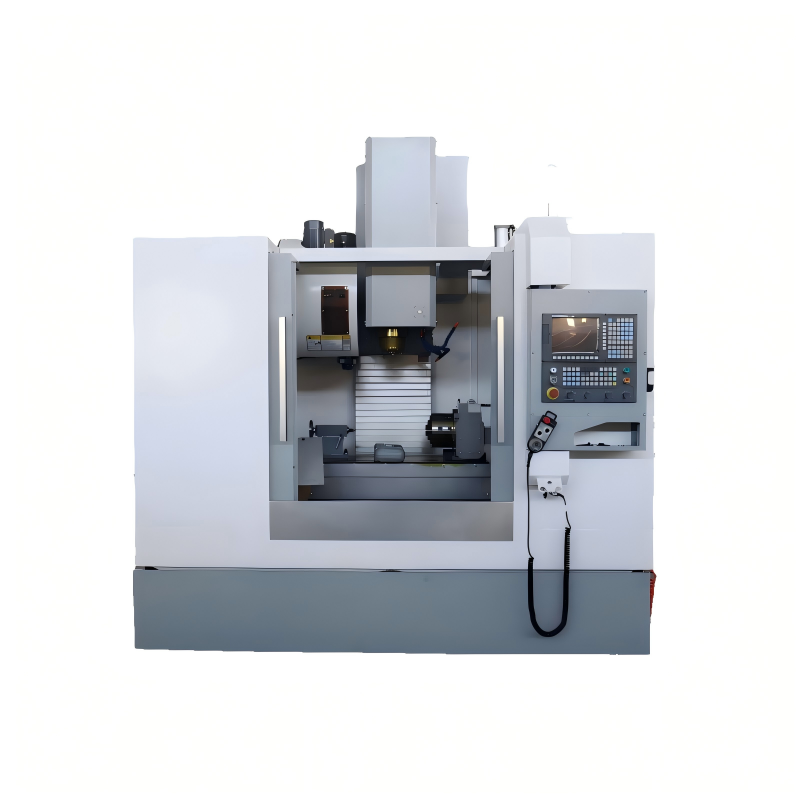
The evolution of machining technology has seen significant advancements over the years, with one of the most notable developments being the vertical Precision Milling Machine. This piece of equipment has become indispensable in modern manufacturing, offering unparalleled accuracy and versatility. In this technical report, we will explore the history, development, and key advantages of using a Vertical Precision Milling Machine in today's industrial landscape.
The origins of the milling machine can be traced back to the 19th century, when it was primarily used for cutting and shaping metal. However, the early versions were limited in their precision and capabilities. The introduction of the vertical precision milling machine marked a significant leap forward. Initially, these machines were mechanically driven, but as technology advanced, they transitioned to electric and later, computer-controlled systems. This evolution not only improved the speed and efficiency of the machines but also enhanced their precision and repeatability.
One of the key technological milestones was the integration of numerical control (NC) and later, computer numerical control (CNC) systems. These systems allowed for the automation of complex milling operations, enabling the creation of intricate and precise parts with minimal human intervention. The advent of CNC technology also facilitated the use of software for programming and simulation, further streamlining the manufacturing process.
Vertical precision milling machines are renowned for their ability to achieve high levels of precision and accuracy. This is largely due to the design of the machine, which features a spindle that is vertically oriented. This orientation allows for better control over the cutting tool, resulting in more accurate and consistent cuts. Additionally, the use of high-precision bearings and rigid construction materials ensures that the machine remains stable during operation, minimizing vibrations and deflections that could affect the quality of the workpiece.
Modern vertical precision milling machines often incorporate advanced features such as automatic tool changers, coolant systems, and real-time monitoring. These features not only enhance the precision of the machine but also improve its overall performance and reliability. For example, automatic tool changers allow for the rapid and accurate replacement of cutting tools, reducing downtime and increasing productivity. Coolant systems help to dissipate heat generated during the cutting process, preventing thermal deformation and maintaining the integrity of the workpiece.
Another significant advantage of vertical precision milling machines is their versatility. These machines can handle a wide range of materials, including metals, plastics, and composites, making them suitable for various industries such as aerospace, automotive, and medical. The ability to perform multiple operations on a single machine, such as drilling, tapping, and contouring, further enhances their utility. This multifunctionality reduces the need for multiple setups and machines, leading to cost savings and increased efficiency.
Furthermore, the adaptability of vertical precision milling machines is evident in their ability to accommodate different workpiece sizes and shapes. The machine's table can be adjusted to hold various types of fixtures and vises, allowing for the secure and precise positioning of the workpiece. This flexibility is particularly valuable in industries where customization and small batch production are common, as it enables manufacturers to quickly switch between different jobs without compromising on quality or precision.
The integration of vertical precision milling machines with other advanced manufacturing technologies, such as additive manufacturing and robotics, is another area of significant development. Additive manufacturing, or 3D printing, can be used to create complex geometries and prototypes, which can then be refined and finished using a vertical precision milling machine. This hybrid approach combines the strengths of both technologies, offering a more comprehensive solution for part production.
Robotics and automation have also played a crucial role in enhancing the capabilities of vertical precision milling machines. Robotic arms can be integrated into the machining process to load and unload workpieces, perform inspections, and even assist in the cutting process. This level of automation not only increases the throughput of the machine but also reduces the risk of human error, ensuring consistent and high-quality results.
The vertical precision milling machine has come a long way since its inception, evolving into a highly sophisticated and versatile tool for modern manufacturing. Its historical development, enhanced precision and accuracy, and adaptability to various manufacturing needs make it an essential asset in the industry. As technology continues to advance, the integration of vertical precision milling machines with other innovative solutions will further expand their capabilities, driving the future of precision manufacturing.
 01/07/2026
Understanding the Basics of a Vertical Precision Milling MachineA vertical precision milling machine is a sophisticated piece of equipment used in the manufacturing industry for creating highly accurate and complex parts. This type of machine is designed
Read More01/07/2026Vertical Precision Milling Machines have become indispensable tools in the modern manufacturing landscape, particularly within high-precision industries such as aerospace. These machines offer unparalleled accuracy and versatility, enabling manufacturers
Read More01/07/2026The vertical precision milling machine is a critical piece of equipment in many manufacturing and engineering environments. It allows for the precise cutting, shaping, and finishing of materials to meet exact specifications. However, like all machinery, i
Read More01/07/2026In the realm of modern manufacturing, precision is not just a preference; it's a necessity. With advancements in technology, vertical precision milling machines have become an indispensable asset for industries requiring high accuracy and efficiency. This
Read More01/07/2026The advancement in manufacturing technology has brought about a significant transformation in how products are designed, developed, and produced. One such transformative tool is the Vertical Precision Milling Machine, which plays an increasingly crucial r
Read MoreOur professional sales team is always ready to assist you.