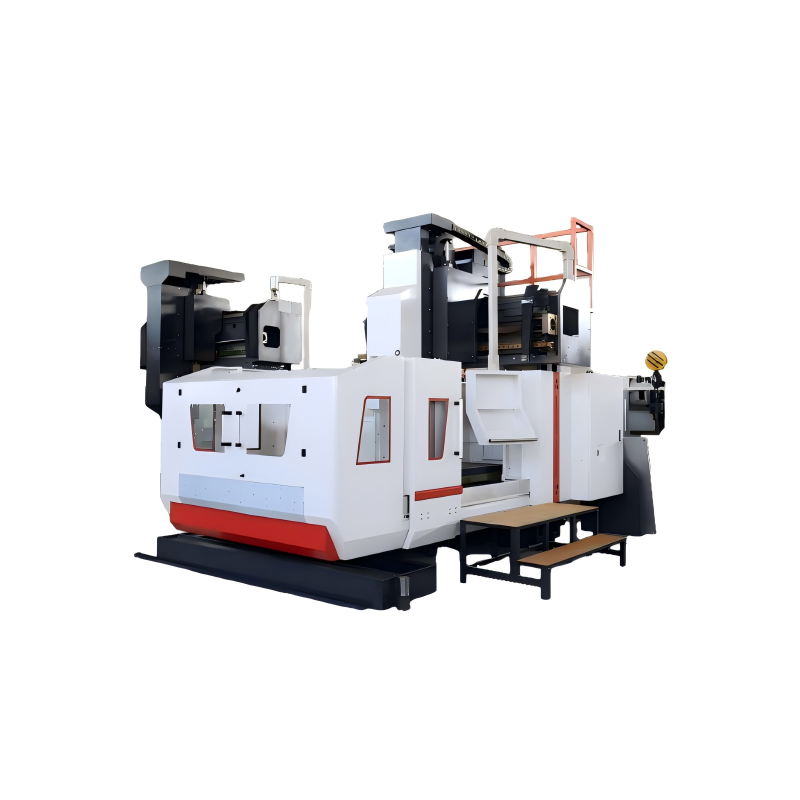
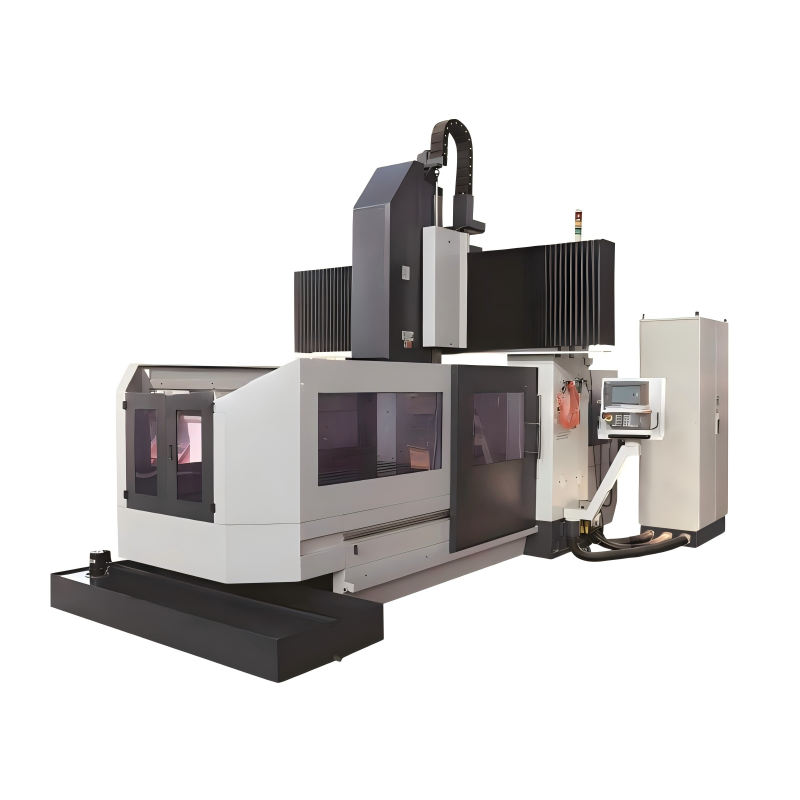
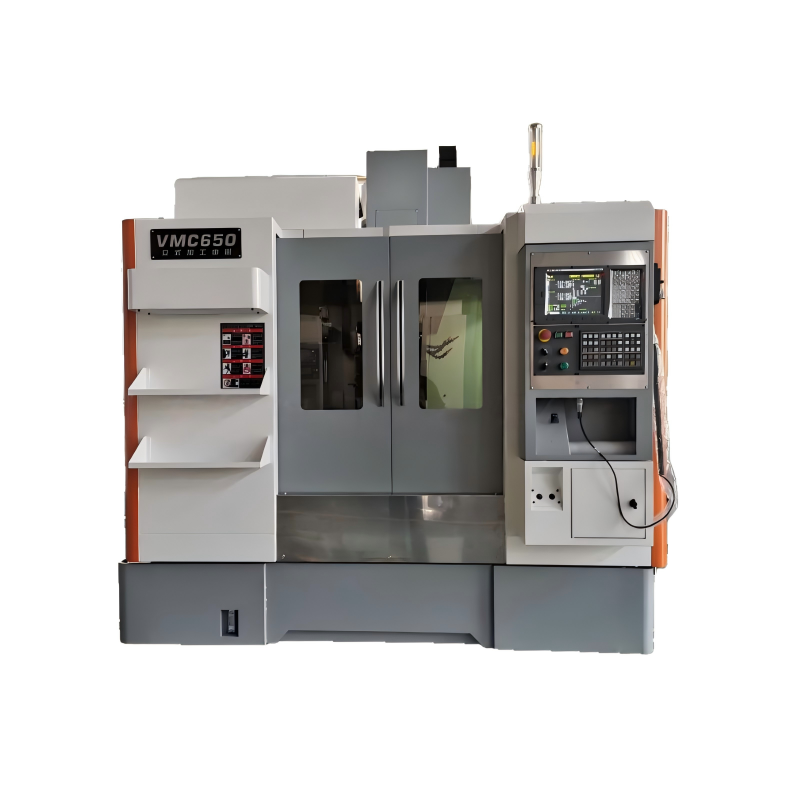
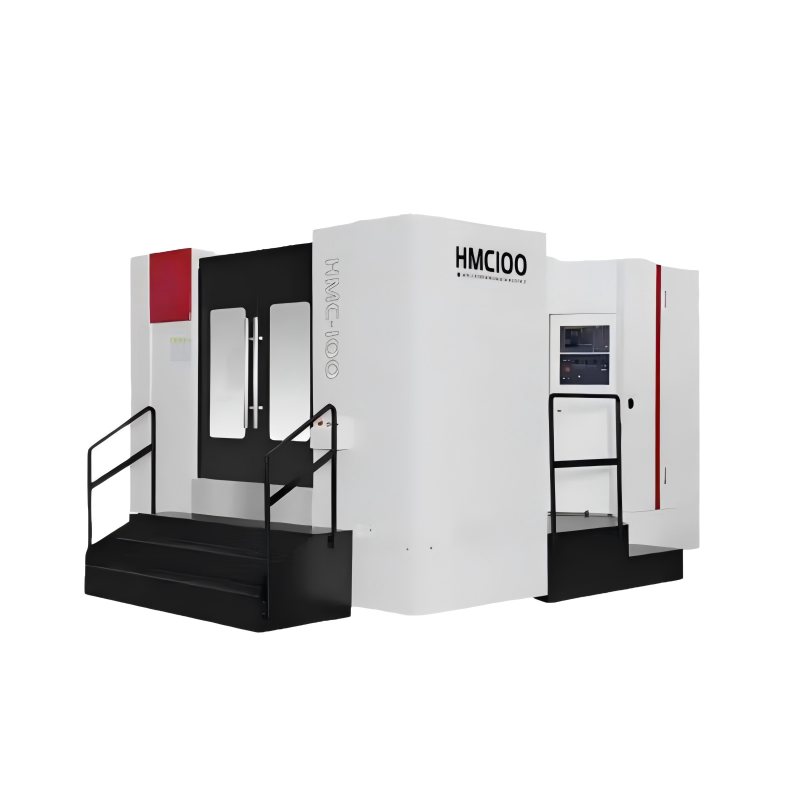
In the realm of modern manufacturing, precision is not just a preference; it's a necessity. With advancements in technology, vertical Precision Milling Machines have become an indispensable asset for industries requiring high accuracy and efficiency. This report delves into the various aspects of enhancing productivity through the use of advanced vertical precision milling techniques, exploring how these machines contribute to improved operational outcomes.
A vertical precision milling machine stands out due to its ability to deliver exceptionally accurate cuts on a wide range of materials. The core advantage lies in the vertical orientation of the spindle, which allows for direct force application downwards, ensuring minimal deflection and maximum control over the cutting process. This setup is particularly beneficial when working with harder materials or when extremely fine tolerances are required. Furthermore, the incorporation of digital controls and automation has significantly enhanced the versatility and ease of use of these machines, making them suitable for both small-scale operations and large industrial settings. By leveraging the unique capabilities of a vertical precision milling machine, manufacturers can achieve higher levels of precision, consistency, and quality in their products, thereby gaining a competitive edge in the market.
The effectiveness of a vertical precision milling operation is heavily influenced by the type and quality of tooling used. High-performance tools, designed specifically for precision work, play a critical role in achieving optimal results. Modern advancements in tool material science, such as the development of ultra-hard coatings and innovative geometries, have led to tools that offer superior wear resistance, longer life, and better chip evacuation. Additionally, the integration of smart tool management systems, which monitor tool condition in real-time, enables timely replacements and reduces downtime. These technological enhancements not only improve the overall efficiency of the milling process but also contribute to cost savings by reducing the frequency of tool changes and minimizing scrap rates. As a result, the use of advanced tooling is a key factor in maximizing the potential of vertical precision milling machines, enabling more complex and precise machining tasks to be completed with greater speed and reliability.
Automation and robotics have revolutionized the way vertical precision milling processes are managed. The integration of automated systems, including robotic arms and CNC (Computer Numerical Control) controllers, allows for continuous, unattended operation, significantly increasing production throughput. Automated loading and unloading systems, for instance, reduce manual intervention and streamline the workflow, leading to faster cycle times and consistent output. Moreover, the use of advanced software for simulation, programming, and process optimization further enhances the efficiency and accuracy of milling operations. Real-time monitoring and data analytics provide valuable insights into machine performance, allowing for proactive maintenance and adjustments to be made, thus ensuring optimal machine utilization. By embracing automation and robotics, manufacturers can not only boost productivity but also enhance the flexibility and adaptability of their vertical precision milling operations, catering to the diverse and evolving demands of the industry.
Digital twin technology represents a significant leap forward in the field of precision milling. A digital twin is a virtual replica of a physical system, allowing for real-time monitoring, analysis, and optimization of the milling process. By creating a digital twin of a vertical precision milling machine, engineers can simulate different scenarios, test new processes, and predict potential issues before they occur. This predictive capability is invaluable for maintaining high levels of accuracy and efficiency. For example, a digital twin can help identify optimal cutting parameters, detect wear and tear on components, and suggest preventive maintenance schedules. This not only reduces downtime and maintenance costs but also ensures that the machine operates at peak performance. Additionally, the data collected from the digital twin can be used to continuously refine and improve the milling process, leading to more consistent and reliable results. As a result, the adoption of digital twin technology is a strategic move for manufacturers looking to stay at the forefront of precision milling, driving innovation and excellence in their operations.
The future of vertical precision milling is bright, driven by ongoing technological advancements and a growing demand for high-precision components across various industries. The integration of advanced tooling, automation, and digital twin technology is transforming the landscape of precision milling, enabling manufacturers to achieve unprecedented levels of efficiency, accuracy, and productivity. As these technologies continue to evolve, the potential for further improvements in vertical precision milling will only expand, opening up new opportunities for innovation and growth. Manufacturers who invest in these cutting-edge solutions will be well-positioned to meet the challenges of the future and maintain a competitive edge in the global market.
 01/07/2026
Understanding the Basics of a Vertical Precision Milling MachineA vertical precision milling machine is a sophisticated piece of equipment used in the manufacturing industry for creating highly accurate and complex parts. This type of machine is designed
Read More01/07/2026Vertical Precision Milling Machines have become indispensable tools in the modern manufacturing landscape, particularly within high-precision industries such as aerospace. These machines offer unparalleled accuracy and versatility, enabling manufacturers
Read More01/07/2026The vertical precision milling machine is a critical piece of equipment in many manufacturing and engineering environments. It allows for the precise cutting, shaping, and finishing of materials to meet exact specifications. However, like all machinery, i
Read More01/07/2026The evolution of machining technology has seen significant advancements over the years, with one of the most notable developments being the vertical precision milling machine. This piece of equipment has become indispensable in modern manufacturing, offer
Read More01/07/2026The advancement in manufacturing technology has brought about a significant transformation in how products are designed, developed, and produced. One such transformative tool is the Vertical Precision Milling Machine, which plays an increasingly crucial r
Read MoreOur professional sales team is always ready to assist you.