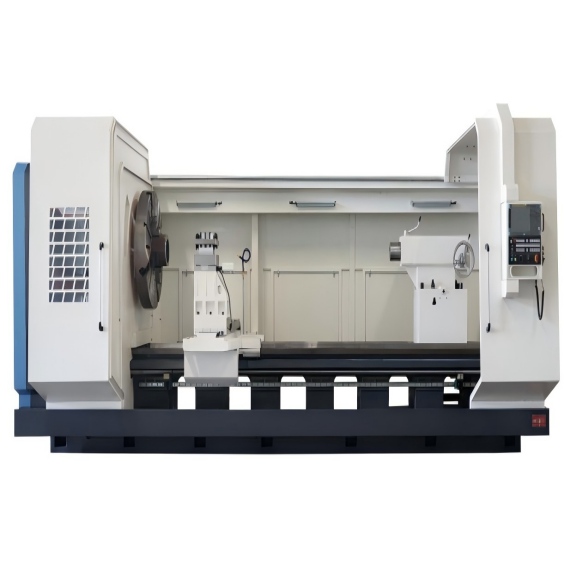
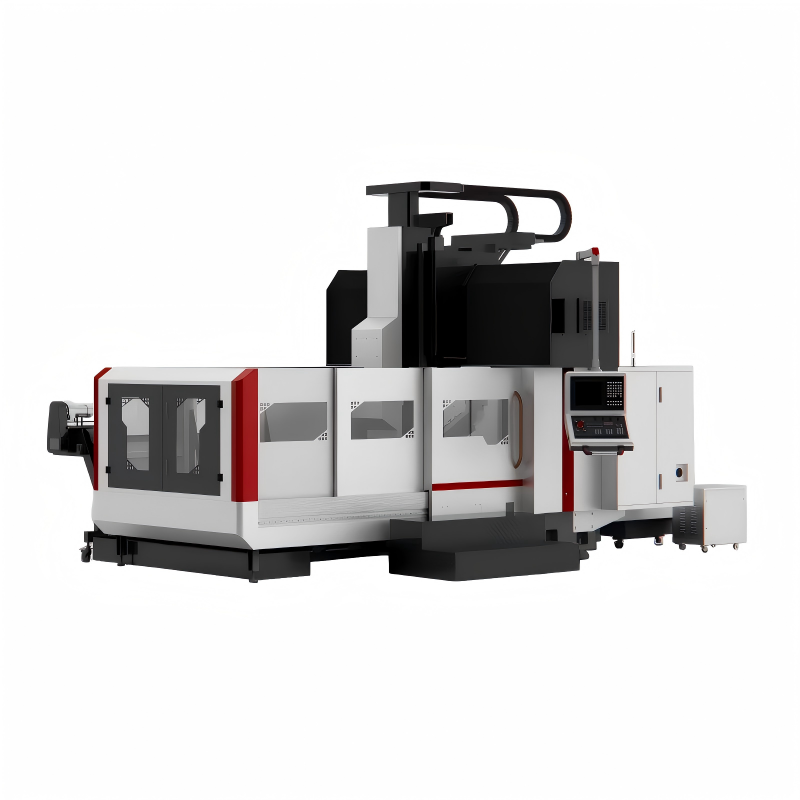
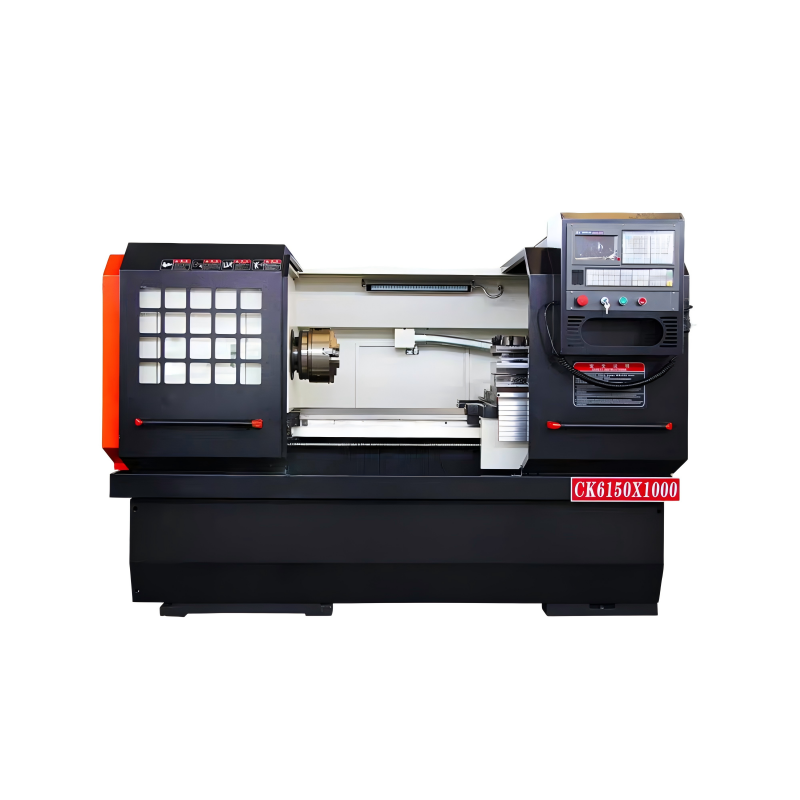
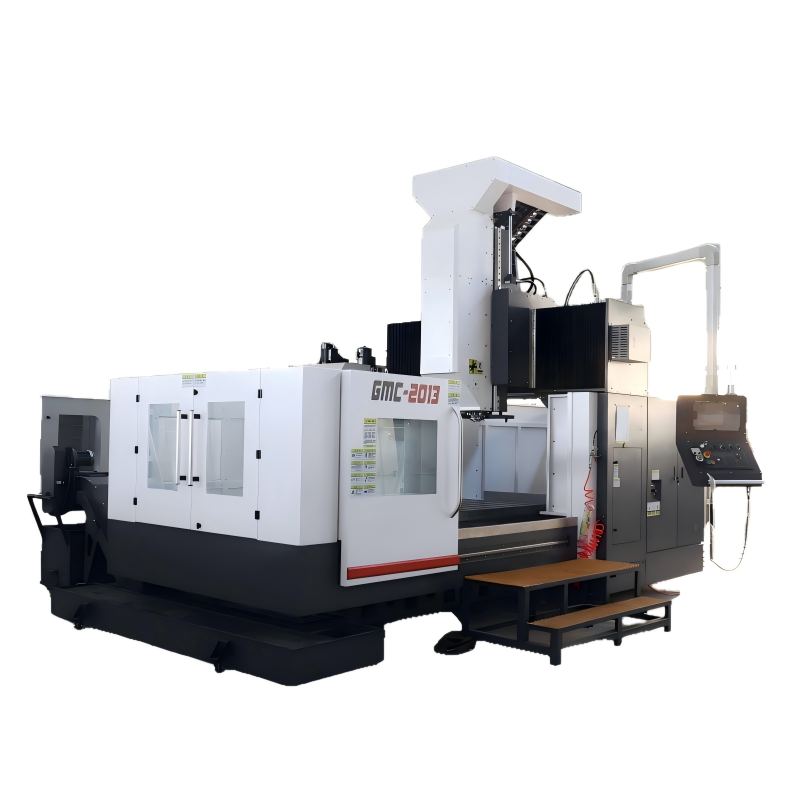
While this guide primarily focuses on mini and small horizontal CNC lathes from China, it is essential to understand the broader context of modern machining technologies. One such technology that often complements the capabilities of CNC Lathes is the high-speed vertical Machining Center. This article will explore the unique features, applications, and advantages of mini and small Horizontal CNC Lathes, while also touching upon how they can be integrated with high-speed Vertical Machining Centers for a more comprehensive manufacturing solution.
Mini and small horizontal CNC lathes are designed for precision machining of small to medium-sized parts. These machines are particularly popular in industries such as automotive, aerospace, and medical, where high-precision and repeatability are crucial. The compact size of these lathes makes them ideal for workshops with limited space, and their advanced CNC controls ensure consistent and accurate results.
Key features of mini and small horizontal CNC lathes include:
Mini and small horizontal CNC lathes find applications in a variety of industries due to their versatility and precision. Some common applications include:
While mini and small horizontal CNC lathes excel in turning and milling operations, there are instances where additional machining capabilities are required. This is where high-speed vertical machining centers come into play. These machines are designed for high-speed and high-accuracy milling, drilling, and tapping operations, and they can be seamlessly integrated with CNC lathes to create a more versatile and efficient manufacturing process.
Key benefits of integrating high-speed vertical machining centers with mini and small horizontal CNC lathes include:
Mini and small horizontal CNC lathes from China are powerful tools for precision machining, offering a combination of high accuracy, flexibility, and ease of use. While these lathes are highly effective for a wide range of applications, integrating them with high-speed vertical machining centers can further enhance their capabilities and provide a more comprehensive manufacturing solution. By leveraging the strengths of both types of machines, manufacturers can achieve greater flexibility, productivity, and quality control, ultimately leading to more efficient and cost-effective production processes.
 30/06/2026
In the rapidly evolving landscape of industrial manufacturing, precision and efficiency stand out as key determinants for success. This report delves into the advancements and market dynamics surrounding China's top CNC pipe threading lathe manufacturers,
Read More30/06/2026In the realm of advanced manufacturing, precision and efficiency are paramount. One technology that stands out in achieving these goals is the 5-axis CNC machining center, which offers unparalleled capabilities for producing complex parts. This report del
Read More30/06/2026The manufacturing industry is continuously evolving, with a growing emphasis on sustainability. One of the key technologies that are playing a crucial role in this transformation is the high-speed vertical machining center. This advanced machine tool not
Read More29/06/2026Introduction to High-Speed Vertical Machining Centers A high-speed vertical machining center is a critical tool in modern manufacturing, designed to deliver both precision and efficiency. These machines are capable of performing complex operations at high
Read More28/06/2026In the rapidly evolving landscape of manufacturing, the integration of high-speed vertical machining centers (HVMCs) has emerged as a pivotal force, particularly within the automotive industry. This technological advancement is not only enhancing producti
Read More27/06/2026IntroductionThe high-speed vertical machining center (HVMC) has emerged as a critical tool in the aerospace industry, offering unparalleled precision and efficiency in manufacturing complex components. This report delves into the capabilities of HVMCs, hi
Read More26/06/2026In the ever-evolving landscape of precision engineering, high-speed vertical machining centers (VMCs) have emerged as a pivotal technology. These advanced machines are not only redefining the boundaries of manufacturing efficiency but also setting new sta
Read More25/06/2026In the realm of modern manufacturing, advancements in technology have consistently pushed the boundaries of efficiency and precision. Among these innovations, the high-speed vertical machining center has emerged as a pivotal tool, transforming traditional
Read MoreOur professional sales team is always ready to assist you.