In the realm of precision machining, a 2-Axis Slant Bed CNC Lathe stands out as an indispensable tool for achieving high accuracy and efficiency in manufacturing processes. This comprehensive guide aims to provide a detailed overview of operating such a machine, covering key aspects from setup to maintenance, ensuring that operators can maximize its potential while maintaining safety and productivity.
Understanding the Basics of a 2-Axis Slant Bed CNC Lathe
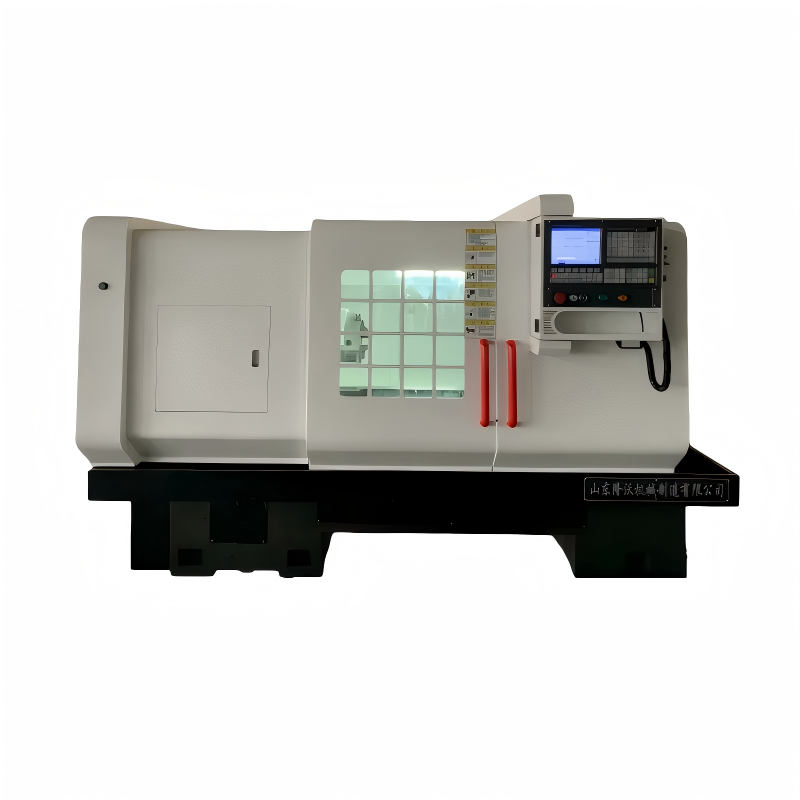
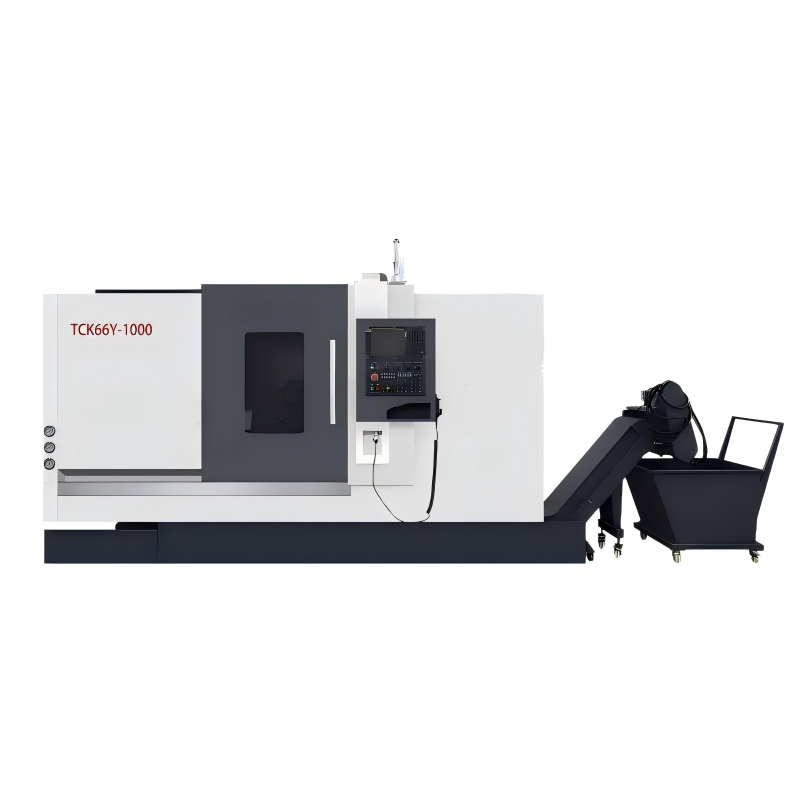
A 2-Axis Slant Bed CNC Lathe is designed to perform turning operations on a workpiece by rotating it against a cutting tool. The "slant" in the bed design refers to the angled orientation of the lathe's bed, which improves chip evacuation and provides better access to the workpiece. These lathes are typically used for producing cylindrical parts with high precision and surface finish quality. The two axes of movement - X (cross-slide) and Z (longitudinal) - allow for complex shapes and contours to be machined efficiently. Understanding how these components interact is crucial for effective operation.
Setting Up Your 2-Axis Slant Bed CNC Lathe
Proper setup is the foundation of successful machining. Before starting any job, ensure that the 2-Axis Slant Bed CNC Lathe is correctly installed and calibrated. This includes leveling the machine, setting up the coolant system, and configuring the control panel according to the manufacturer’s specifications. Pay special attention to the alignment of the chuck and tailstock, as misalignment can lead to inaccuracies in the final product. Additionally, selecting the right tools and setting them up properly is essential. Tool holders should be securely fastened, and the cutting tools must be precisely aligned with the workpiece to achieve optimal results.
Programming and Operating the 2-Axis Slant Bed CNC Lathe
Once the 2-Axis Slant Bed CNC Lathe is set up, the next step is programming the machine. Modern CNC lathes use G-code, a programming language that instructs the machine on how to move and operate. For beginners, it's advisable to start with simple programs and gradually move to more complex ones. The control panel is where you input the G-code, and it also allows you to monitor the progress of the job. During operation, always keep an eye on the machine's status and make adjustments as needed. Regularly check the tool wear and replace them if necessary to maintain the quality of the machined parts.
Maintenance and Troubleshooting
Regular maintenance is key to keeping your 2-Axis Slant Bed CNC Lathe in top condition. This includes cleaning the machine, lubricating moving parts, and inspecting for any signs of wear or damage. A well-maintained lathe will not only produce better results but also have a longer lifespan. In case of any issues, troubleshooting guides provided by the manufacturer can be invaluable. Common problems include tool breakage, improper tool alignment, and machine malfunctions. By addressing these issues promptly, you can minimize downtime and ensure smooth operation.
Safety Considerations
Safety should always be a priority when operating a 2-Axis Slant Bed CNC Lathe. Follow all safety guidelines and wear appropriate personal protective equipment (PPE), such as safety glasses, gloves, and hearing protection. Ensure that the work area is clean and free of clutter to prevent accidents. Additionally, familiarize yourself with the emergency stop button and know how to use it in case of an emergency. Regular training and safety drills can help reinforce best practices and ensure that all operators are prepared to handle any situation.
By following this comprehensive guide, operators can effectively utilize a 2-Axis Slant Bed CNC Lathe to produce high-quality, precision parts. Proper setup, programming, maintenance, and safety practices are essential for maximizing the machine's capabilities and ensuring a safe and productive working environment.

 29/06/2026



