The economic 2-axis CNC lathe is an essential tool for many manufacturing processes, offering precision, efficiency, and cost-effectiveness. This guide aims to provide a comprehensive overview of the key factors to consider when selecting the right economic 2-axis CNC Lathe for your specific needs.
Understanding the Basics of 2-Axis CNC Lathes
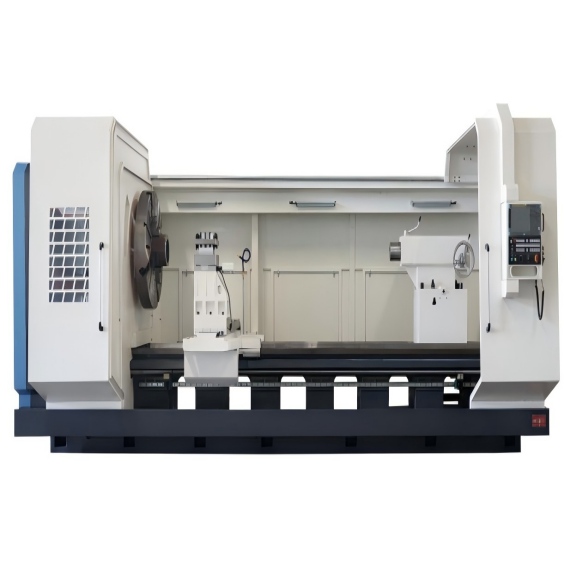
A 2-axis CNC lathe operates on two axes: X (horizontal) and Z (vertical). These machines are designed to perform turning operations, such as cutting, drilling, and threading, with high precision and repeatability. The Economic 2-Axis CNC Lathe is particularly suitable for small to medium-sized production runs and is often used in industries like automotive, aerospace, and medical device manufacturing.
Key components of a 2-axis CNC lathe include the spindle, chuck, tool turret, and control system. The spindle holds and rotates the workpiece, while the chuck clamps it securely. The tool turret houses multiple cutting tools, allowing for quick and efficient tool changes. The control system, typically a computer-aided numerical control (CNC) unit, directs the movements of the machine based on pre-programmed instructions.
Evaluating the Technical Specifications
When selecting an economic 2-axis CNC lathe, it is crucial to evaluate its technical specifications to ensure it meets your production requirements. Key specifications to consider include:
- Spindle Speed: The maximum speed at which the spindle can rotate, measured in revolutions per minute (RPM). Higher spindle speeds allow for faster material removal and improved surface finish.
- Maximum Turning Diameter: The largest diameter of the workpiece that the lathe can accommodate. This specification is critical for determining the size of parts you can produce.
- Maximum Turning Length: The longest length of the workpiece that the lathe can handle. This is important for machining longer parts, such as shafts or bars.
- Tool Turret Capacity: The number of tools that the turret can hold. More tools mean fewer manual changes and increased productivity.
- Control System: The type and capabilities of the CNC control system. Modern systems offer advanced features such as touch screens, intuitive interfaces, and network connectivity for remote monitoring and diagnostics.
It is also important to consider the machine's overall build quality, including the materials used, the rigidity of the frame, and the precision of the guideways. A well-constructed machine will provide better accuracy and longevity.
Assessing the Cost and Return on Investment
While the initial cost of an economic 2-axis CNC lathe is a significant factor, it is equally important to assess the long-term return on investment (ROI). Consider the following aspects:
- Initial Purchase Price: The upfront cost of the machine, including any additional accessories or software.
- Operational Costs: The ongoing expenses associated with running the machine, such as electricity, maintenance, and consumables.
- Maintenance and Support: The availability and cost of maintenance services, spare parts, and technical support. Reliable after-sales service can significantly reduce downtime and maintenance costs.
- Productivity Gains: The potential increase in production output and efficiency. A more capable machine can lead to higher throughput and reduced cycle times.
- Quality and Reliability: The impact on product quality and the reliability of the machine. Consistent performance and minimal downtime can lead to higher customer satisfaction and lower scrap rates.
To determine the ROI, calculate the total cost of ownership over the expected lifespan of the machine and compare it to the anticipated benefits. This will help you make an informed decision and choose a machine that offers the best value for your investment.
Considering the User Interface and Ease of Use
The user interface and ease of use are critical factors, especially if the machine will be operated by multiple users with varying levels of experience. A well-designed control system should be intuitive and easy to navigate, with clear instructions and prompts. Key features to look for include:
- Touch Screen Interface: A touch screen provides a more user-friendly experience, allowing operators to interact with the machine through a graphical interface.
- Pre-Programmed Cycles: Many modern CNC lathes come with pre-programmed cycles for common operations, such as facing, turning, and threading. These can save time and reduce the need for complex programming.
- Diagnostic and Monitoring Tools: Advanced diagnostic and monitoring tools can help identify and resolve issues quickly, reducing downtime and improving overall machine performance.
- Training and Documentation: Comprehensive training and documentation, including manuals, videos, and online resources, can help new operators get up to speed quickly and use the machine effectively.
Additionally, consider the ergonomics of the machine, such as the placement of controls and the accessibility of the work area. A well-designed machine will be comfortable to use and reduce the risk of operator fatigue and injury.
Conclusion
Selecting the right economic 2-axis CNC lathe requires a thorough evaluation of its technical specifications, cost, and ease of use. By considering these factors, you can choose a machine that meets your production needs, offers a good return on investment, and is easy to operate. Investing in a high-quality, reliable machine will not only enhance your manufacturing capabilities but also contribute to the long-term success of your business.
 23/06/2026



