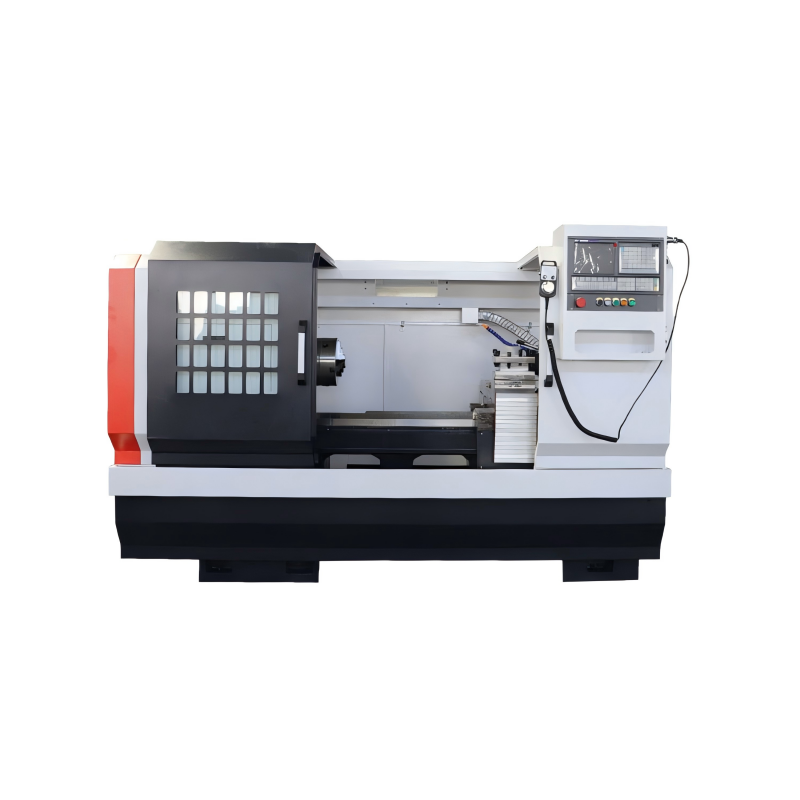
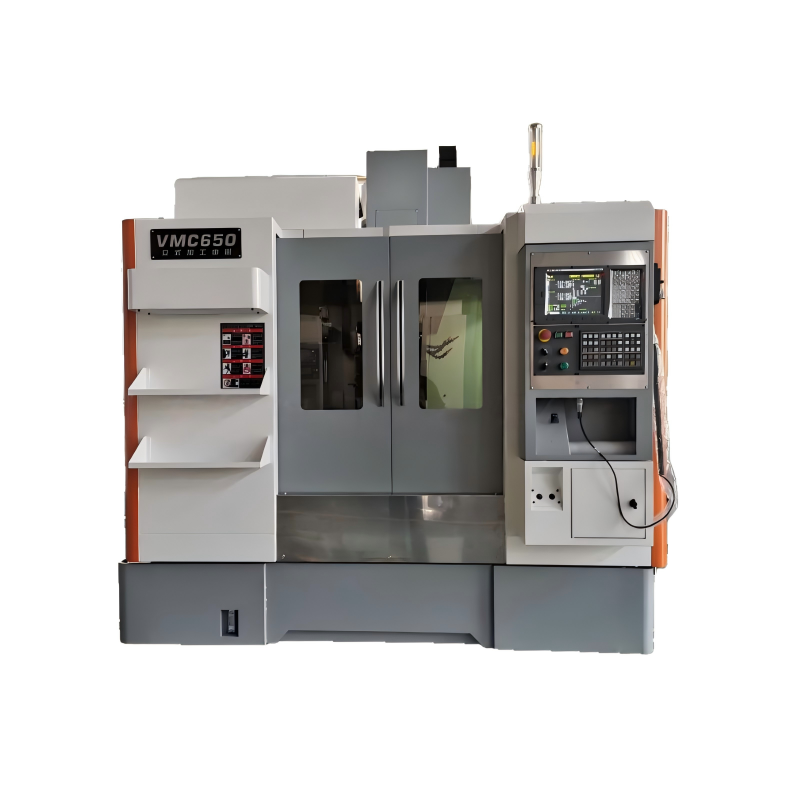
In the rapidly evolving landscape of precision engineering, the Economic 2-Axis CNC Lathe has emerged as a pivotal tool. These machines are designed to offer high-precision machining capabilities while maintaining cost-effectiveness, making them an attractive option for small and medium-sized enterprises (SMEs). The integration of computer numerical control (CNC) technology into lathes allows for automated and highly accurate operations, which are essential for producing complex parts with tight tolerances.
The Economic 2-Axis CNC Lathe plays a crucial role in enhancing productivity within precision engineering. One of the key advantages of these machines is their ability to automate repetitive tasks, reducing the need for manual intervention. This automation leads to significant improvements in production speed and consistency. By programming the lathe to perform specific operations, manufacturers can achieve higher output rates without compromising on quality. Additionally, the use of advanced software and control systems enables operators to optimize the machining process, further boosting efficiency and minimizing downtime.
One of the most compelling reasons for the widespread adoption of the Economic 2-Axis CNC Lathe is its cost-effectiveness. Compared to more advanced multi-axis CNC machines, 2-axis lathes are generally more affordable, making them accessible to a broader range of businesses. Despite their lower cost, these lathes are versatile enough to handle a wide variety of materials, including metals, plastics, and composites. This versatility, combined with their precision, makes them suitable for various applications, from automotive and aerospace components to medical devices and consumer goods.
Precision is paramount in modern manufacturing, and the Economic 2-Axis CNC Lathe excels in this area. These machines are equipped with high-resolution encoders and advanced control systems that ensure precise and consistent machining. The ability to maintain tight tolerances is critical for producing parts that meet stringent quality standards. Moreover, the use of CAD/CAM software allows for the creation of detailed 3D models, which can be directly translated into machine instructions. This seamless integration between design and production helps to minimize errors and improve overall product quality.
To ensure the long-term reliability and performance of the Economic 2-Axis CNC Lathe, regular maintenance is essential. These machines are built to last, but proper care and maintenance can significantly extend their lifespan. Routine checks, lubrication, and calibration are some of the key maintenance tasks that should be performed regularly. Additionally, manufacturers often provide comprehensive service and support, including training programs and technical assistance, to help users maximize the benefits of their investment. By following best practices for maintenance, businesses can ensure that their CNC lathes continue to deliver high-quality results over many years.
The Economic 2-Axis CNC Lathe is a cornerstone of modern precision engineering, offering a balance of cost-effectiveness, versatility, and high precision. As technology continues to advance, these machines will likely become even more capable, with improved automation, enhanced software, and greater flexibility. For manufacturers looking to stay competitive in a demanding market, investing in a 2-Axis CNC Lathe is a strategic decision that can drive productivity, quality, and innovation. The future of precision engineering is bright, and the Economic 2-Axis CNC Lathe will undoubtedly play a significant role in shaping it.
 23/06/2026
The Economic 2-Axis CNC Lathe represents a significant advancement in the field of manufacturing, offering an affordable yet efficient solution for many machining needs. This type of lathe is particularly popular among small to medium-sized enterprises du
Read More23/06/2026The economic 2-axis CNC lathe is an essential tool for many manufacturing processes, offering precision, efficiency, and cost-effectiveness. This guide aims to provide a comprehensive overview of the key factors to consider when selecting the right econom
Read More22/06/2026In the realm of precision manufacturing, the economic 2-axis CNC lathe stands out as a cost-effective solution for many small to medium-sized enterprises. This report aims to explore how businesses can maximize productivity with an economic 2-axis CNC lat
Read More22/06/2026In today’s competitive manufacturing landscape, small businesses often face the challenge of balancing productivity with cost. One solution that has gained significant traction is the Economic 2-Axis CNC Lathe. This machine offers a blend of efficiency an
Read More22/06/2026Introduction to the Economic 2-Axis CNC Lathe The economic 2-axis CNC lathe has become a cornerstone in modern manufacturing, offering a blend of precision and cost-effectiveness that makes it an attractive option for many industries. This type of lathe i
Read MoreOur professional sales team is always ready to assist you.