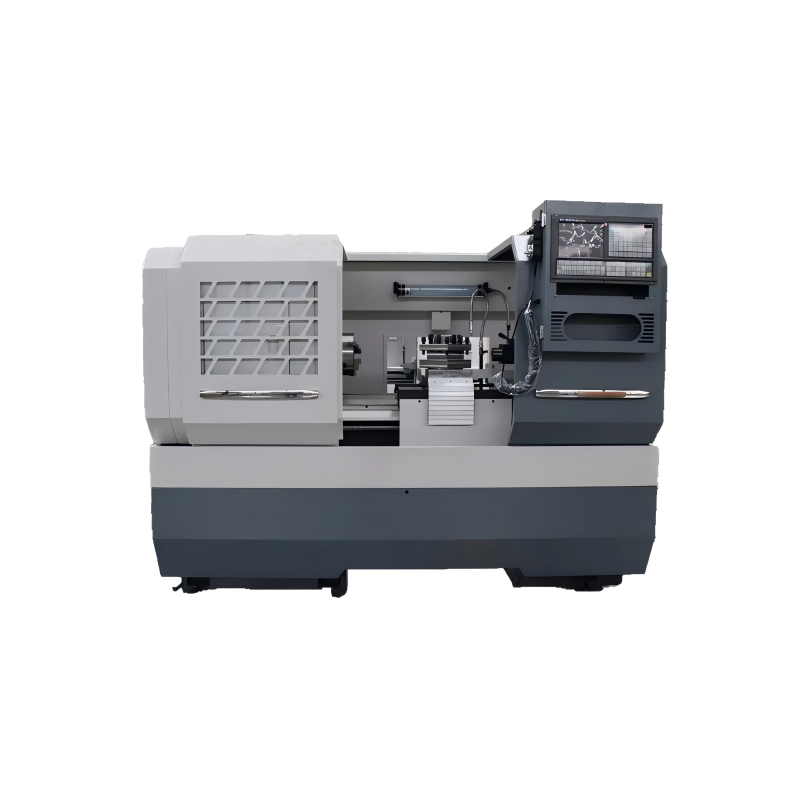
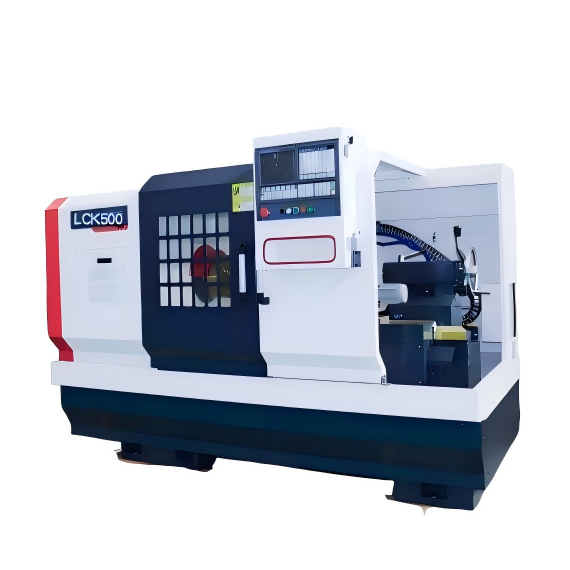
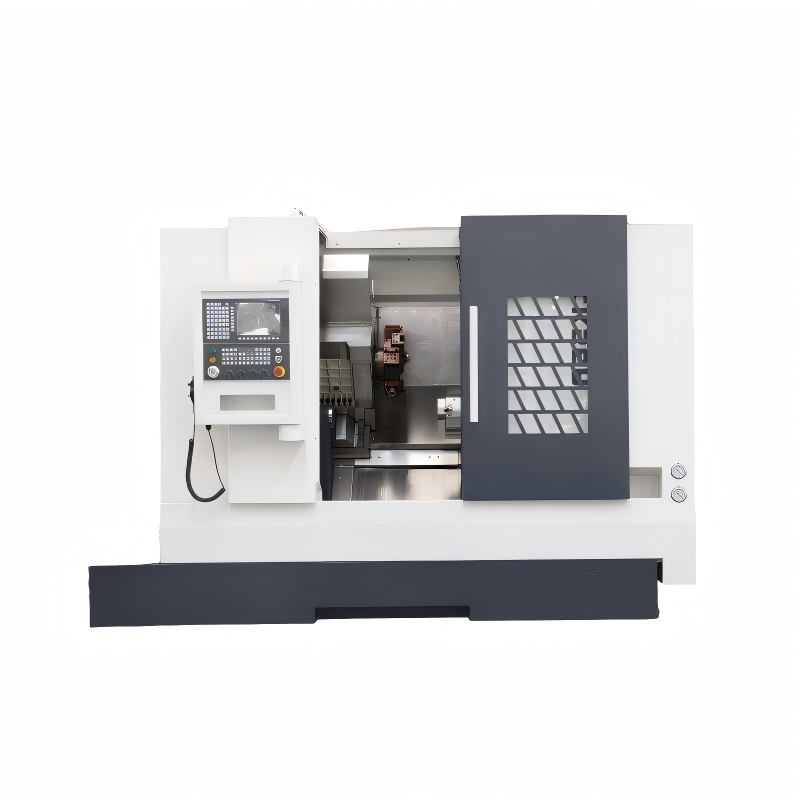
In the ever-evolving landscape of manufacturing, the integration of advanced Computer Numerical Control (CNC) solutions is becoming increasingly vital for shops aiming to stay competitive. This report delves into the transformative potential of CNC technology, exploring how it can be harnessed to enhance efficiency, precision, and overall productivity on the shop floor.
One of the most significant advantages of incorporating innovative CNC solutions is the unparalleled level of precision they offer. Traditional machining methods often rely on manual operation, which can introduce human error and variability. In contrast, CNC machines are programmed to execute tasks with exacting accuracy, ensuring that each part or component is manufactured to the highest standards. This consistency not only improves the quality of the final product but also reduces the need for rework, thereby saving time and resources.
Moreover, modern CNC systems are equipped with advanced sensors and feedback mechanisms that continuously monitor and adjust the machining process in real-time. This dynamic control ensures that even the slightest deviations are corrected, maintaining the integrity of the production run. The result is a more reliable and consistent output, which is crucial for industries where precision is paramount, such as aerospace, automotive, and medical device manufacturing.
Another key benefit of adopting CNC technology is the significant boost in efficiency and productivity it provides. CNC machines are designed to operate at high speeds and with minimal downtime, allowing for a faster throughput of parts. This increased speed does not come at the expense of quality; rather, it is a direct result of the machine's ability to perform complex operations with ease and precision.
Furthermore, CNC systems can be programmed to handle multiple tasks and processes, reducing the need for manual intervention. This automation not only saves time but also frees up skilled labor to focus on other critical aspects of the manufacturing process, such as design, quality control, and maintenance. The ability to run multiple operations simultaneously, known as multitasking, is particularly advantageous in high-volume production environments, where the demand for speed and efficiency is constant.
Modern CNC solutions offer a high degree of flexibility and adaptability, making them an ideal choice for shops that need to respond quickly to changing market demands. Unlike traditional machines, which are often limited to specific tasks, CNC machines can be easily reprogrammed to produce a wide range of parts and components. This versatility allows manufacturers to diversify their product lines and take on new projects without the need for extensive retooling or additional equipment.
Additionally, many CNC systems are now equipped with advanced software that enables rapid prototyping and iterative design. This capability is particularly valuable in the early stages of product development, where quick iterations and modifications are necessary to refine designs and test functionality. By leveraging these tools, manufacturers can accelerate the product development cycle, bringing new products to market faster and more efficiently.
The rise of Industry 4.0 has brought about a new era of connectivity and data-driven decision-making in manufacturing. CNC machines are at the forefront of this transformation, as they can be seamlessly integrated with other smart technologies, such as the Internet of Things (IoT), artificial intelligence (AI), and cloud computing. This integration enables real-time monitoring, predictive maintenance, and data analytics, all of which contribute to a more intelligent and efficient shop floor.
For example, IoT sensors can be used to collect data on machine performance, environmental conditions, and material usage. This data can then be analyzed using AI algorithms to identify patterns, predict potential issues, and optimize production processes. Cloud-based platforms allow for remote access and collaboration, enabling teams to share information, troubleshoot problems, and make informed decisions from anywhere in the world. By embracing these technologies, manufacturers can achieve greater visibility, control, and responsiveness, ultimately leading to improved operational efficiency and cost savings.
In conclusion, the adoption of innovative CNC solutions is a strategic move for any shop looking to advance its capabilities and remain competitive in today's fast-paced manufacturing environment. By enhancing precision and quality, boosting efficiency and productivity, and offering flexibility and adaptability, CNC technology provides a robust foundation for success. Furthermore, the integration of CNC with Industry 4.0 technologies opens up new possibilities for data-driven optimization and smart manufacturing. As the industry continues to evolve, those who invest in these cutting-edge solutions will be well-positioned to thrive and lead the way forward.
 22/06/2026
Understanding the Benefits of High Precision in CNC MachiningThe advent of Computer Numerical Control (CNC) technology has revolutionized manufacturing processes, allowing for unparalleled precision and efficiency. A high precision horizontal CNC lathe, e
Read More22/06/2026In the rapidly evolving world of manufacturing, CNC (Computer Numerical Control) lathes have become indispensable tools for precision machining. This guide aims to provide a comprehensive overview of what you should consider when purchasing a CNC lathe ma
Read More19/06/2026In today’s manufacturing landscape, the demand for increased productivity, precision, and efficiency is more critical than ever. One of the key technologies driving this advancement is the CNC (Computer Numerical Control) lathe, particularly the twin spin
Read More16/06/2026With the rapid development of manufacturing technologies, precision and efficiency have become key factors in determining a company's competitiveness. In this context, the CNC (Computer Numerical Control) lathe has emerged as an indispensable tool for ach
Read More16/06/2026With the rapid advancements in manufacturing technologies, the adoption of efficient and versatile machinery has become a necessity for businesses aiming to stay competitive. One such piece of equipment that stands out is the Horizontal CNC lathe with gan
Read More15/06/2026Introduction to CK61100 in CNC Precision EngineeringThe CK61100, a high-precision CNC (Computer Numerical Control) lathe, stands out as a pivotal tool in modern manufacturing. Designed for heavy-duty cutting and high-precision machining, the CK61100 is ca
Read More15/06/2026In the realm of manufacturing, the advancement of Computer Numerical Control (CNC) technology has opened up new horizons for design and production. This report delves into the capabilities of CNC in handling complex design projects, exploring how it trans
Read More01/06/2026With the rapid advancement in technology, Computer Numerical Control (CNC) has emerged as a transformative force in the woodworking industry. This report delves into how CNC technology is reshaping modern woodworking techniques, offering unparalleled prec
Read More31/05/2026Introduction to CNC InnovationsThe continuous evolution of Computer Numerical Control (CNC) technology has been a driving force behind the advancement in manufacturing processes, enhancing both efficiency and accuracy. As industries increasingly seek more
Read More30/05/2026When it comes to manufacturing, the choice of machinery can significantly impact the efficiency and quality of your projects. One such critical piece of equipment is the CNC (Computer Numerical Control) machine, which has become indispensable in modern in
Read More29/05/2026The automotive industry, a cornerstone of modern manufacturing, has been undergoing significant transformations driven by technological advancements. One such innovation that is reshaping the sector's landscape is Computer Numerical Control (CNC) technolo
Read More28/05/2026CNC Machining: The Future of Precision Manufacturing is a topic that has garnered significant attention in the industrial and manufacturing sectors. As technology continues to advance, Computer Numerical Control (CNC) machining stands out as a critical co
Read MoreOur professional sales team is always ready to assist you.