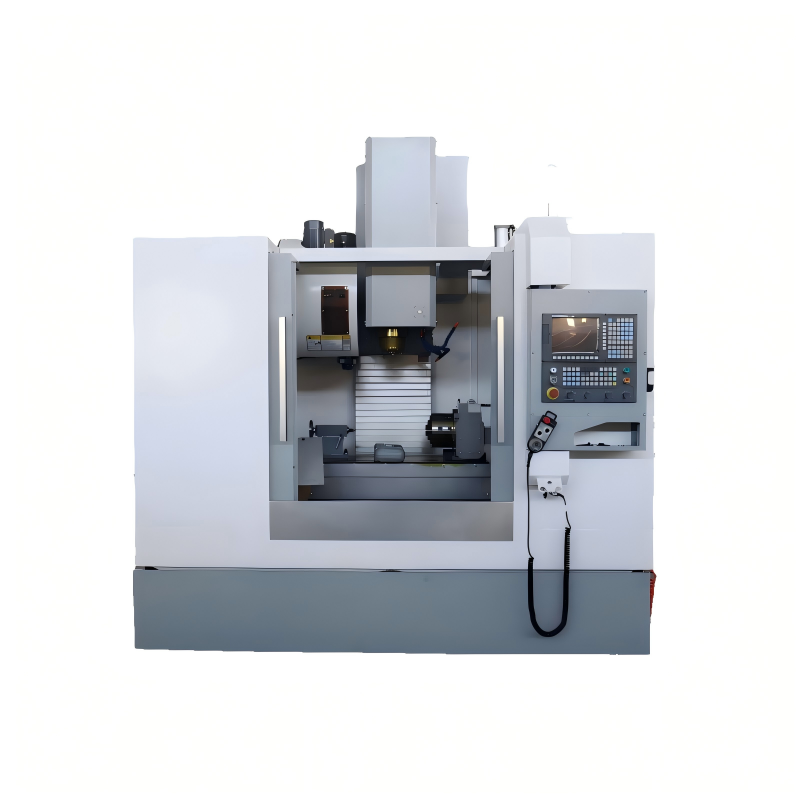
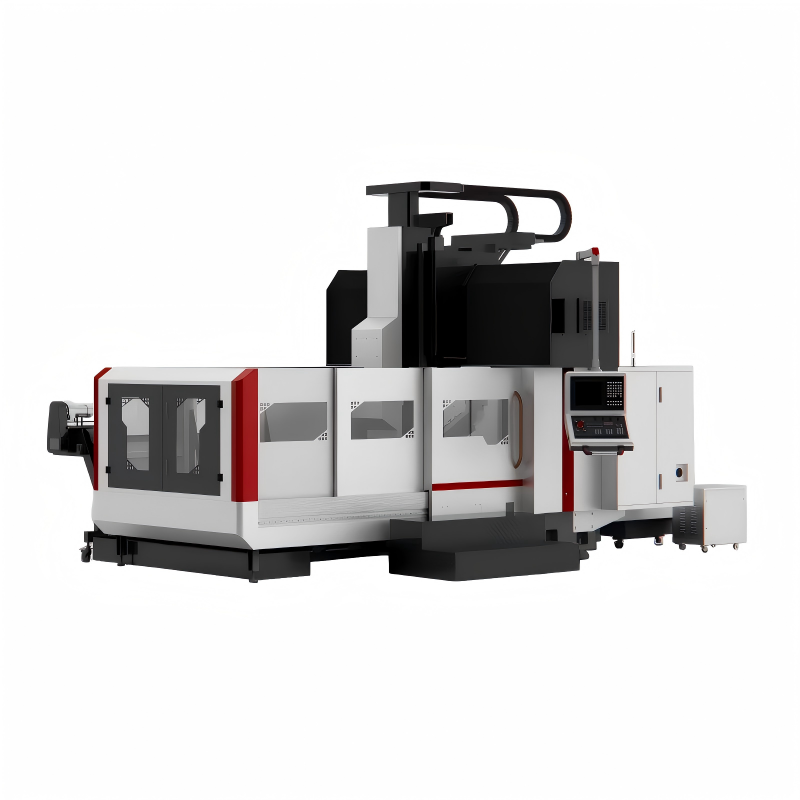
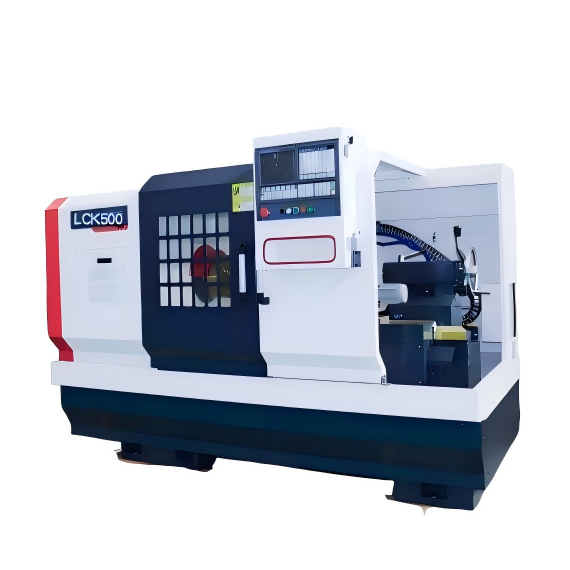
The use of CNC (Computer Numerical Control) Turning Machines has revolutionized the manufacturing industry, offering unparalleled precision and efficiency. However, like any technology, it comes with its own set of advantages and disadvantages. This report aims to provide a comprehensive analysis of the benefits and drawbacks associated with using CNC Turning Machines.
CNC Turning Machines are renowned for their ability to produce highly precise and consistent parts. The computer-controlled nature of these machines allows for the execution of complex designs with minimal human error. Once the program is set, the machine can repeat the same process hundreds or even thousands of times without deviation. This level of consistency is crucial in industries where tolerances are extremely tight, such as aerospace and medical device manufacturing. The precision achieved through CNC turning not only enhances the quality of the final product but also reduces the need for post-processing, saving both time and resources.
One of the most significant advantages of CNC Turning Machines is their ability to increase productivity and efficiency. These machines can operate 24/7 with minimal supervision, allowing for continuous production. The automation of the turning process eliminates the need for manual labor, reducing the likelihood of human errors and fatigue. Additionally, CNC machines can perform multiple operations in a single setup, which significantly reduces the time required for tool changes and part handling. This streamlined process leads to faster production cycles and higher output rates, making CNC turning an ideal solution for high-volume manufacturing.
While the initial investment in a CNC Turning Machine can be substantial, the long-term cost savings make it a worthwhile investment. The reduced need for skilled labor, lower scrap rates, and increased production speed all contribute to a more cost-effective operation. Moreover, the ability to produce parts with high accuracy and consistency minimizes the need for rework and inspection, further reducing costs. Over time, the savings from reduced labor, material waste, and improved efficiency can offset the initial capital expenditure, making CNC turning a financially viable option for many manufacturers.
Despite the numerous advantages, one of the primary disadvantages of CNC Turning Machines is the high initial investment. The cost of purchasing, installing, and setting up a CNC machine can be prohibitive for small and medium-sized enterprises. Additionally, these machines require regular maintenance and periodic upgrades to ensure optimal performance. The cost of trained personnel to operate and maintain the machine, as well as the potential for downtime due to technical issues, can also add to the overall expenses. Therefore, while CNC turning offers significant long-term benefits, the upfront and ongoing costs must be carefully considered.
CNC Turning Machines are designed for high-volume, repetitive production, and they may not be as efficient for small batch or custom orders. The setup time and programming required for each new part can be time-consuming and costly, especially for small quantities. In contrast, traditional turning methods, such as manual lathes, offer greater flexibility for small-scale and custom production. For manufacturers who frequently handle small batches or unique, one-off projects, the rigidity of CNC turning may not be the most suitable solution. However, advancements in CNC technology, such as quick-change tooling and user-friendly programming interfaces, are gradually addressing this limitation.
Although CNC Turning Machines reduce the need for manual labor, they still require skilled operators and technicians to set up, program, and maintain the equipment. The complexity of CNC programming and the need for regular maintenance can create a dependency on specialized personnel. Finding and retaining qualified individuals with the necessary skills and experience can be challenging, particularly in regions with a shortage of technical talent. Training programs and ongoing education are essential to ensure that the workforce remains capable of operating and maintaining the CNC machines effectively. This dependency on skilled labor can also lead to higher operational costs and potential delays if key personnel are unavailable.
In conclusion, CNC Turning Machines offer a range of advantages, including enhanced precision, increased productivity, and long-term cost savings. However, they also come with significant challenges, such as high initial investment, limited flexibility for small batch production, and the need for skilled operators. Manufacturers must carefully weigh these factors to determine whether CNC turning is the right choice for their specific needs and circumstances.
 29/06/2026
In the realm of precision engineering, the selection of an appropriate CNC turning machine is crucial for the success of any project. This decision not only affects the quality and efficiency of the work but also has a significant impact on cost-effective
Read More28/06/2026The advent of CNC Turning Machines has marked a significant milestone in the manufacturing industry, transforming traditional methods with unprecedented precision and efficiency. This report delves into how these advanced machines are reshaping the sector
Read More27/06/2026In the realm of manufacturing, precision and efficiency are paramount. One of the most versatile and widely used machines in this field is the CNC Turning Machine. This article aims to provide a comprehensive understanding of what a CNC turning machine is
Read More26/06/2026The Evolution of CNC Turning Machines: A Technological LeapThe development of CNC (Computer Numerical Control) turning machines has marked a significant advancement in the manufacturing sector. Since their inception, these machines have undergone numerous
Read More25/06/2026The advent of CNC Turning Machine technology has revolutionized the manufacturing industry, offering unparalleled precision and efficiency in machining processes. This guide aims to provide a comprehensive overview of CNC turning machines, exploring their
Read MoreOur professional sales team is always ready to assist you.