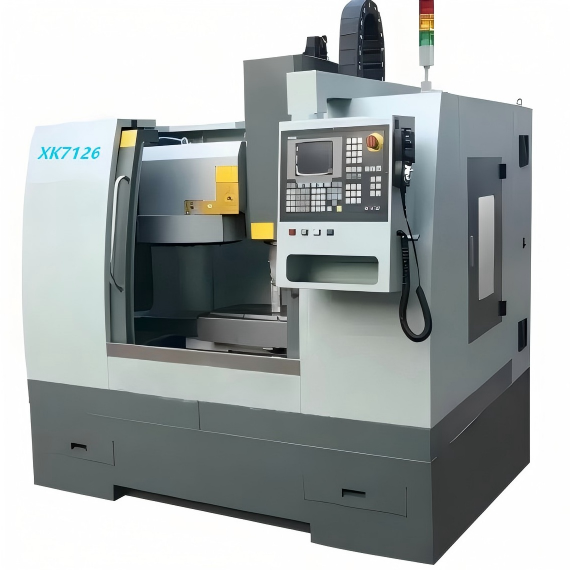
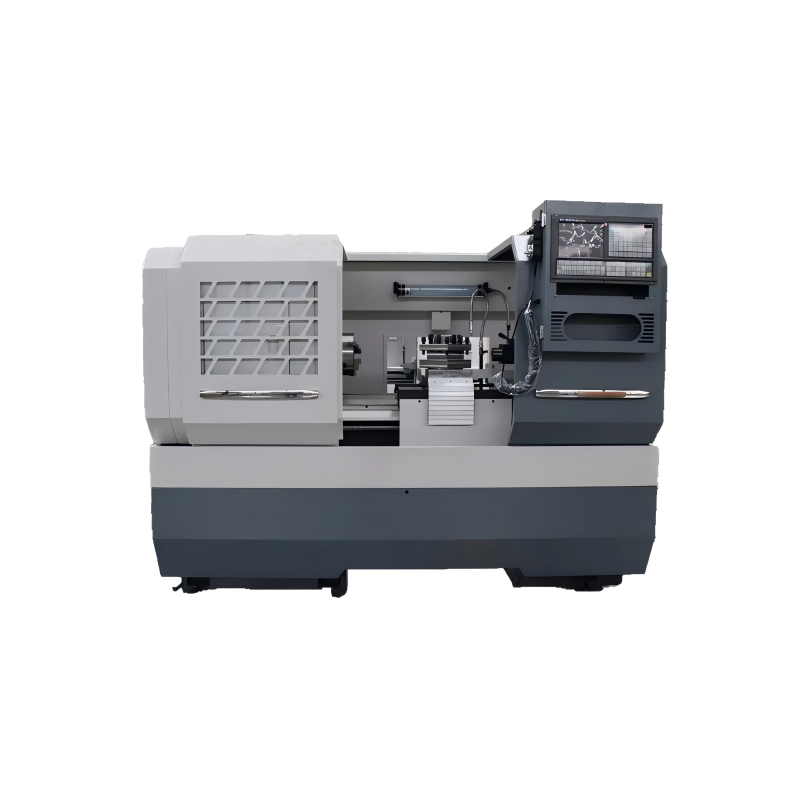
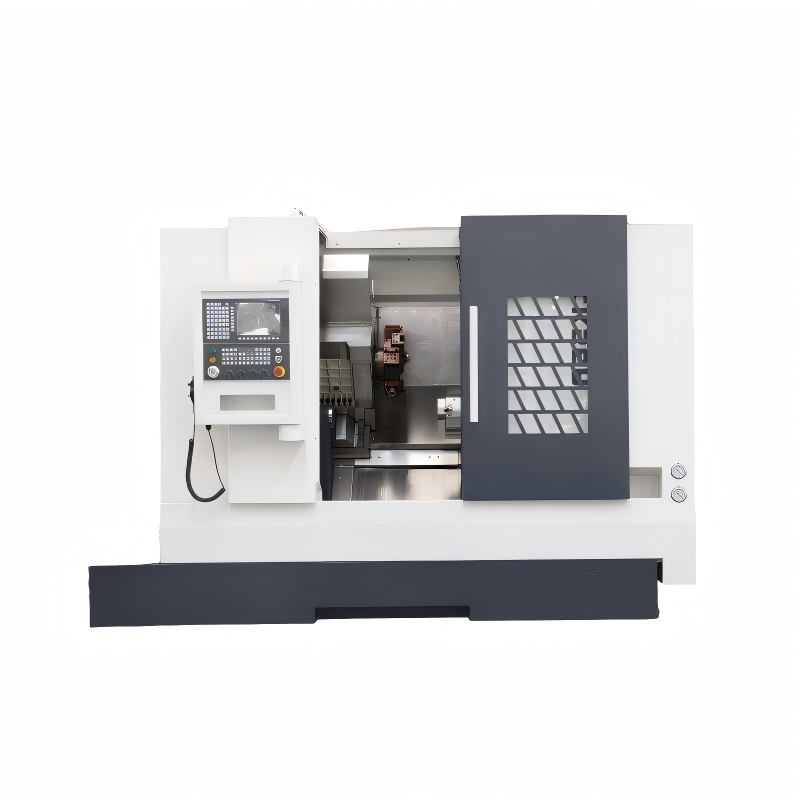
A horizontal CNC lathe is a versatile machine used in manufacturing to produce precision parts with high accuracy and repeatability. This guide aims to provide a comprehensive overview of the key considerations when selecting the right Horizontal CNC Lathe for your specific needs, ensuring that you make an informed decision that aligns with both your production requirements and budget constraints.
Before delving into the selection process, it's crucial to have a solid understanding of what a Horizontal CNC Lathe is and its primary functions. A Horizontal CNC Lathe operates by rotating the workpiece on its axis while a cutting tool, controlled by a computer program, removes material to shape the part. The "horizontal" aspect refers to the orientation of the spindle, which runs parallel to the ground, allowing for easy loading and unloading of heavy or long components. These machines are widely used across various industries, including automotive, aerospace, and general machining, due to their ability to handle complex operations with minimal human intervention, leading to increased productivity and consistency in part quality.
One of the first steps in choosing the right Horizontal CNC Lathe involves a thorough evaluation of your current and future production needs. This assessment should cover aspects such as the size and weight of the materials you plan to work with, the complexity of the parts you need to manufacture, and the expected volume of production. For instance, if your application requires working with large or heavy pieces, a lathe with a robust build and a larger chuck capacity will be necessary. Additionally, consider the range of operations the machine can perform; some lathes offer live tooling capabilities, enabling them to conduct milling, drilling, and tapping alongside turning, which could significantly expand your machining versatility without the need for additional equipment.
The control system and software integrated into a Horizontal CNC Lathe play a critical role in determining the machine’s efficiency and the precision of the parts produced. Modern CNC lathes come equipped with advanced control systems, such as Fanuc, Siemens, or Mitsubishi, each offering unique features and levels of user-friendliness. When evaluating these options, it's important to consider factors like the ease of programming, the availability of simulation tools to test programs before execution, and the support for various file formats (e.g., G-code). Furthermore, the inclusion of real-time monitoring and diagnostics can greatly enhance maintenance and troubleshooting processes, reducing downtime and increasing overall productivity. Investing in a lathe with a sophisticated yet intuitive control system not only simplifies the operation but also allows for more precise adjustments, contributing to higher-quality output and reduced scrap rates.
Maintenance and support are often overlooked but are essential factors in the longevity and reliability of a Horizontal CNC Lathe. Regular maintenance, including cleaning, lubrication, and replacement of worn parts, is vital to ensure the machine continues to operate at optimal performance. When purchasing a new lathe, inquire about the manufacturer’s service agreements, warranty terms, and the availability of spare parts. A reliable supplier should offer comprehensive training for operators and maintenance staff, as well as responsive technical support. Having access to quick and effective support can mean the difference between a minor setback and a significant disruption in production, making this an important consideration in your decision-making process.
Lastly, conducting a cost-benefit analysis is crucial to ensure that the investment in a Horizontal CNC Lathe aligns with your financial goals. While the initial purchase price is a significant factor, it's equally important to consider the total cost of ownership, which includes ongoing expenses such as energy consumption, maintenance, and potential upgrades. High-efficiency machines may come with a higher upfront cost but can lead to substantial savings in the long run through lower operational costs and increased productivity. Additionally, evaluate the potential return on investment (ROI) by estimating how the new machine will impact your production capacity, part quality, and overall business growth. A well-considered investment in a Horizontal CNC Lathe can provide a competitive edge, enabling you to meet customer demands more effectively and potentially opening up new business opportunities.
In conclusion, selecting the right Horizontal CNC Lathe is a multifaceted decision that requires careful consideration of your production needs, the machine's capabilities, the control system, maintenance and support services, and the overall cost-benefit. By thoroughly assessing these factors, you can make an informed choice that enhances your manufacturing processes, improves product quality, and contributes to the long-term success of your business.
 29/06/2026
In the realm of industrial metalworking, the advent of advanced machining technologies has been a game changer. Among these, the Horizontal CNC Lathe stands out as a revolutionary tool that not only enhances precision but also boosts productivity. This ar
Read More28/06/2026In today's fast-paced manufacturing environment, the quest for increased productivity and precision has led to significant advancements in machining technologies. One such innovation that stands out is the Horizontal CNC Lathe. These machines not only imp
Read More27/06/2026The automotive industry, known for its relentless pursuit of precision, efficiency, and innovation, has been significantly transformed by the integration of advanced manufacturing technologies. One such technology that plays a pivotal role in the producti
Read More26/06/2026Understanding the Basics of Horizontal CNC LathesThe evolution of machining technology has brought about significant advancements in precision and efficiency, with one notable development being the Horizontal CNC Lathe. This machine represents a pinnacle
Read More25/06/2026In the realm of modern manufacturing, the Horizontal CNC Lathe has emerged as a transformative technology, significantly enhancing productivity and precision. This report delves into the innovations that are shaping the future of manufacturing, focusing o
Read MoreOur professional sales team is always ready to assist you.