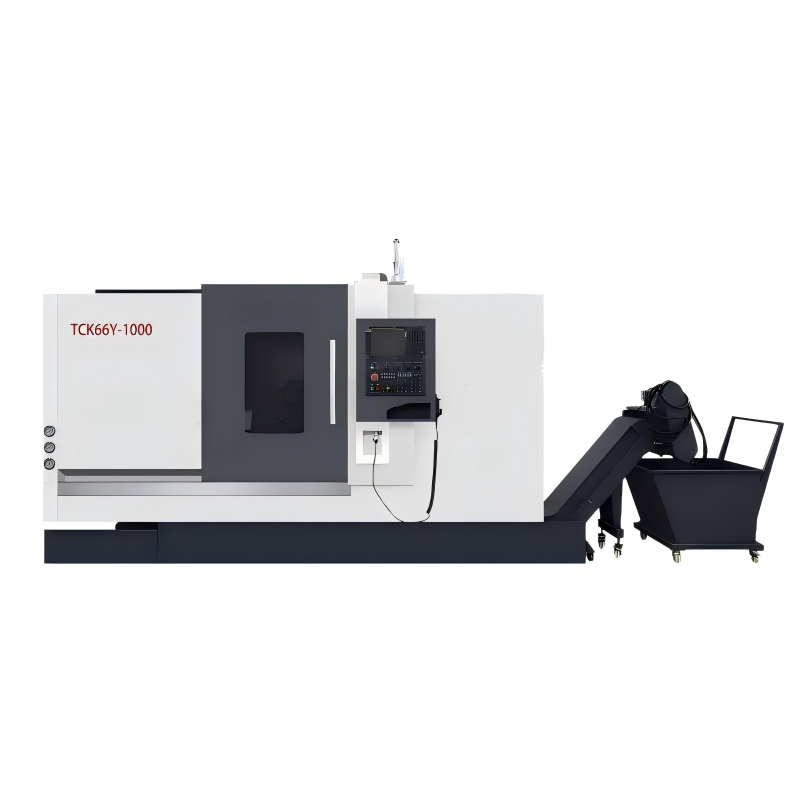
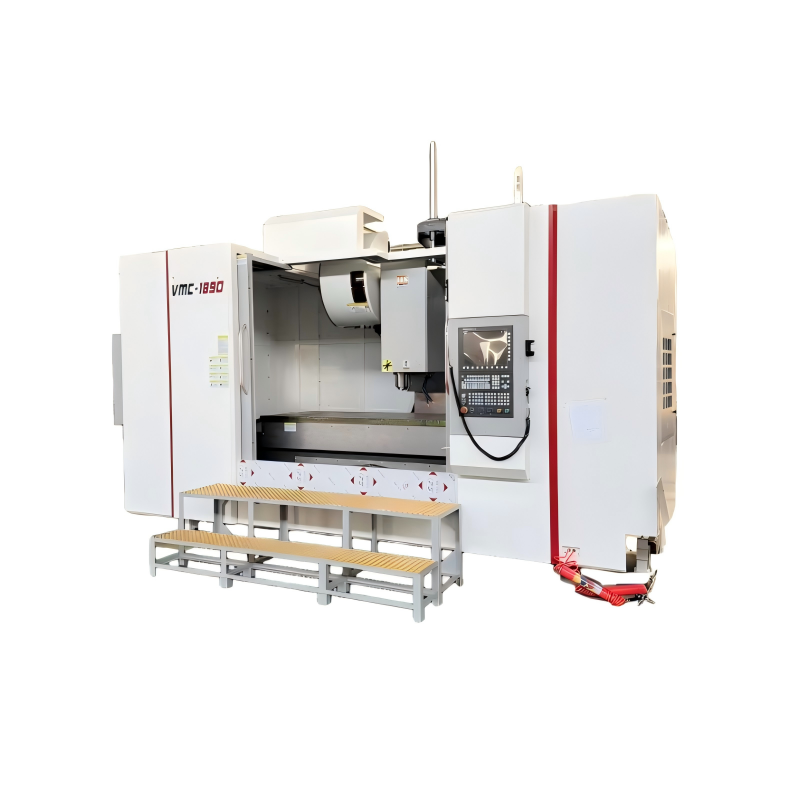
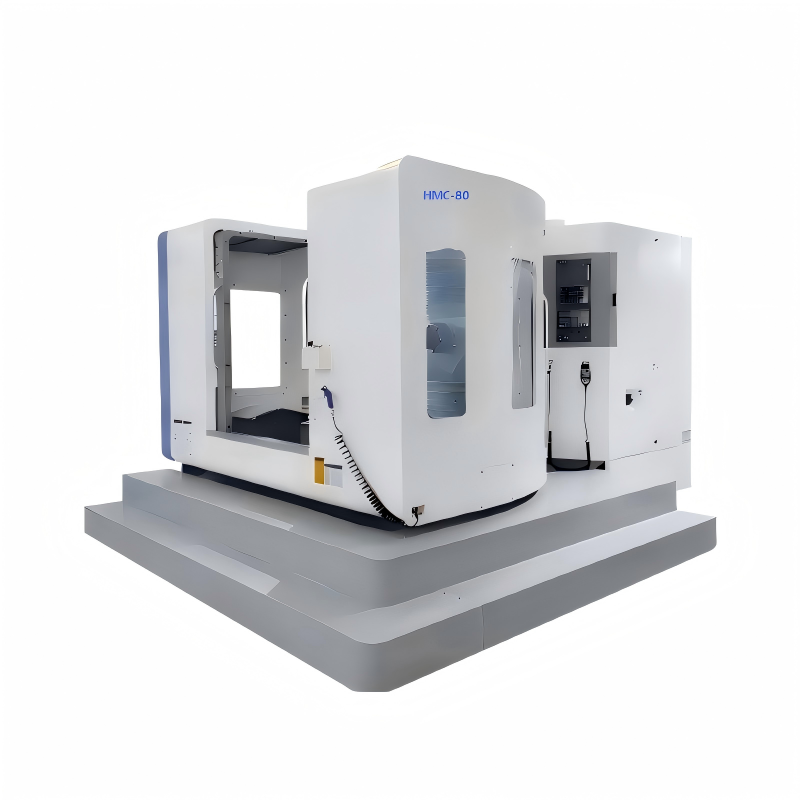
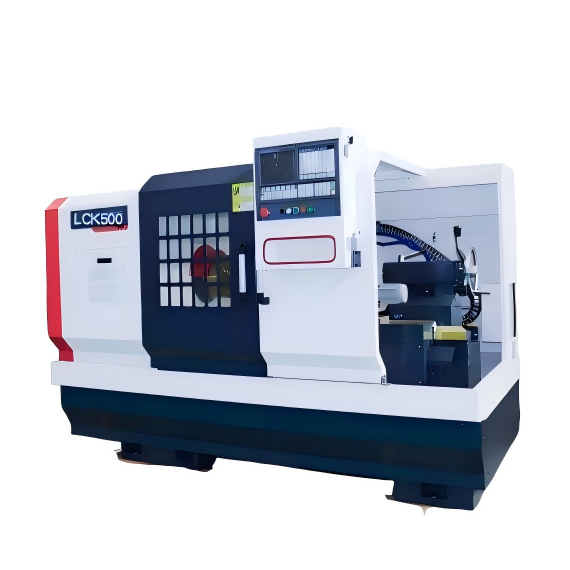
In today's manufacturing landscape, the choice of a 2-Axis CNC Lathe is pivotal for achieving precision and efficiency in machining operations. This report delves into the critical factors to consider when selecting the right 2-Axis CNC Lathe for your workshop needs, ensuring that you make an informed decision that aligns with your production goals.
A 2-Axis CNC Lathe is designed to perform turning operations along two axes: X (horizontal) and Z (vertical). These lathes are ideal for cylindrical parts, offering high precision and repeatability. The X-axis controls the cross-slide movement, while the Z-axis manages the longitudinal motion. Understanding these capabilities is crucial for determining whether a 2-Axis CNC Lathe meets your specific requirements. For instance, if your workshop primarily deals with simple cylindrical parts, a 2-Axis CNC Lathe can be a cost-effective and efficient solution.
Before making a purchase, it is essential to assess your workshop's production requirements. Consider the types of materials you will be working with, the size and complexity of the parts, and the volume of production. A 2-Axis CNC Lathe is well-suited for small to medium-sized parts made from metals like steel, aluminum, and brass. Additionally, evaluate the required tolerances and surface finish. A 2-Axis CNC Lathe can achieve tight tolerances and excellent surface finishes, making it suitable for high-precision applications.
When choosing a 2-Axis CNC Lathe, it is vital to carefully evaluate its technical specifications. Key factors include spindle speed, power, and torque, as these determine the machine's ability to handle different materials and part sizes. Spindle speed is particularly important for achieving the desired surface finish and cutting efficiency. Power and torque are critical for handling harder materials and larger parts. Additionally, consider the travel distance of the X and Z axes, as this will impact the maximum size of the parts you can produce. Ensure that the lathe's specifications align with your workshop's production needs.
The software and control systems of a 2-Axis CNC Lathe play a significant role in its overall performance. Modern CNC lathes come equipped with advanced control systems that offer features such as automatic tool changers, real-time monitoring, and user-friendly interfaces. These features enhance productivity and ease of use. When evaluating control systems, consider the level of programming expertise required and the availability of support and training. Some lathes may require more specialized knowledge, while others offer intuitive interfaces that are easier to learn. Additionally, ensure that the control system is compatible with your existing CAD/CAM software, as this will streamline the design-to-manufacturing process.
Maintenance and support are often overlooked but are crucial for the long-term reliability and performance of a 2-Axis CNC Lathe. Regular maintenance, including lubrication, calibration, and cleaning, is necessary to keep the machine in optimal condition. When selecting a lathe, inquire about the manufacturer's maintenance recommendations and the availability of spare parts. Additionally, consider the level of customer support provided by the manufacturer, including technical assistance and on-site service. A reliable support system can significantly reduce downtime and ensure that any issues are resolved quickly, minimizing disruptions to your production schedule.
Conducting a cost-benefit analysis is essential to ensure that the investment in a 2-Axis CNC Lathe is financially viable. Consider the initial purchase price, installation costs, and ongoing operational expenses such as electricity, maintenance, and tooling. Compare these costs with the potential benefits, including increased productivity, improved quality, and reduced labor costs. A 2-Axis CNC Lathe can provide a significant return on investment by enabling faster and more precise machining, leading to higher throughput and better product quality. Additionally, factor in the potential for future expansion and the flexibility of the machine to adapt to changing production needs.
By carefully considering the capabilities, production requirements, technical specifications, software and control systems, maintenance and support, and conducting a thorough cost-benefit analysis, you can choose the right 2-Axis CNC Lathe for your workshop. This informed decision will not only enhance your production capabilities but also contribute to the long-term success and growth of your business.
 23/06/2026
A 2-Axis CNC Lathe is a vital piece of equipment in many manufacturing processes, providing precision and efficiency that traditional lathes cannot match. However, to ensure optimal performance and longevity, regular maintenance is essential. This report
Read More23/06/2026The advent of Computer Numerical Control (CNC) technology has revolutionized the metalworking industry, offering unprecedented precision and efficiency. Among the various types of CNC machines, the 2-Axis CNC Lathe stands out as a versatile tool that sign
Read More22/06/2026Understanding the Basics of 2-Axis CNC Lathe The 2-axis CNC lathe is a fundamental machine in the world of manufacturing, especially suited for small shops looking to increase efficiency while maintaining cost-effectiveness. These machines operate along t
Read More22/06/2026In the realm of precision machining, the 2-Axis CNC Lathe plays a pivotal role in achieving high-precision and efficient manufacturing. This technical report delves into the various aspects of how a 2-Axis CNC Lathe contributes to the field, highlighting
Read More22/06/2026The evolution of manufacturing technologies has been marked by continuous innovation, with the 2-Axis CNC Lathe standing out as a pivotal tool in this transformation. This report delves into the versatility and critical applications of the 2-Axis CNC Lath
Read MoreOur professional sales team is always ready to assist you.