The advent of Computer Numerical Control (CNC) technology has revolutionized the metalworking industry, offering unprecedented precision and efficiency. Among the various types of CNC machines, the 2-Axis CNC Lathe stands out as a versatile tool that significantly enhances productivity in manufacturing processes. This article delves into how the 2-Axis CNC Lathe contributes to the efficiency of metalworking operations, exploring its capabilities, advantages, and applications.
Enhanced Precision and Consistency
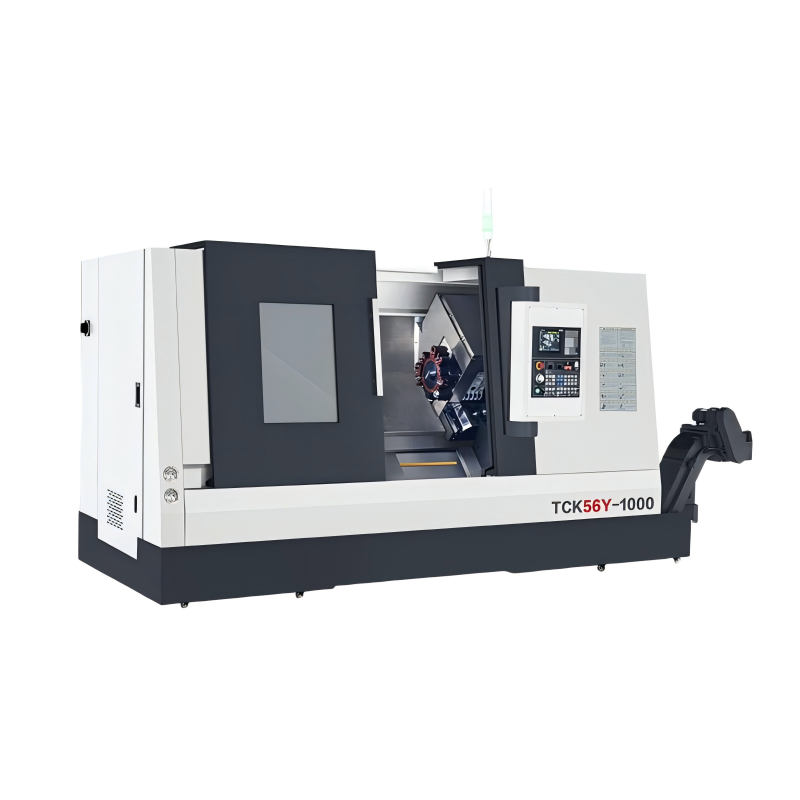
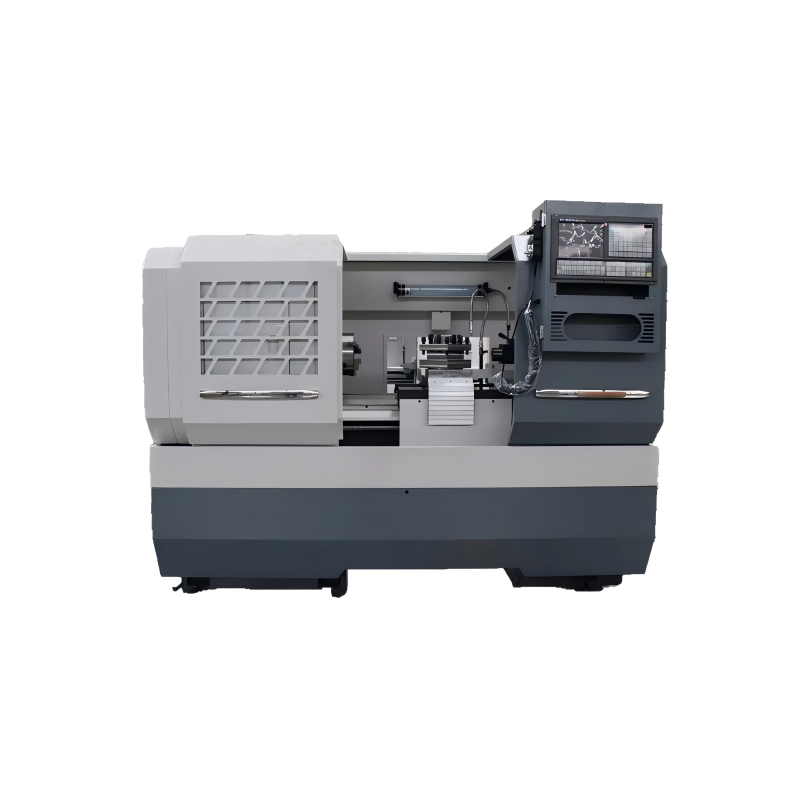
The 2-Axis CNC Lathe is designed to perform operations along two axes: the X-axis (horizontal) and the Z-axis (vertical). This dual-axis capability allows for highly precise and repeatable machining, which is crucial in achieving consistent quality in metal parts. Unlike manual lathes, where human error can lead to variations in part dimensions, the 2-Axis CNC Lathe operates with computer-controlled accuracy, ensuring that each piece meets the exact specifications required. This level of precision is particularly beneficial in industries such as aerospace, automotive, and medical devices, where even the slightest deviation can have significant consequences.
Moreover, the 2-Axis CNC Lathe can execute complex geometries and intricate designs with ease. The machine's ability to follow programmed instructions with high fidelity means that it can produce parts with tight tolerances and smooth finishes, reducing the need for secondary operations such as grinding or polishing. This not only saves time but also minimizes material waste, making the 2-Axis CNC Lathe a cost-effective solution for high-precision metalworking.
Increased Productivity and Reduced Downtime
One of the most significant advantages of the 2-Axis CNC Lathe is its ability to increase productivity while reducing downtime. Traditional manual lathes require skilled operators to set up and operate the machine, which can be time-consuming and prone to errors. In contrast, the 2-Axis CNC Lathe automates many of these tasks, allowing for faster setup times and more efficient production runs.
With the 2-Axis CNC Lathe, once the initial programming is complete, the machine can run continuously without the need for constant operator intervention. This automation leads to a significant reduction in labor costs and an increase in overall throughput. Additionally, the machine's ability to switch between different programs quickly and easily means that it can handle a wide range of jobs with minimal downtime. This flexibility is especially valuable in high-mix, low-volume production environments where frequent changeovers are common.
Furthermore, the 2-Axis CNC Lathe often comes equipped with advanced features such as automatic tool changers and in-process inspection systems. These features further enhance productivity by minimizing the time required for tool changes and ensuring that parts meet quality standards throughout the production process. As a result, manufacturers can achieve higher output rates and maintain consistent quality, leading to increased customer satisfaction and competitiveness in the market.
Cost-Effective and Scalable Solutions
The 2-Axis CNC Lathe offers a cost-effective and scalable solution for metalworking operations. While the initial investment in a CNC lathe may be higher than that of a manual lathe, the long-term benefits in terms of productivity, quality, and reduced labor costs make it a worthwhile investment. The machine's ability to produce high-quality parts with minimal scrap and rework translates into lower material costs and higher profitability.
Additionally, the 2-Axis CNC Lathe is highly scalable, meaning it can be adapted to meet the changing needs of a manufacturing operation. As production volumes increase, the machine can be programmed to run longer shifts or additional units can be added to the production line. Conversely, if demand decreases, the machine can be easily reprogrammed to handle smaller batches or different types of parts. This flexibility allows manufacturers to respond quickly to market changes and maintain a competitive edge.
Moreover, the 2-Axis CNC Lathe is compatible with a wide range of materials, including steel, aluminum, brass, and titanium. This versatility means that the machine can be used in various industries and applications, from producing small, intricate components to large, heavy-duty parts. The ability to work with different materials and part sizes makes the 2-Axis CNC Lathe a valuable asset for any metalworking facility, regardless of its size or specific focus.
In conclusion, the 2-Axis CNC Lathe is a powerful tool that significantly enhances the efficiency of metalworking operations. Its enhanced precision and consistency, increased productivity, and cost-effectiveness make it an indispensable asset for modern manufacturing. By leveraging the capabilities of the 2-Axis CNC Lathe, manufacturers can achieve higher quality, faster production, and greater flexibility, ultimately driving their success in a competitive global market.
 23/06/2026



