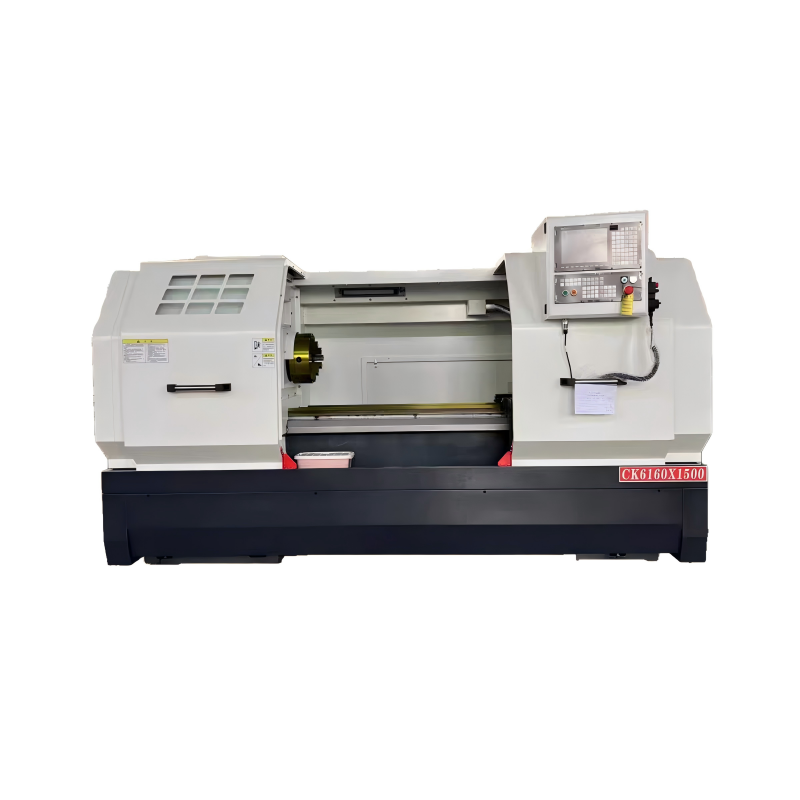
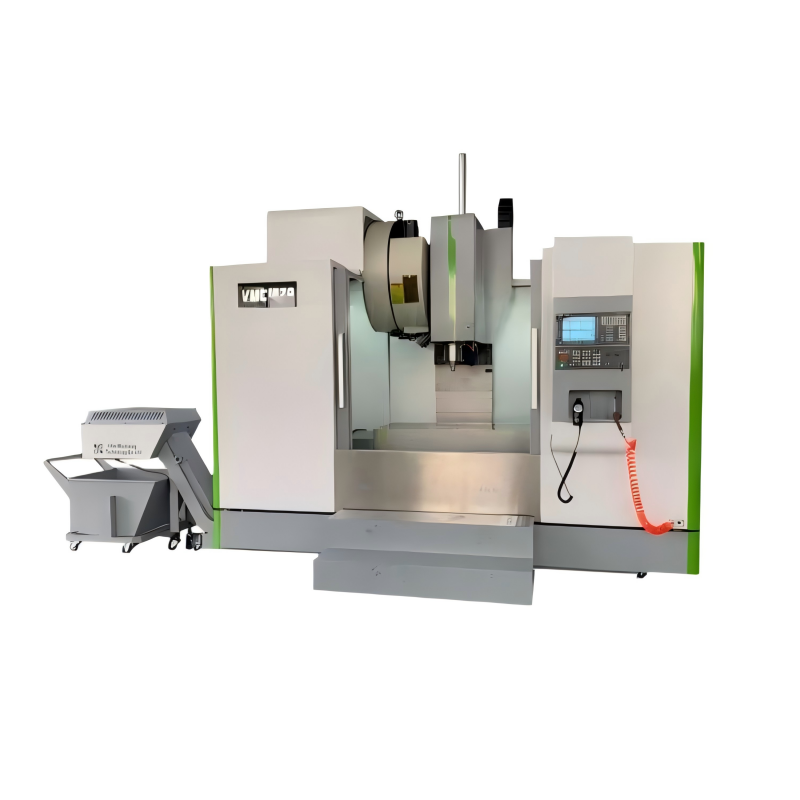
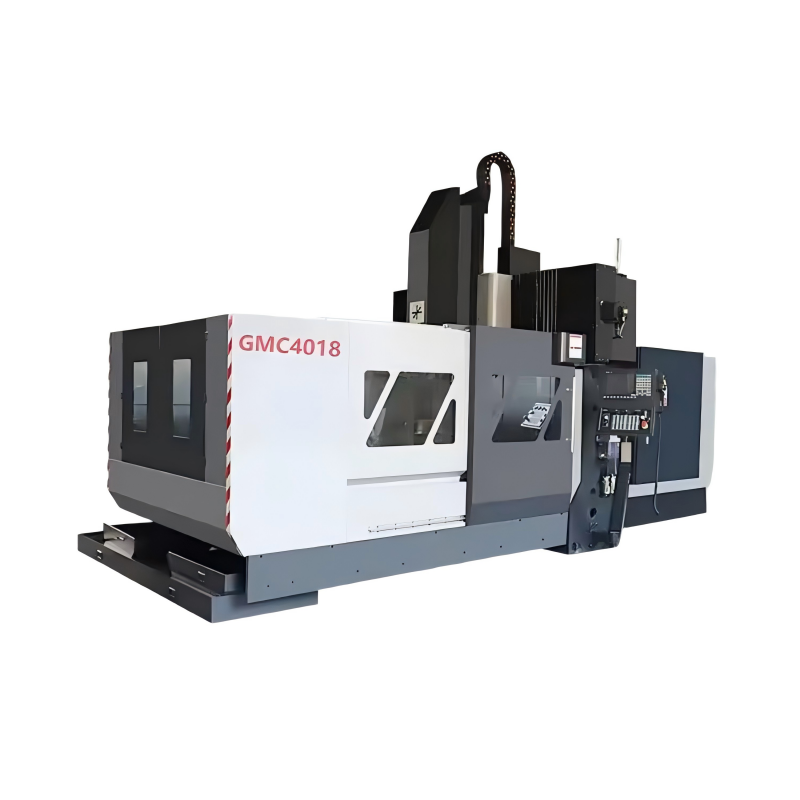
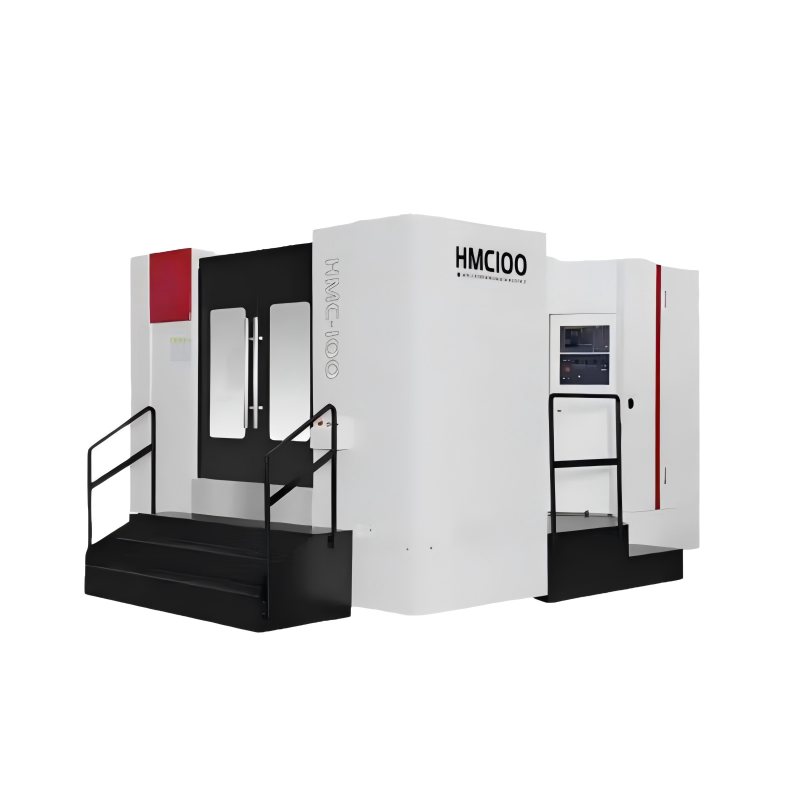
In the realm of precision manufacturing, two-axis CNC lathes play a crucial role in producing high-quality components with tight tolerances. These machines are indispensable for industries ranging from automotive to aerospace, where accuracy and repeatability are paramount. However, the performance of a two-axis CNC Lathe is not solely determined by its hardware; the software that drives these machines is equally, if not more, important. This report explores how advanced software solutions can significantly enhance the performance of Two-Axis CNC Lathes, focusing on three key areas: optimization of machining processes, real-time monitoring and control, and predictive maintenance.
One of the primary ways in which software enhances the performance of a two-axis CNC lathe is through the optimization of machining processes. Modern CAD/CAM (Computer-Aided Design/Computer-Aided Manufacturing) software allows for the creation of highly detailed and accurate toolpaths, which can be tailored to the specific requirements of each job. By simulating the entire machining process in a virtual environment, engineers can identify potential issues such as tool collisions, inefficient cutting paths, or excessive material removal rates before they occur on the actual machine. This not only reduces the risk of errors but also optimizes the use of resources, leading to faster production times and lower costs.
Moreover, adaptive control software can further refine the machining process by dynamically adjusting parameters such as feed rate and spindle speed based on real-time data from the machine. For example, if the software detects an increase in cutting forces, it can automatically reduce the feed rate to prevent tool wear or breakage. Conversely, if the cutting conditions are optimal, the software can increase the feed rate to maximize productivity. This level of automation and adaptability ensures that the two-axis CNC lathe operates at peak efficiency, even under varying workpiece conditions.
Another critical aspect of enhancing two-axis CNC lathe performance is the implementation of real-time monitoring and control systems. These systems provide operators with continuous feedback on the machine's status, including temperature, vibration, and power consumption. By analyzing this data, the software can detect anomalies or deviations from normal operating conditions, allowing for immediate corrective action. For instance, if the software identifies a sudden increase in vibration, it may indicate a misalignment or a worn-out bearing, prompting the operator to pause the operation and perform necessary maintenance.
Furthermore, real-time monitoring enables the integration of quality control measures directly into the machining process. In-line inspection tools, such as laser scanners or coordinate measuring machines (CMMs), can be used to verify the dimensions and surface finish of the workpiece during the machining cycle. The software can then compare the measured values against the design specifications and make adjustments to the toolpath or machining parameters as needed. This closed-loop system ensures that the final product meets the required standards, reducing the need for post-machining inspections and rework.
The third major area where software can significantly improve the performance of a two-axis CNC lathe is through predictive maintenance. Traditional maintenance strategies, such as scheduled downtime for routine checks, can be both time-consuming and costly. Predictive maintenance, on the other hand, leverages data analytics and machine learning algorithms to forecast when maintenance is likely to be required. By continuously monitoring the health of the machine and its components, the software can detect early signs of wear or failure, allowing for proactive intervention before a breakdown occurs.
For example, the software can analyze historical data on tool wear patterns and predict when a tool is approaching the end of its useful life. It can then alert the operator to replace the tool before it fails, preventing damage to the workpiece and minimizing downtime. Similarly, the software can monitor the condition of the spindle, bearings, and other critical components, and schedule maintenance activities based on their actual usage and degradation rates. This approach not only extends the lifespan of the machine but also maximizes its uptime, leading to higher overall productivity.
In conclusion, the role of software in enhancing the performance of two-axis CNC lathes cannot be overstated. Through the optimization of machining processes, real-time monitoring and control, and predictive maintenance, advanced software solutions enable these machines to achieve higher levels of precision, efficiency, and reliability. As technology continues to evolve, the integration of more sophisticated software tools will undoubtedly play an increasingly vital role in the future of precision manufacturing.
 23/06/2026
Understanding the Basics of a Two-Axis CNC LatheIn the realm of modern manufacturing, precision and efficiency are paramount. A Two-Axis CNC Lathe represents a significant advancement in machining technology, enabling manufacturers to achieve higher level
Read More23/06/2026In the rapidly evolving landscape of manufacturing, the adoption of advanced machinery plays a pivotal role in enhancing productivity and efficiency. Among these, the Two-Axis CNC Lathe stands out as a versatile tool that can significantly impact producti
Read More22/06/2026Choosing the right tools for your Two-Axis CNC Lathe is a critical step in ensuring both the efficiency and quality of your machining processes. A well-equipped lathe can significantly enhance productivity, reduce downtime, and produce high-precision part
Read More22/06/2026In the realm of precision machining, Two-Axis CNC Lathes play a pivotal role in transforming raw materials into intricate and accurate components. This report aims to provide an in-depth understanding of the basics of Two-Axis CNC Lathe operations, highli
Read MoreOur professional sales team is always ready to assist you.