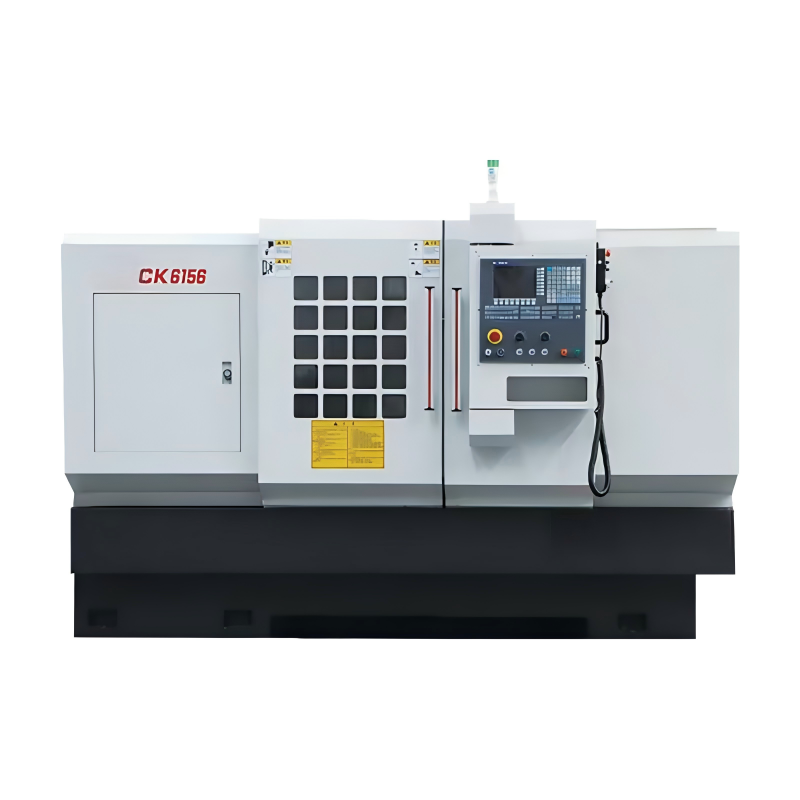
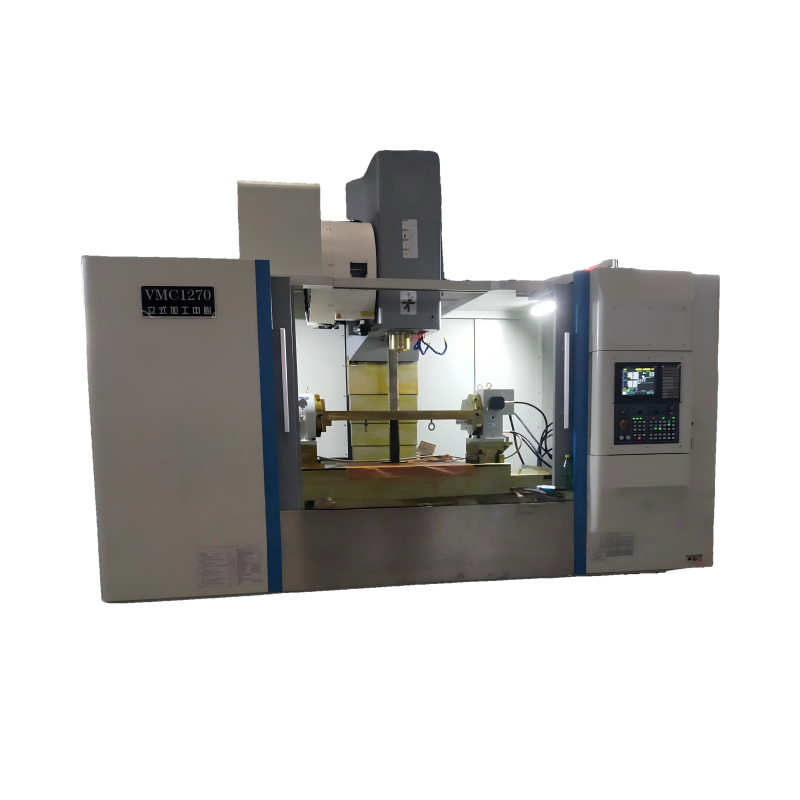
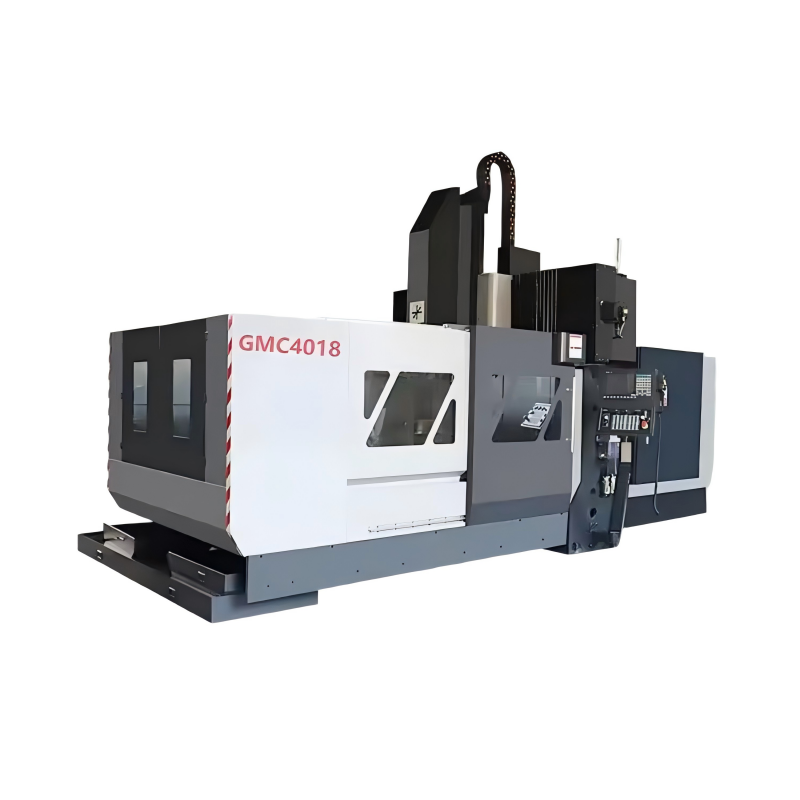
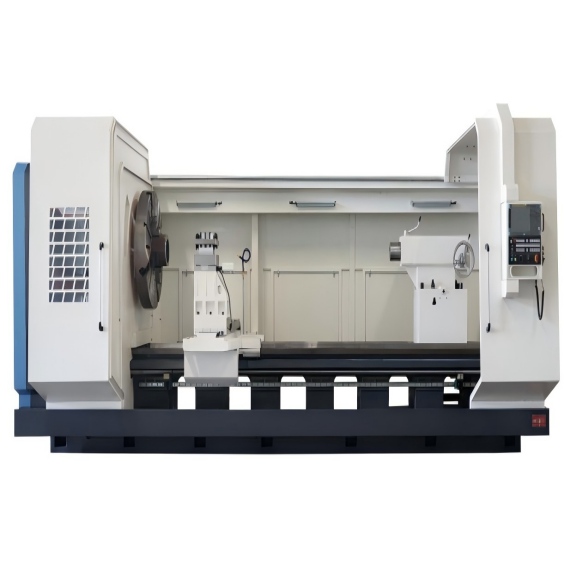
In the realm of modern manufacturing, precision and efficiency are paramount. A Two-Axis CNC Lathe represents a significant advancement in machining technology, enabling manufacturers to achieve higher levels of accuracy and productivity. This section will explore the fundamental principles behind a Two-Axis CNC Lathe, including its components, operation, and the advantages it offers over traditional lathes.
A two-axis CNC (Computer Numerical Control) lathe operates on two primary axes: the X-axis, which controls the movement of the tool along the length of the workpiece, and the Z-axis, which controls the rotational motion of the workpiece itself. The integration of these axes with advanced computer control systems allows for precise and repeatable machining operations. Unlike manual latches, where the skill and experience of the operator play a critical role, a CNC lathe can execute complex and intricate designs with minimal human intervention.
The core components of a two-axis CNC lathe include the spindle, tool turret, and the control system. The spindle holds the workpiece and rotates it at high speeds, while the tool turret houses various cutting tools that can be automatically switched during the machining process. The control system, typically a computer, is programmed with the specific instructions for the desired part, ensuring that each operation is performed with the utmost precision.
One of the most compelling reasons for adopting a Two-Axis CNC Lathe in manufacturing processes is the enhanced precision and repeatability it offers. Traditional lathes, while effective, often require skilled operators to manually adjust the tooling and workpiece, leading to potential inconsistencies in the final product. In contrast, a CNC lathe can produce parts with extremely tight tolerances, ensuring that each piece meets the exact specifications required.
Another significant advantage is the increased productivity. With a two-axis CNC lathe, multiple operations can be performed in a single setup, reducing the need for frequent tool changes and repositioning of the workpiece. This not only saves time but also minimizes the risk of errors that can occur during manual handling. Additionally, the ability to run unattended for extended periods means that production can continue even when operators are not present, further boosting overall output.
Cost-effectiveness is another key benefit. While the initial investment in a CNC lathe may be higher compared to a conventional lathe, the long-term savings in terms of reduced labor costs, material waste, and improved quality make it a worthwhile investment. The ability to automate and streamline the manufacturing process leads to lower operational costs and higher profitability.
The versatility of a Two-Axis CNC Lathe makes it suitable for a wide range of applications across various industries. In the automotive sector, for example, CNC lathes are used to manufacture precision components such as engine parts, gears, and shafts. The high level of accuracy and consistency provided by these machines ensures that the parts meet the stringent quality standards required for reliable vehicle performance.
In the aerospace industry, where precision and reliability are non-negotiable, two-axis CNC lathes play a crucial role in the production of critical components. From turbine blades to structural parts, the ability to machine complex geometries with high precision is essential. The use of CNC lathes in this sector not only enhances the quality of the parts but also contributes to the safety and efficiency of aircraft and spacecraft.
The medical device industry is another area where the precision of a two-axis CNC lathe is invaluable. Components such as surgical instruments, implants, and diagnostic equipment require exacting standards to ensure patient safety and the effectiveness of the devices. The ability to produce these parts with high accuracy and repeatability is a key factor in the success of medical device manufacturers.
Furthermore, the electronics industry benefits from the use of CNC lathes in the production of small, intricate parts. From connectors and housings to specialized components, the precision and flexibility of a two-axis CNC lathe enable the manufacture of high-quality, reliable electronic devices.
While the advantages of a Two-Axis CNC Lathe are numerous, there are also several challenges and considerations that manufacturers must address when implementing this technology. One of the primary challenges is the initial cost of the equipment and the associated training. CNC lathes are more expensive than their manual counterparts, and operators need to be trained to program and operate the machines effectively. However, the long-term benefits in terms of productivity and quality often outweigh these initial costs.
Maintenance and upkeep are also important factors to consider. CNC lathes are sophisticated machines that require regular maintenance to ensure optimal performance. This includes keeping the control system updated, performing routine checks on the mechanical components, and addressing any issues promptly to avoid downtime. Establishing a robust maintenance schedule and having access to skilled technicians can help mitigate these challenges.
Finally, the integration of a two-axis CNC lathe into existing manufacturing processes requires careful planning. Manufacturers need to assess their current workflow and determine how the new technology can be seamlessly integrated without disrupting ongoing operations. This may involve reconfiguring the production line, adjusting workflows, and ensuring that all necessary support systems, such as software and data management, are in place.
The field of CNC lathe technology is continuously evolving, with new innovations and trends shaping the future of manufacturing. One of the most promising developments is the integration of artificial intelligence (AI) and machine learning (ML) into CNC lathes. AI and ML can enhance the predictive maintenance capabilities of the machines, allowing for real-time monitoring and proactive maintenance to prevent breakdowns and optimize performance.
Another trend is the increasing use of Industry 4.0 technologies, such as the Internet of Things (IoT) and cloud computing. These technologies enable better connectivity and data exchange between different components of the manufacturing process, leading to more efficient and flexible production. For example, IoT sensors can collect data on machine performance and environmental conditions, which can then be analyzed to optimize operations and improve quality.
Additionally, advancements in materials and tooling are driving the development of more capable and versatile two-axis CNC lathes. New cutting tools and materials, such as high-performance ceramics and advanced alloys, are being developed to handle a wider range of materials and applications. This not only expands the capabilities of the machines but also opens up new possibilities for innovation in manufacturing.
In conclusion, the Two-Axis CNC Lathe is a powerful tool in the modern manufacturing landscape, offering unparalleled precision, productivity, and versatility. By understanding its fundamentals, recognizing its advantages, and addressing the challenges, manufacturers can leverage this technology to stay competitive and drive innovation in their respective industries. As the technology continues to evolve, the future of CNC lathes looks bright, with exciting new developments on the horizon.
 23/06/2026
In the realm of precision manufacturing, two-axis CNC lathes play a crucial role in producing high-quality components with tight tolerances. These machines are indispensable for industries ranging from automotive to aerospace, where accuracy and repeatabi
Read More23/06/2026In the rapidly evolving landscape of manufacturing, the adoption of advanced machinery plays a pivotal role in enhancing productivity and efficiency. Among these, the Two-Axis CNC Lathe stands out as a versatile tool that can significantly impact producti
Read More22/06/2026Choosing the right tools for your Two-Axis CNC Lathe is a critical step in ensuring both the efficiency and quality of your machining processes. A well-equipped lathe can significantly enhance productivity, reduce downtime, and produce high-precision part
Read More22/06/2026In the realm of precision machining, Two-Axis CNC Lathes play a pivotal role in transforming raw materials into intricate and accurate components. This report aims to provide an in-depth understanding of the basics of Two-Axis CNC Lathe operations, highli
Read MoreOur professional sales team is always ready to assist you.