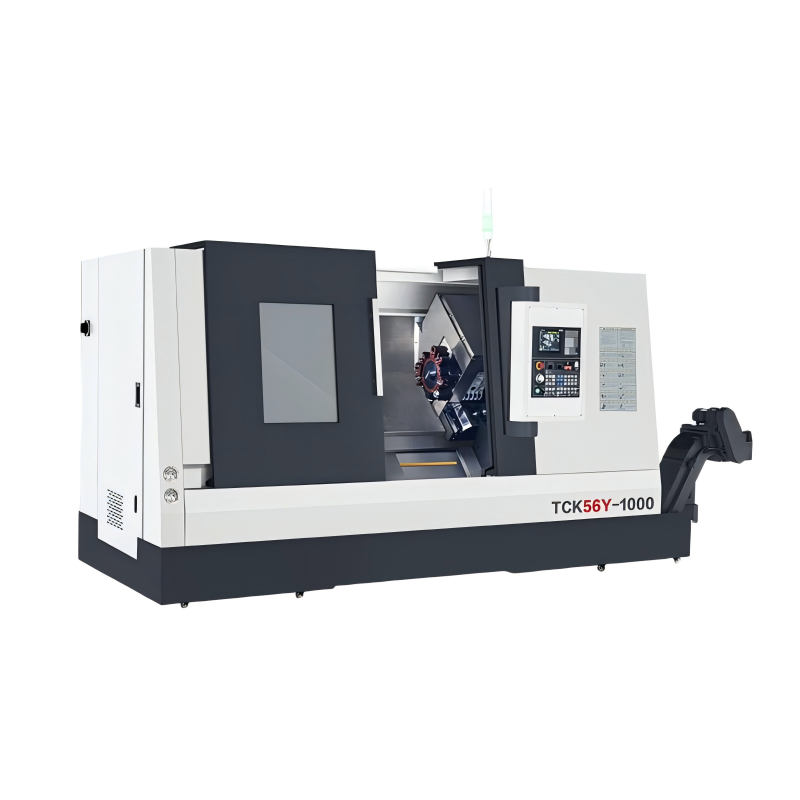
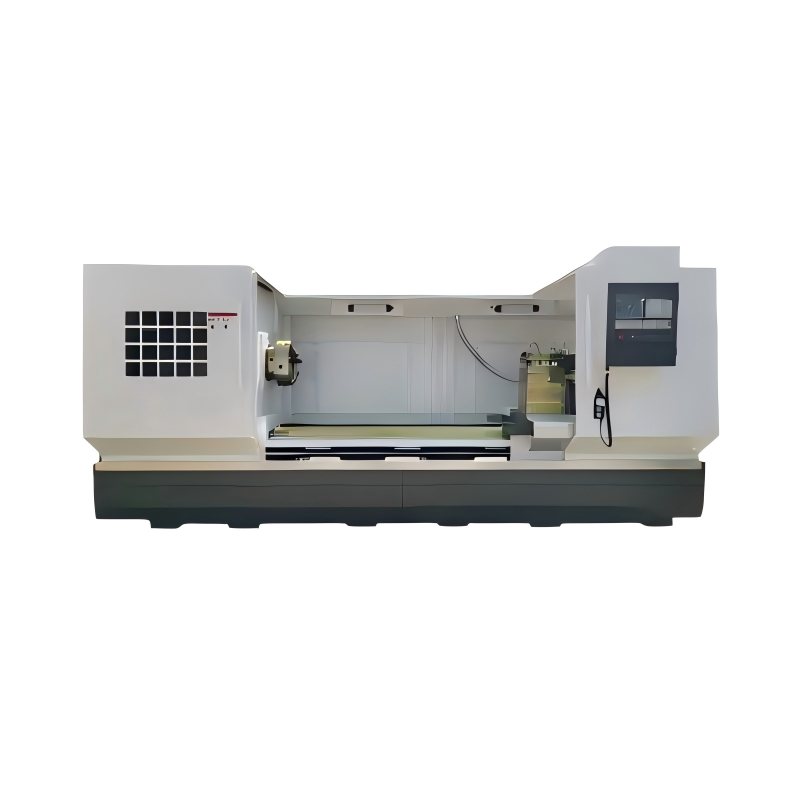
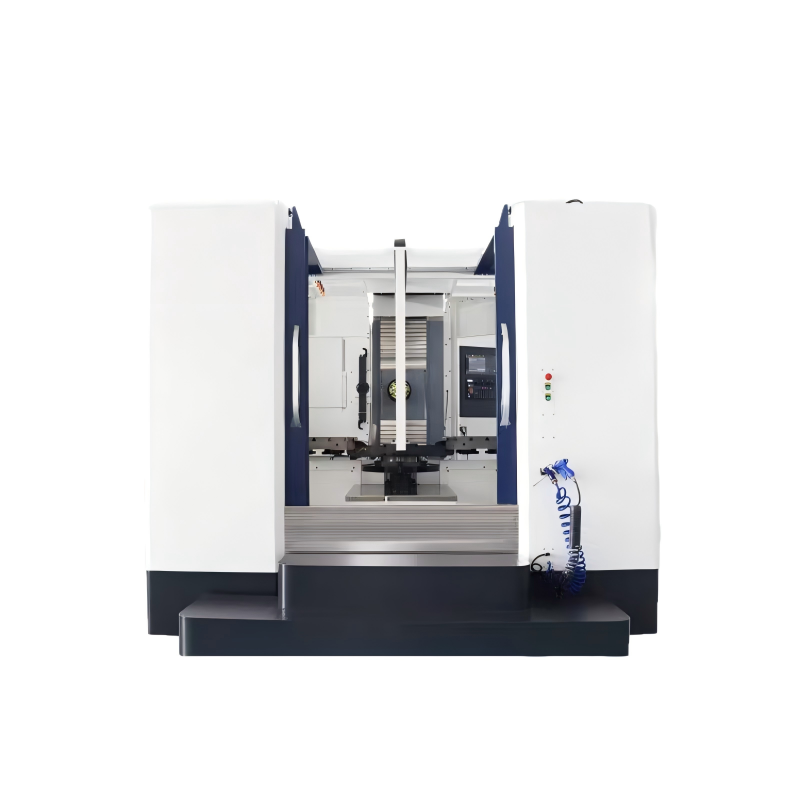
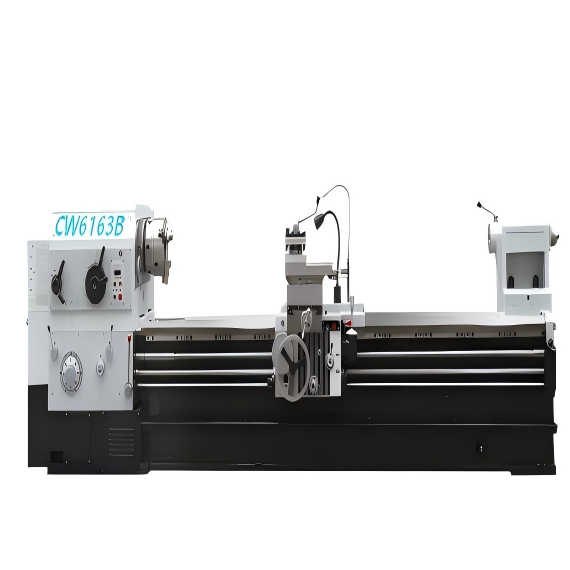
In the rapidly evolving landscape of manufacturing, the adoption of advanced machinery plays a pivotal role in enhancing productivity and efficiency. Among these, the Two-Axis CNC Lathe stands out as a versatile tool that can significantly impact production processes. This technical report aims to explore how the integration of a Two-Axis CNC Lathe can maximize efficiency in manufacturing operations. By examining its capabilities, applications, and the advantages it brings, this document will provide insights into optimizing manufacturing workflows.
A Two-Axis CNC Lathe is designed to perform precise turning operations on cylindrical workpieces. The two axes refer to the X-axis (cross-slide) and Z-axis (main spindle), which enable the machine to move in both linear directions. These movements are controlled by computer-aided design (CAD) software, allowing for high precision and repeatability. The ability to program complex geometries and execute them with minimal human intervention makes the Two-Axis CNC Lathe an indispensable asset in modern manufacturing environments.
The primary advantage of using a Two-Axis CNC Lathe lies in its versatility. It can handle a wide range of materials, from metals like aluminum and steel to plastics and composites. Additionally, the machine's robust construction and high-speed spindles allow for rapid material removal rates, reducing cycle times and increasing overall throughput. This capability is particularly beneficial in high-volume production settings where time is of the essence.
One of the most significant benefits of a Two-Axis CNC Lathe is its ability to achieve exceptional precision and consistency. The use of CAD/CAM software ensures that every part produced meets the exact specifications, eliminating the variability associated with manual machining. This level of accuracy is crucial in industries such as aerospace, automotive, and medical devices, where even minor deviations can lead to catastrophic failures.
Furthermore, the integration of real-time monitoring systems and automated inspection tools can further enhance quality control. These systems can detect and correct errors during the machining process, ensuring that only parts that meet the required standards are produced. This not only improves the quality of the final product but also reduces waste and rework, leading to cost savings and increased customer satisfaction.
The implementation of a Two-Axis CNC Lathe can significantly streamline production processes by automating repetitive tasks and reducing setup times. With the ability to store and recall multiple programs, operators can quickly switch between different jobs without the need for extensive retooling. This flexibility allows manufacturers to respond more efficiently to changing market demands and customer requirements.
Additionally, the use of a Two-Axis CNC Lathe can reduce the need for skilled labor. While traditional lathes require highly trained machinists to operate, CNC machines can be programmed and monitored by technicians with less specialized training. This not only lowers labor costs but also addresses the shortage of skilled workers in the manufacturing sector. Moreover, the reduction in human error leads to more consistent and reliable production outcomes.
Investing in a Two-Axis CNC Lathe can yield significant cost savings over the long term. Although the initial capital expenditure may be higher compared to conventional lathes, the increased productivity, reduced waste, and lower labor costs can result in a quick return on investment. The machine's ability to run continuously, even during off-peak hours, maximizes utilization and further enhances its economic value.
Moreover, the durability and longevity of a Two-Axis CNC Lathe contribute to its cost-effectiveness. Regular maintenance and timely replacement of wear components can extend the machine's lifespan, ensuring that it remains a valuable asset for many years. Additionally, the availability of aftermarket support and spare parts from reputable manufacturers ensures that any downtime is minimized, maintaining the smooth operation of the production line.
The integration of a Two-Axis CNC Lathe into manufacturing operations offers numerous advantages, including enhanced precision, streamlined processes, and cost efficiency. By leveraging the capabilities of this advanced machinery, manufacturers can achieve higher levels of productivity and quality, ultimately leading to greater competitiveness in the global market. As technology continues to advance, the role of the Two-Axis CNC Lathe in driving innovation and efficiency in manufacturing will only become more pronounced.
 23/06/2026
Understanding the Basics of a Two-Axis CNC LatheIn the realm of modern manufacturing, precision and efficiency are paramount. A Two-Axis CNC Lathe represents a significant advancement in machining technology, enabling manufacturers to achieve higher level
Read More23/06/2026In the realm of precision manufacturing, two-axis CNC lathes play a crucial role in producing high-quality components with tight tolerances. These machines are indispensable for industries ranging from automotive to aerospace, where accuracy and repeatabi
Read More22/06/2026Choosing the right tools for your Two-Axis CNC Lathe is a critical step in ensuring both the efficiency and quality of your machining processes. A well-equipped lathe can significantly enhance productivity, reduce downtime, and produce high-precision part
Read More22/06/2026In the realm of precision machining, Two-Axis CNC Lathes play a pivotal role in transforming raw materials into intricate and accurate components. This report aims to provide an in-depth understanding of the basics of Two-Axis CNC Lathe operations, highli
Read MoreOur professional sales team is always ready to assist you.