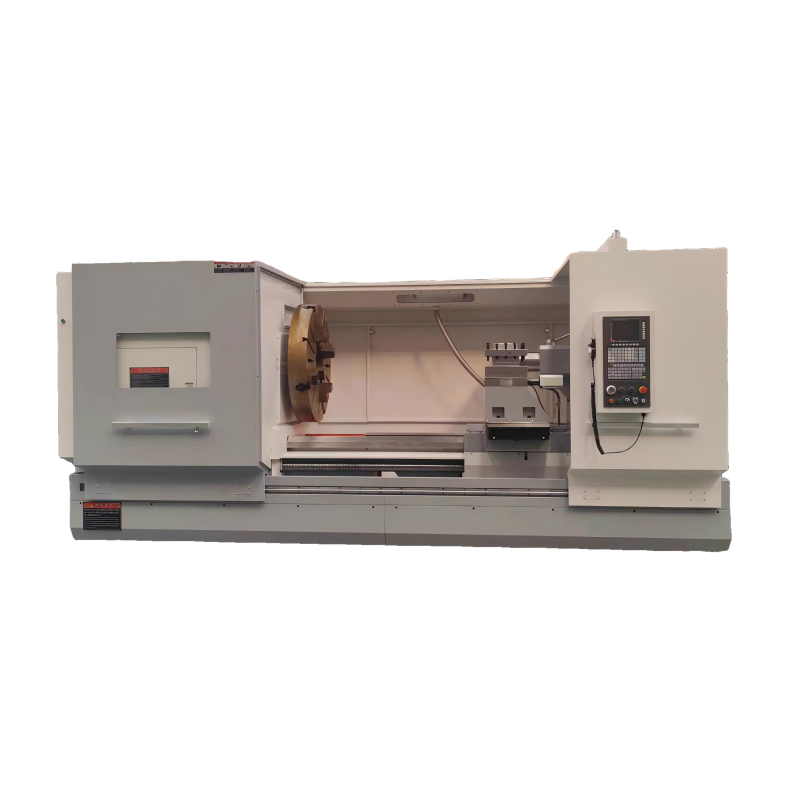
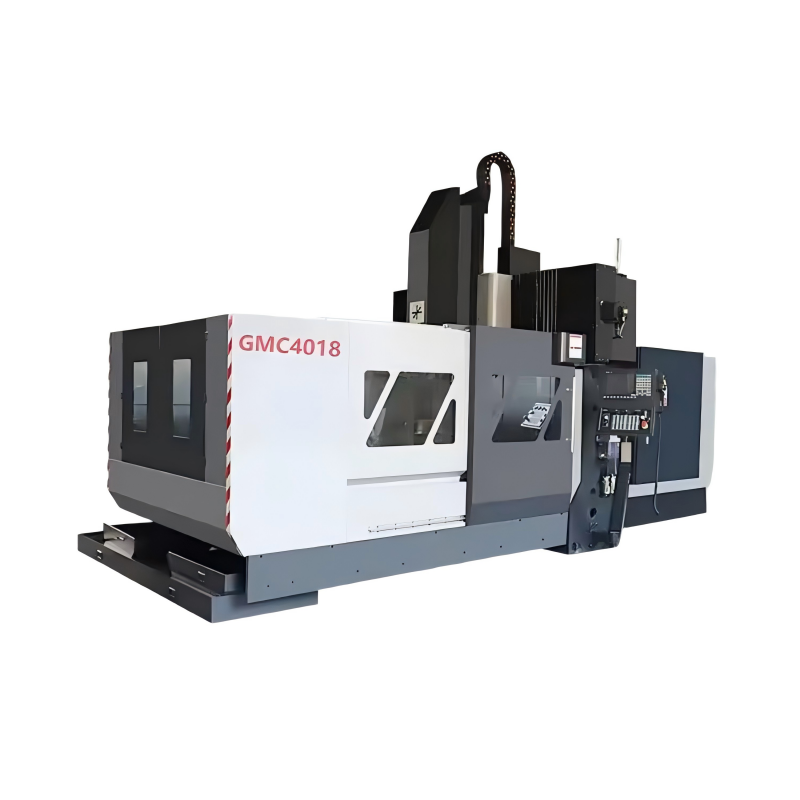
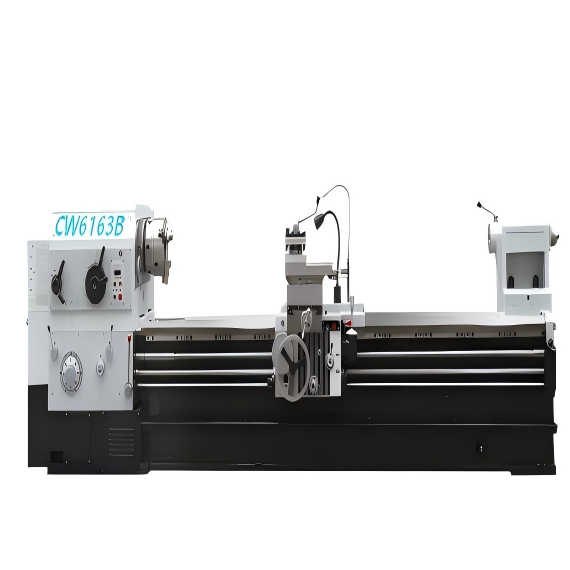
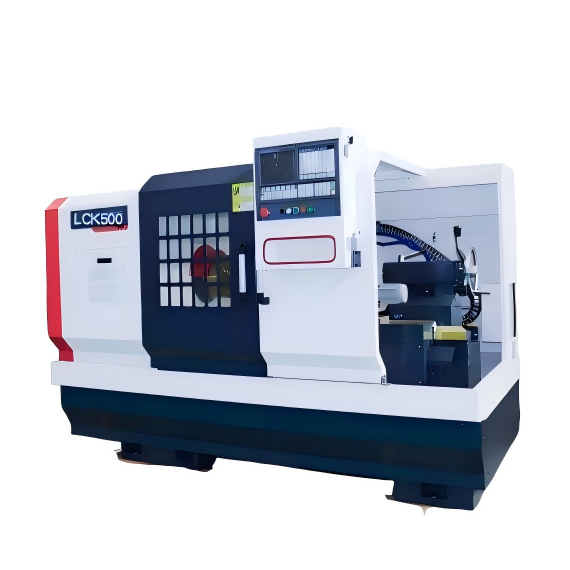
A 2-Axis CNC Lathe is a vital piece of equipment in many manufacturing processes, providing precision and efficiency that traditional lathes cannot match. However, to ensure optimal performance and longevity, regular maintenance is essential. This report outlines several key maintenance tips for your 2-Axis CNC Lathe, focusing on the importance of regular cleaning, lubrication, and calibration, as well as the need for routine inspection and software updates.
Maintaining cleanliness is one of the most fundamental yet often overlooked aspects of 2-Axis CNC Lathe care. Debris, chips, and other contaminants can accumulate over time, leading to reduced accuracy, increased wear, and potential damage to the machine. Regular cleaning should be performed at least once per week, or more frequently if the lathe is used heavily. Start by removing any visible debris from the work area and around the spindle. Use a soft brush or compressed air to clean hard-to-reach areas, being careful not to force debris into critical components. Additionally, inspect and clean the coolant system, as clogged filters and contaminated coolant can lead to overheating and tool damage. By keeping the lathe clean, you will not only extend its lifespan but also improve the quality of the parts it produces.
Proper lubrication is crucial for the smooth operation of a 2-Axis CNC Lathe. Lubricants reduce friction between moving parts, preventing wear and ensuring consistent performance. Follow the manufacturer's guidelines for the type and frequency of lubrication. Typically, this involves applying oil or grease to the ways, slides, and other moving parts. Pay special attention to the spindle, as it is a critical component that must operate with minimal friction. Over-lubrication can be just as detrimental as under-lubrication, so use the recommended amount. Regularly check the lubricant levels and condition, replacing old or contaminated lubricants as needed. Proper lubrication will help maintain the lathe’s precision and reduce the risk of unexpected downtime.
Calibration is essential for maintaining the high precision that a 2-Axis CNC Lathe is known for. Over time, various factors such as wear, temperature changes, and mechanical stress can cause the lathe to lose its accuracy. Regular calibration ensures that the machine continues to produce parts within the required tolerances. Calibration should be performed at least every six months, or more frequently if the lathe is subjected to heavy use or environmental changes. Key areas to calibrate include the spindle, tool turret, and axis alignment. Use precision measuring tools such as dial indicators and laser alignment systems to check and adjust these components. Additionally, verify the accuracy of the control system by running test programs and comparing the results to known standards. Consistent calibration will help you achieve and maintain the high level of precision that your 2-Axis CNC Lathe is capable of.
Routine inspections are an integral part of 2-Axis CNC Lathe maintenance. By regularly checking the machine, you can identify and address potential issues before they become major problems. A comprehensive inspection should include visual checks for wear, damage, and loose components, as well as functional tests to ensure all systems are operating correctly. Pay close attention to the spindle, tool holders, and cutting tools, as these are the most critical components for machining. Check for signs of wear, such as excessive noise, vibration, or unusual marks on the workpiece. Additionally, inspect the electrical and hydraulic systems for any signs of malfunction, such as leaks, loose connections, or erratic behavior. Document your findings and take corrective action as needed. Regular inspections will help you catch and fix issues early, reducing the likelihood of costly repairs and downtime.
The control software of a 2-Axis CNC Lathe is just as important as its mechanical components. Software updates often include bug fixes, performance improvements, and new features that can enhance the lathe’s capabilities. Stay informed about the latest software releases from the manufacturer and apply updates as soon as they become available. Before updating, make sure to back up any existing programs and settings to prevent data loss. Follow the manufacturer’s instructions carefully to ensure a smooth update process. Additionally, consider implementing security measures such as firewalls and antivirus software to protect the control system from cyber threats. Keeping your lathe’s software up to date will not only improve its performance but also ensure that it remains secure and reliable.
In conclusion, maintaining a 2-Axis CNC Lathe requires a combination of regular cleaning, proper lubrication, precise calibration, routine inspections, and timely software updates. By following these essential maintenance tips, you can ensure that your lathe operates at peak performance, producing high-quality parts consistently and reliably. Investing time and effort into maintenance will pay off in the long run, extending the life of your machine and minimizing downtime. Remember, a well-maintained 2-Axis CNC Lathe is a valuable asset to any manufacturing operation.
 23/06/2026
In today's manufacturing landscape, the choice of a 2-Axis CNC Lathe is pivotal for achieving precision and efficiency in machining operations. This report delves into the critical factors to consider when selecting the right 2-Axis CNC Lathe for your wor
Read More23/06/2026The advent of Computer Numerical Control (CNC) technology has revolutionized the metalworking industry, offering unprecedented precision and efficiency. Among the various types of CNC machines, the 2-Axis CNC Lathe stands out as a versatile tool that sign
Read More22/06/2026Understanding the Basics of 2-Axis CNC Lathe The 2-axis CNC lathe is a fundamental machine in the world of manufacturing, especially suited for small shops looking to increase efficiency while maintaining cost-effectiveness. These machines operate along t
Read More22/06/2026In the realm of precision machining, the 2-Axis CNC Lathe plays a pivotal role in achieving high-precision and efficient manufacturing. This technical report delves into the various aspects of how a 2-Axis CNC Lathe contributes to the field, highlighting
Read More22/06/2026The evolution of manufacturing technologies has been marked by continuous innovation, with the 2-Axis CNC Lathe standing out as a pivotal tool in this transformation. This report delves into the versatility and critical applications of the 2-Axis CNC Lath
Read MoreOur professional sales team is always ready to assist you.