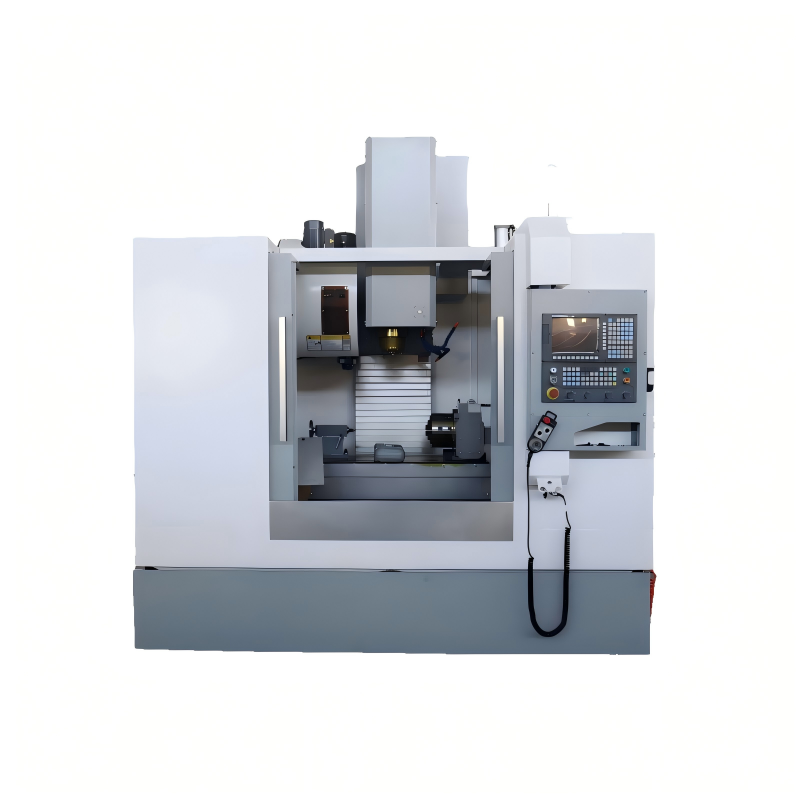
In the field of manufacturing, Vertical Machining Centers (VMCs) play a critical role in producing precision components. One of the key considerations when selecting a VMC is the type of way system it employs, with two prominent options being Box Way and Hard Way systems. This report aims to compare the cost-effectiveness of these two systems, providing insights into their performance, maintenance, and overall lifecycle costs.
Initial Investment and Setup Costs
The initial investment for a VMC equipped with a Box Way system is generally higher compared to one with a Hard Way system. Box Ways are known for their robust construction, featuring enclosed guideways that provide excellent rigidity and damping characteristics. These features contribute to the higher upfront cost but also ensure superior accuracy and repeatability. On the other hand, Hard Ways, which are essentially hardened and ground steel ways, offer a more economical alternative. They are simpler in design and can be produced at a lower cost, making them an attractive option for businesses looking to minimize their initial expenditure.
However, the setup process for both systems is relatively similar, with neither having a significant advantage over the other. The primary difference lies in the materials and engineering involved, which ultimately affects the initial price point.
Maintenance and Operational Costs
When it comes to maintenance, Box Ways require more frequent attention compared to Hard Ways. The enclosed nature of Box Ways means they are more susceptible to wear and tear from debris and contaminants, necessitating regular cleaning and lubrication. Additionally, the complex design of Box Ways can lead to higher maintenance costs, as specialized tools and expertise may be required for servicing. In contrast, Hard Ways are more straightforward and easier to maintain. Their open design allows for better visibility and access, making it simpler to clean and inspect the guideways. This results in lower ongoing maintenance costs and less downtime for the machine.
Operational costs also differ between the two systems. Box Ways, due to their enhanced rigidity and damping, can handle higher cutting forces and heavier loads, potentially leading to faster production rates and increased productivity. However, this benefit must be weighed against the higher energy consumption and maintenance requirements. Hard Ways, while not as rigid, are more energy-efficient and can still deliver satisfactory performance for many applications. The choice between the two often depends on the specific requirements of the manufacturing process and the trade-offs between operational efficiency and maintenance costs.
Long-Term Durability and Resale Value
The durability of a VMC is a crucial factor in determining its long-term cost-effectiveness. Box Ways, with their robust design, are known for their longevity. They can withstand heavy use and high cutting forces, making them a reliable choice for demanding applications. The durability of Box Ways translates into a longer machine lifespan, reducing the need for frequent replacements and contributing to lower total cost of ownership over time.
Hard Ways, while durable, may not match the longevity of Box Ways. They are more prone to wear, especially under high-load conditions, and may require more frequent repairs or replacement. This can lead to higher long-term costs, particularly in environments where the machine is subjected to continuous, heavy use. Additionally, the resale value of a VMC with Box Ways is typically higher than one with Hard Ways. The reputation for reliability and durability makes machines with Box Ways more attractive to potential buyers, potentially offsetting some of the initial investment through a higher resale price.
Environmental and Sustainability Considerations
From an environmental perspective, the choice between Box Way and Hard Way systems can have implications for sustainability. Box Ways, with their enclosed design, require more lubricants and cleaning agents, which can have environmental impacts if not managed properly. The disposal of used lubricants and the energy consumption associated with maintaining the system are factors to consider. However, the extended lifespan and reduced need for frequent replacements can mitigate some of these environmental concerns.
Hard Ways, on the other hand, are more environmentally friendly in terms of maintenance. They require fewer lubricants and cleaning agents, and their simpler design means they consume less energy during operation. This can result in a lower carbon footprint and reduced environmental impact. For companies committed to sustainability, the environmental benefits of Hard Ways may be a significant factor in their decision-making process.
Conclusion
When comparing the cost-effectiveness of Box Way and Hard Way systems in VMCs, several factors must be considered. The initial investment, maintenance and operational costs, long-term durability, and environmental impact all play a role in determining the overall value. Box Ways offer superior performance and durability, making them a suitable choice for high-demand applications, but they come with higher initial and maintenance costs. Hard Ways, while more economical and easier to maintain, may not match the performance and longevity of Box Ways. The final decision should be based on the specific needs and priorities of the manufacturing process, balancing performance, cost, and sustainability.

 26/06/2026



