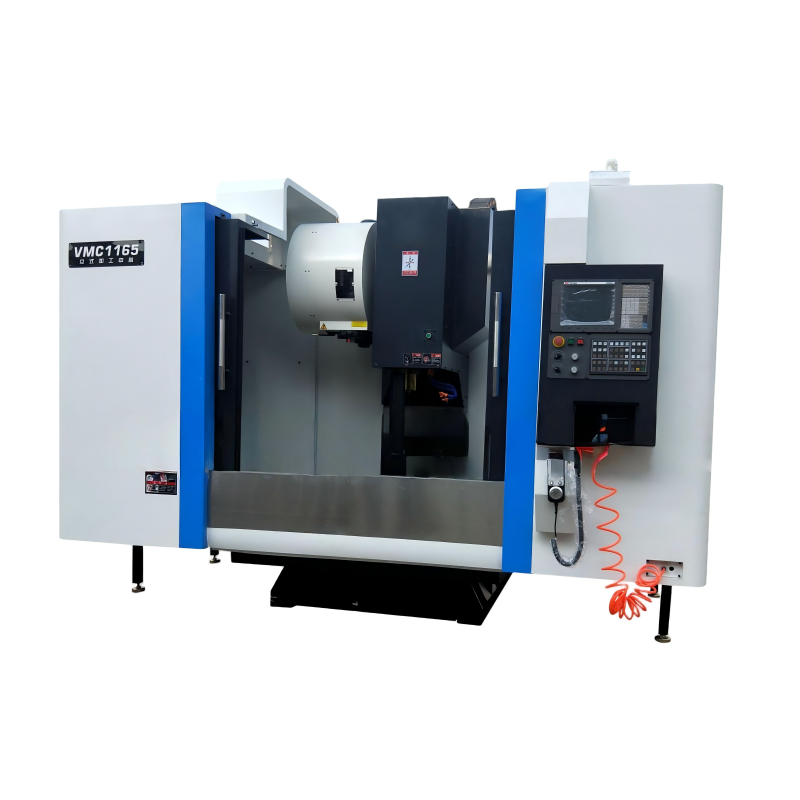
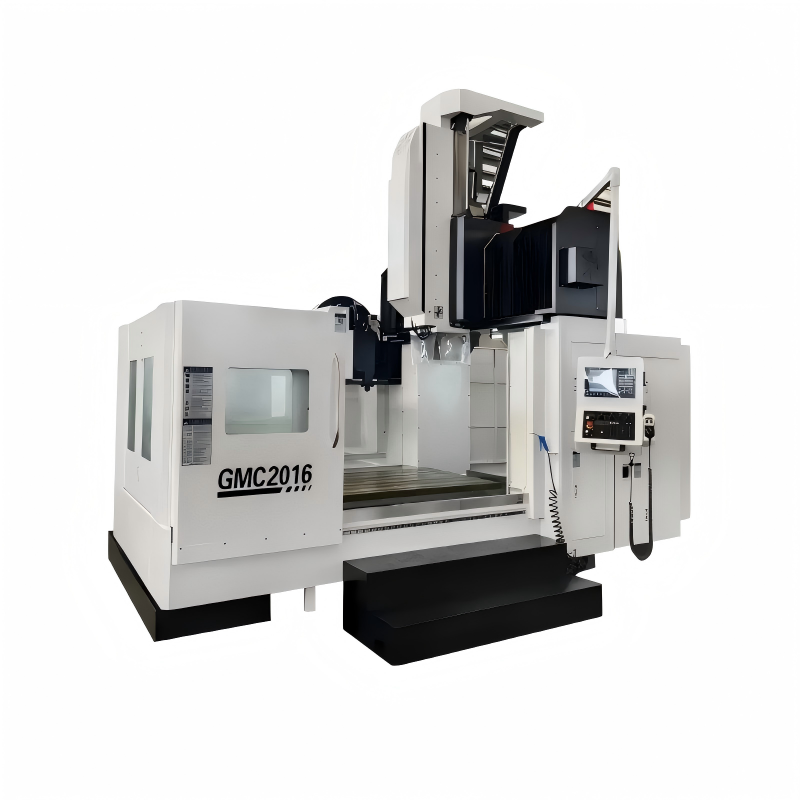
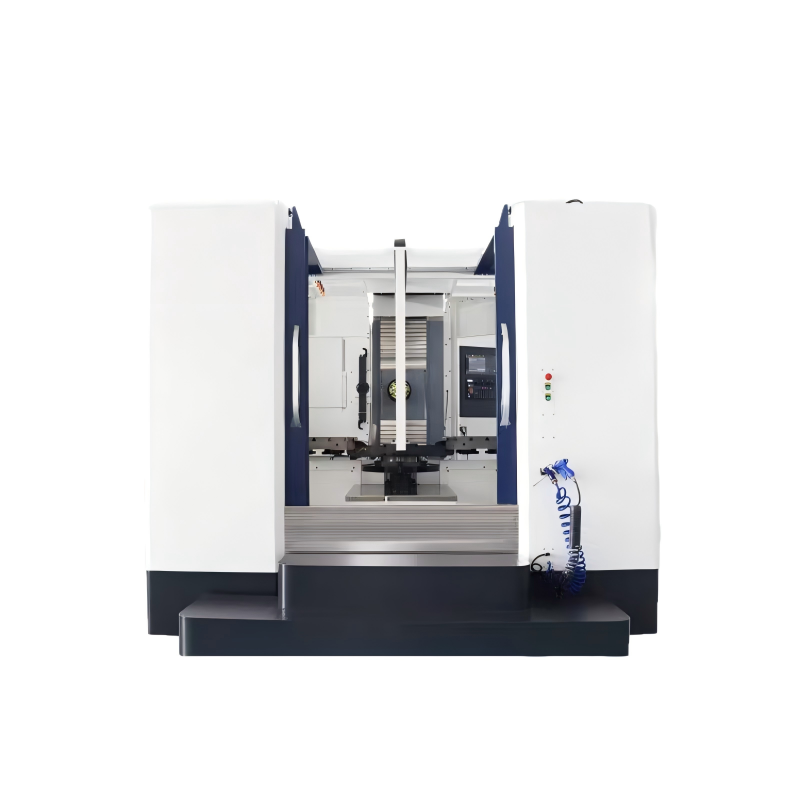
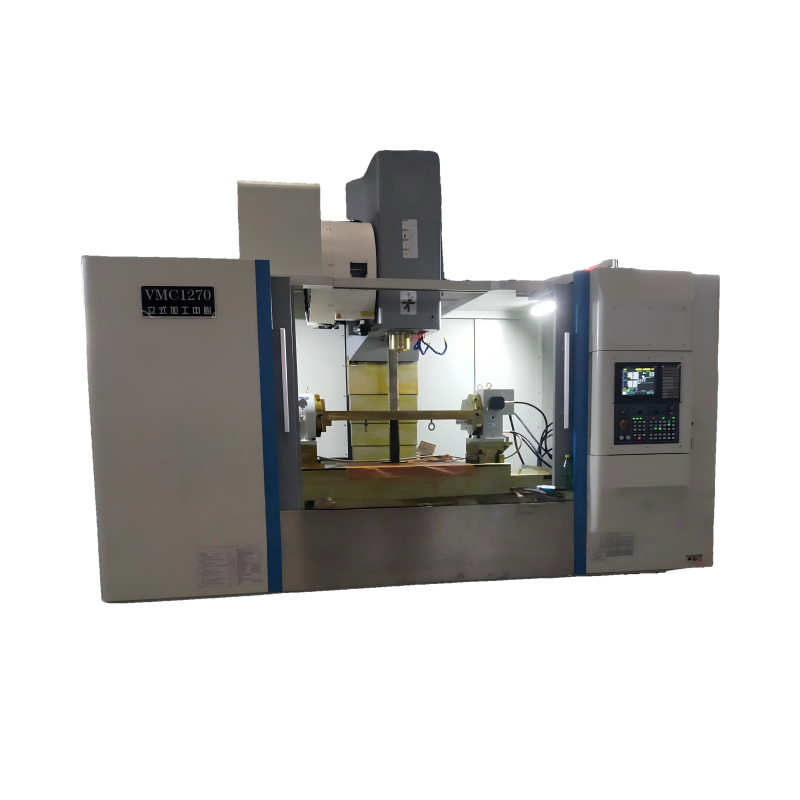
In the realm of modern manufacturing, the Flat Bed Lathe stands out as a critical tool for achieving high levels of precision and speed. This technical report aims to explore how a high-quality flat bed lathe can enhance these two key aspects, providing insights into its operational benefits, technological advancements, and practical applications.
The design and construction of a Flat Bed Lathe have seen significant improvements over the years, contributing to both its precision and speed. Modern lathes are built with robust materials such as cast iron, which provides excellent vibration damping and stability. The use of advanced computer-aided design (CAD) software allows for the creation of more precise and efficient machine designs. Additionally, the incorporation of linear guideways and ball screws ensures smooth and accurate movement, reducing friction and wear. These enhancements not only improve the overall performance of the lathe but also extend its lifespan, making it a cost-effective investment for manufacturers.
One of the most significant advancements in the field of Flat Bed Lathe technology is the integration of advanced control systems. CNC (Computer Numerical Control) lathes are now equipped with sophisticated controllers that can handle complex machining tasks with ease. These controllers use advanced algorithms to optimize cutting paths, reduce cycle times, and minimize errors. Real-time monitoring and feedback systems further enhance the precision of the lathe by allowing operators to make adjustments on the fly. The ability to program and store multiple operations also increases efficiency, as the lathe can switch between different tasks seamlessly without the need for manual reconfiguration.
The quality and versatility of the tooling used in a Flat Bed Lathe play a crucial role in its performance. High-quality lathes come with a wide range of tooling options, including high-speed steel (HSS) and carbide tools, which offer superior durability and cutting efficiency. The use of modular tooling systems allows for quick and easy tool changes, reducing downtime and increasing productivity. Furthermore, advancements in cutting techniques, such as high-speed machining and multi-axis operations, enable the lathe to handle a broader range of materials and complex geometries. This versatility makes the flat bed lathe an indispensable tool in various industries, from automotive and aerospace to medical and electronics.
Safety and ergonomics are essential considerations in the design of a Flat Bed Lathe. Modern lathes are equipped with various safety features, such as emergency stop buttons, safety guards, and interlocks, to protect operators from potential hazards. Additionally, ergonomic design elements, such as adjustable workbenches, intuitive control panels, and comfortable operator stations, enhance the user experience and reduce the risk of operator fatigue. These features not only contribute to a safer working environment but also improve the overall efficiency and productivity of the lathe.
In conclusion, a high-quality Flat Bed Lathe is a powerful tool for enhancing precision and speed in manufacturing. Through advancements in design and construction, integration of advanced control systems, enhanced tooling and cutting capabilities, and improved safety and ergonomics, these lathes offer a range of benefits that can significantly impact production processes. As technology continues to evolve, the Flat Bed Lathe will remain a cornerstone of modern manufacturing, driving innovation and efficiency in the industry.
 24/06/2026
The Flat Bed Lathe is a versatile machine tool used in the manufacturing industry for turning, facing, and other operations. This report delves into advanced techniques that can significantly enhance the efficiency and precision of using a flat bed lathe.
Read More24/06/2026Flat Bed Lathe, a versatile machine tool, plays an essential role in the manufacturing industry. This technical report aims to provide a comprehensive understanding of the mechanics behind a Flat Bed Lathe operation. By delving into the key components, op
Read More24/06/2026Introduction to Flat Bed Lathe TechnologyThe evolution of flat bed lathe technology over the decades is a testament to the continuous advancements in manufacturing and engineering. A flat bed lathe is a fundamental machine tool used for shaping metal, woo
Read More23/06/2026The lathe is one of the most versatile and fundamental tools in machining, used for shaping metal, wood, or other materials. Among the various types of lathes, the flat bed lathe stands out due to its simplicity and effectiveness in a wide range of applic
Read More23/06/2026When it comes to equipping your workshop with the right tools, a Flat Bed Lathe is an indispensable piece of machinery. This versatile tool is used for shaping and cutting various materials, such as metals, plastics, and wood, into precise cylindrical or
Read More23/06/2026In the world of manufacturing, efficiency is key to staying competitive. One tool that has proven its worth in enhancing productivity is the flat bed lathe. This versatile machine is used across various industries for turning, facing, and threading operat
Read More23/06/2026The evolution of manufacturing processes has seen a significant shift towards automation and precision, with the flat bed lathe playing an integral role in this transformation. This versatile machine, often considered one of the cornerstones of modern mac
Read MoreOur professional sales team is always ready to assist you.