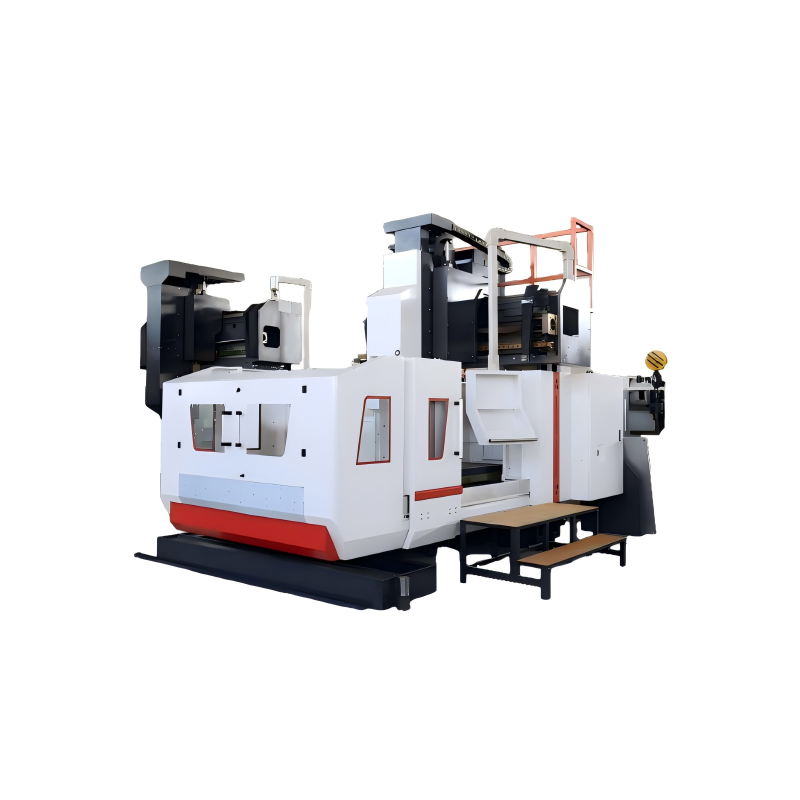
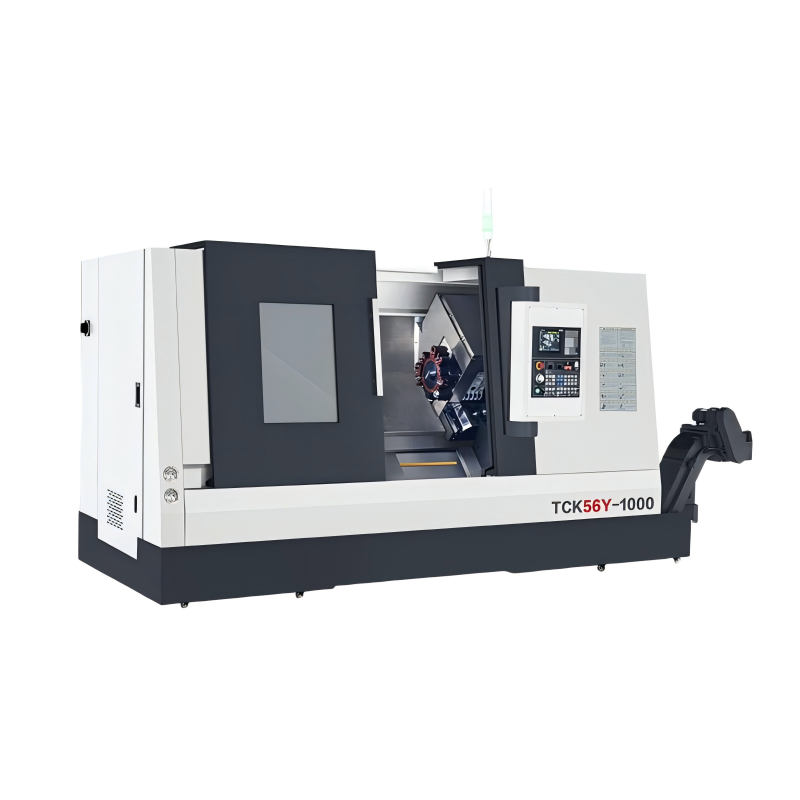
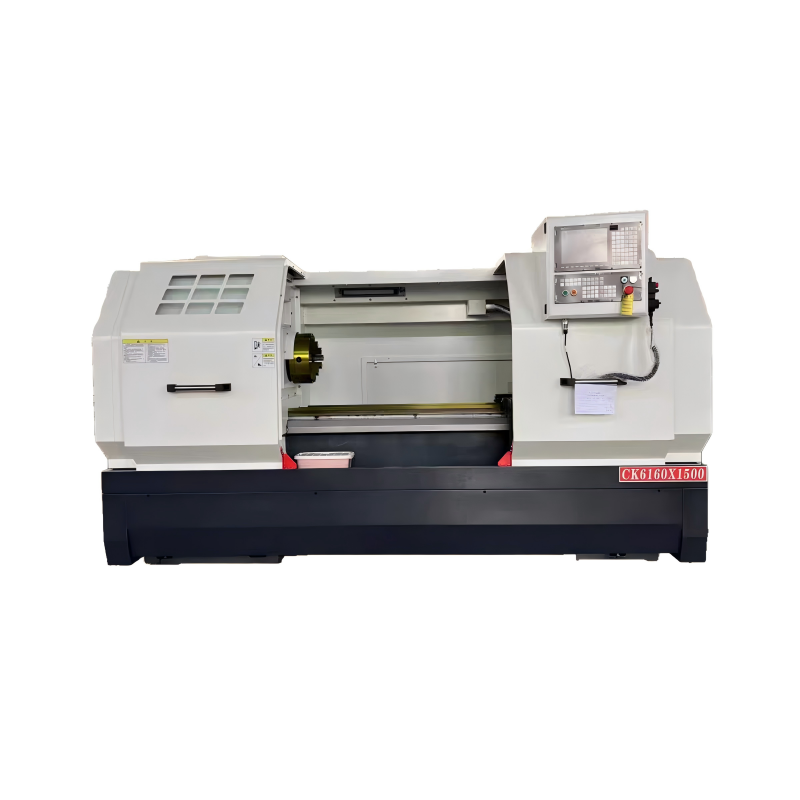
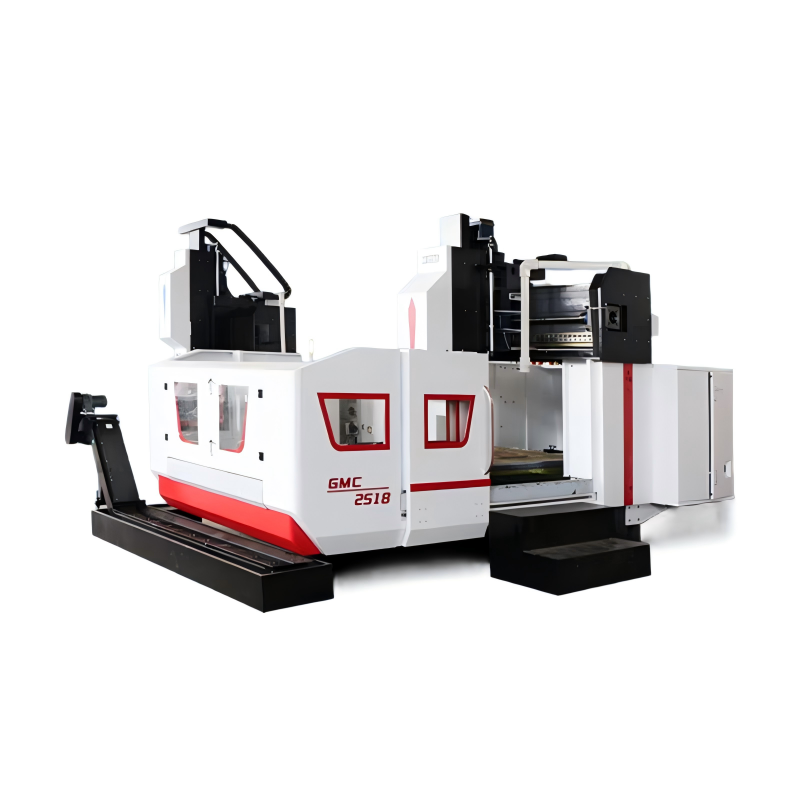
The evolution of flat bed lathe technology over the decades is a testament to the continuous advancements in manufacturing and engineering. A flat bed lathe is a fundamental machine tool used for shaping metal, wood, or other materials by rotating them against a cutting tool. The development of this technology has been driven by the need for higher precision, efficiency, and versatility in various industrial applications. This report will explore the key milestones and innovations that have shaped the modern flat bed lathe.
The roots of the flat bed lathe can be traced back to ancient times, with early versions appearing in Egypt and China. However, it was during the Industrial Revolution in the 18th and 19th centuries that significant advancements were made. The introduction of steam power and later, electric motors, revolutionized the way lathes operated. These early innovations laid the foundation for the modern flat bed lathe, which became a staple in workshops and factories around the world.
One of the most notable early innovators was Henry Maudslay, who in the early 19th century, developed the first screw-cutting lathe. This invention allowed for the precise machining of screws and other threaded parts, which was crucial for the development of interchangeable parts in manufacturing. Maudslay's contributions set the stage for the standardization and mass production that would become hallmarks of the industrial age.
The 20th century saw a rapid acceleration in the technological development of the flat bed lathe. The advent of numerical control (NC) in the 1950s marked a significant turning point. NC systems allowed for the automation of the lathe, enabling more complex and precise operations. This was followed by the introduction of computer numerical control (CNC) in the 1960s, which further enhanced the capabilities of the flat bed lathe. CNC Lathes could be programmed to perform a series of operations with high accuracy and repeatability, significantly reducing the time and labor required for machining tasks.
Another major advancement was the integration of digital technologies. The use of microprocessors and advanced software in the 1980s and 1990s enabled real-time monitoring and control of the machining process. This led to the development of features such as adaptive control, which automatically adjusts the cutting parameters based on the material and conditions, ensuring optimal performance and minimizing wear and tear on the machine.
In recent years, the flat bed lathe has continued to evolve, incorporating the latest technologies to meet the demands of modern manufacturing. One of the most significant trends is the integration of Industry 4.0 principles, which emphasize connectivity, data exchange, and automation. Smart lathes equipped with sensors and IoT (Internet of Things) capabilities can now collect and analyze data in real-time, providing valuable insights into the machining process. This data can be used to optimize performance, predict maintenance needs, and improve overall efficiency.
Additionally, the use of advanced materials and coatings has improved the durability and performance of the flat bed lathe. High-strength alloys and ceramic coatings reduce friction and wear, extending the life of the machine and its components. Moreover, the development of hybrid lathes, which combine the functions of a lathe and a milling machine, has expanded the range of operations that can be performed in a single setup, further enhancing productivity and flexibility.
Looking ahead, the future of the flat bed lathe is likely to be shaped by ongoing advancements in artificial intelligence (AI) and robotics. AI algorithms can be used to optimize machining strategies, while robotic arms can automate the loading and unloading of workpieces, reducing downtime and increasing throughput. These developments promise to make the flat bed lathe even more versatile and efficient, ensuring its continued relevance in the manufacturing industry.
The evolution of flat bed lathe technology over the decades reflects the broader progress in manufacturing and engineering. From the early innovations of the Industrial Revolution to the digital transformations of the 21st century, the flat bed lathe has consistently adapted to meet the changing needs of industry. As we move forward, the integration of advanced technologies such as AI, IoT, and robotics will continue to drive the development of the flat bed lathe, ensuring its place as a vital tool in the modern manufacturing landscape.
 24/06/2026
The Flat Bed Lathe is a versatile machine tool used in the manufacturing industry for turning, facing, and other operations. This report delves into advanced techniques that can significantly enhance the efficiency and precision of using a flat bed lathe.
Read More24/06/2026Flat Bed Lathe, a versatile machine tool, plays an essential role in the manufacturing industry. This technical report aims to provide a comprehensive understanding of the mechanics behind a Flat Bed Lathe operation. By delving into the key components, op
Read More24/06/2026In the realm of modern manufacturing, the Flat Bed Lathe stands out as a critical tool for achieving high levels of precision and speed. This technical report aims to explore how a high-quality flat bed lathe can enhance these two key aspects, providing i
Read More23/06/2026The lathe is one of the most versatile and fundamental tools in machining, used for shaping metal, wood, or other materials. Among the various types of lathes, the flat bed lathe stands out due to its simplicity and effectiveness in a wide range of applic
Read More23/06/2026When it comes to equipping your workshop with the right tools, a Flat Bed Lathe is an indispensable piece of machinery. This versatile tool is used for shaping and cutting various materials, such as metals, plastics, and wood, into precise cylindrical or
Read More23/06/2026In the world of manufacturing, efficiency is key to staying competitive. One tool that has proven its worth in enhancing productivity is the flat bed lathe. This versatile machine is used across various industries for turning, facing, and threading operat
Read More23/06/2026The evolution of manufacturing processes has seen a significant shift towards automation and precision, with the flat bed lathe playing an integral role in this transformation. This versatile machine, often considered one of the cornerstones of modern mac
Read MoreOur professional sales team is always ready to assist you.