Introduction to Advanced Turning and Milling Machines
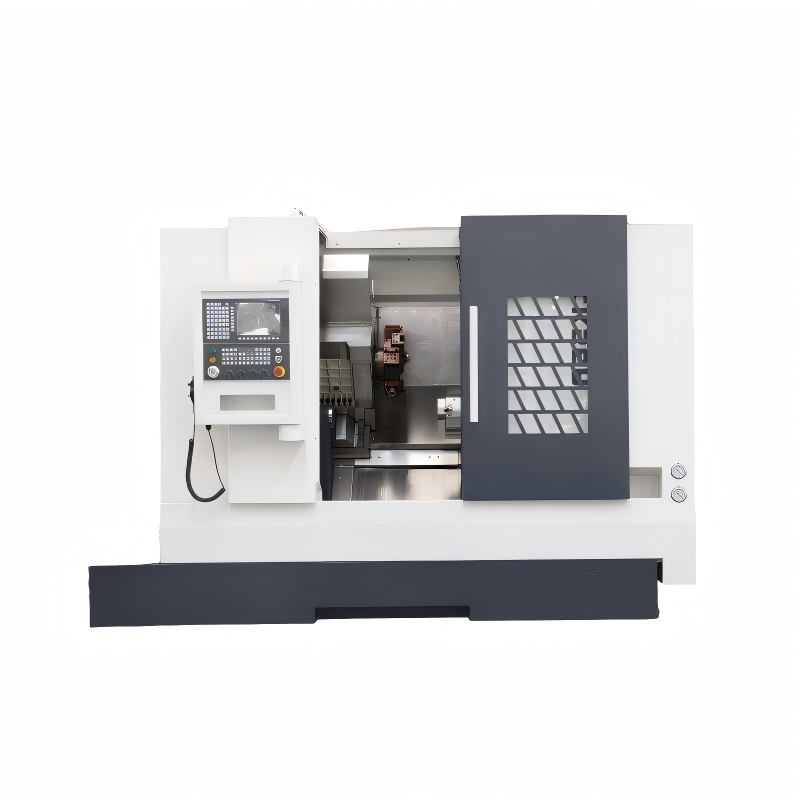
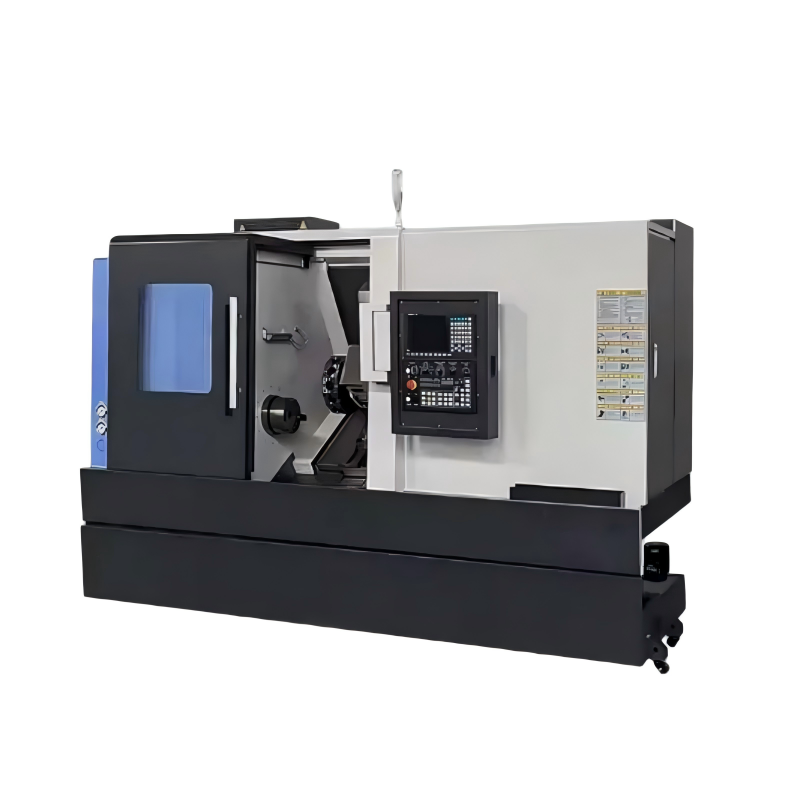
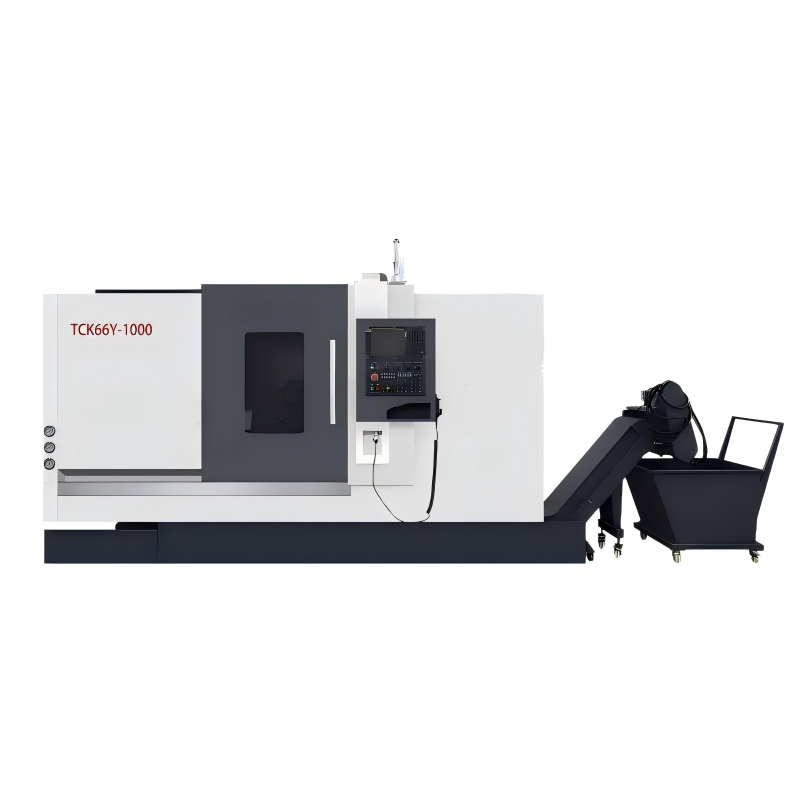
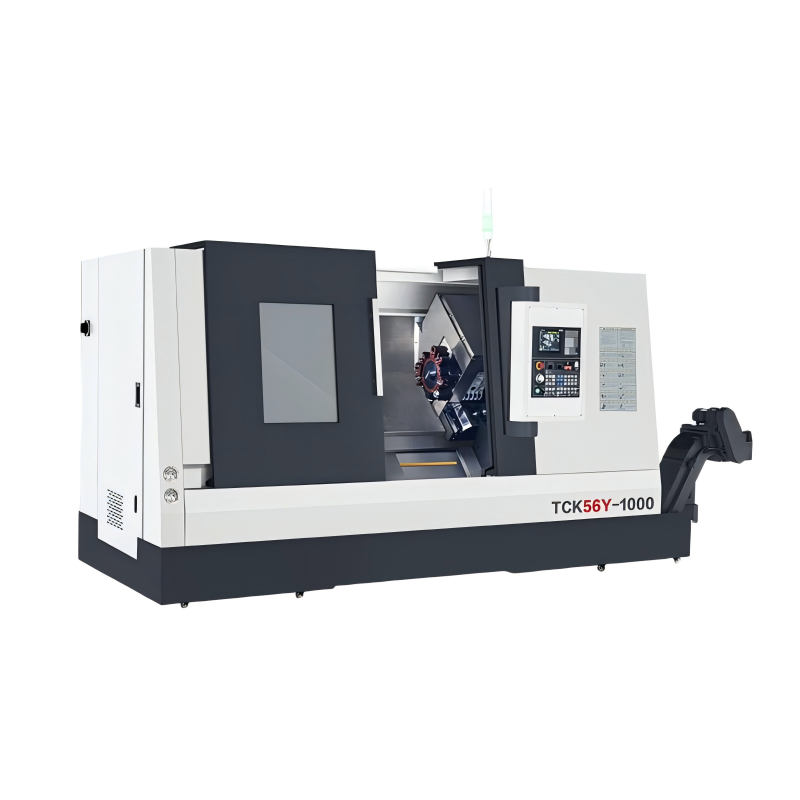
In the realm of modern manufacturing, the integration of advanced turning and milling machines has become a pivotal element in enhancing productivity. These sophisticated pieces of equipment are designed to perform both turning and milling operations, providing manufacturers with a versatile tool that can handle a wide range of tasks. This article delves into how these machines contribute to increased efficiency and quality in production processes.
Optimizing Production Processes with Multi-Functionality
Integration of Multiple Operations
One of the most significant advantages of using an advanced turning and milling machine is its ability to integrate multiple machining operations into a single setup. This reduces the need for part transfers between different machines, thereby minimizing handling time and potential errors. By combining turning, milling, drilling, and other operations, these machines streamline the production process, leading to faster cycle times and higher throughput.
Reduced Setup Time and Increased Flexibility
Advanced turning and milling machines are equipped with quick-change tooling systems that allow for rapid tool changes, significantly reducing setup time. This flexibility enables manufacturers to switch between different jobs more efficiently, making it easier to adapt to changing production demands. The ability to quickly reconfigure the machine for new tasks also means that downtime is minimized, further boosting overall productivity.
Enhanced Precision and Quality Control
The precision of advanced turning and milling machines is unparalleled. These machines are designed with high-precision spindles and linear guides, ensuring accurate and consistent results. Additionally, they often come with built-in quality control features such as in-process measurement and automatic compensation, which help to maintain tight tolerances and reduce the likelihood of defects. This level of precision and quality control is crucial for meeting the stringent requirements of modern manufacturing standards.
Leveraging Automation for Improved Efficiency
Automated Tool Changers and Workpiece Handling
Automation is a key feature of advanced turning and milling machines. These machines are often equipped with automated tool changers and workpiece handling systems, which eliminate the need for manual intervention during the machining process. This not only speeds up the production process but also reduces the risk of human error, leading to more consistent and reliable results.
Programmable Logic Controllers (PLCs) and CNC Systems
Advanced turning and milling machines are typically controlled by programmable logic controllers (PLCs) and computer numerical control (CNC) systems. These systems allow for precise control over the machine's movements and operations, enabling complex and intricate machining tasks to be performed with ease. The use of PLCs and CNC systems also facilitates the integration of the machine with other manufacturing systems, such as robotic arms and conveyors, creating a seamless and highly efficient production line.
Data-Driven Decision Making and Predictive Maintenance
Modern turning and milling machines are increasingly being equipped with sensors and data collection systems that provide real-time monitoring of the machine's performance. This data can be used to make informed decisions about production processes, identify potential issues before they become critical, and schedule maintenance activities more effectively. Predictive maintenance, enabled by data analytics, helps to minimize unexpected downtime and extend the lifespan of the machine, ultimately contributing to improved productivity and cost savings.
Future Trends and Innovations in Turning and Milling Technology
Advancements in Material Science and Cutting Tools
As material science continues to advance, the development of new and more durable cutting tools is becoming increasingly important. Advanced turning and milling machines are being designed to accommodate these new materials, which offer improved wear resistance and longer tool life. This not only enhances the machine's performance but also reduces the frequency of tool changes, further increasing productivity.
Integration of Artificial Intelligence and Machine Learning
The integration of artificial intelligence (AI) and machine learning (ML) into turning and milling machines is a growing trend. AI and ML algorithms can analyze large amounts of data to optimize machining parameters, predict tool wear, and even suggest design improvements. This level of intelligence allows for more efficient and adaptive machining processes, leading to higher quality and more consistent results.
Sustainability and Energy Efficiency
Sustainability is becoming a key consideration in the design and operation of advanced turning and milling machines. Manufacturers are increasingly focusing on energy-efficient designs and the use of renewable energy sources. Additionally, the implementation of waste reduction strategies, such as the recycling of coolant and chips, is becoming more common. These efforts not only contribute to a more sustainable manufacturing process but also help to reduce operating costs and improve the overall efficiency of the machine.
In conclusion, advanced turning and milling machines are transforming the landscape of modern manufacturing by offering multi-functionality, automation, and innovative technologies. By leveraging these capabilities, manufacturers can achieve higher productivity, enhanced precision, and greater flexibility, ultimately driving the industry forward.
 04/06/2026



